Bloomberg Podcasts
@bloombergpodcasts·503K subscribers·32.4K videos
Global Economy Faces Strain as Iran War Intensifies
Posted
March 10, 2026
Views
6,260
Likes
64
Comments
16
Engagement
1.28%
March 10, 2026
6,260
64
16
1.28%
Every word spoken in this episode is indexed. Type any phrase to jump straight to the moment it was said.
Type any word or phrase that may have been spoken. Click a result to seek the player to that exact moment.
Try a name, a topic, or a quoted line
See what was published immediately before and after this episode.
 5:13
5:13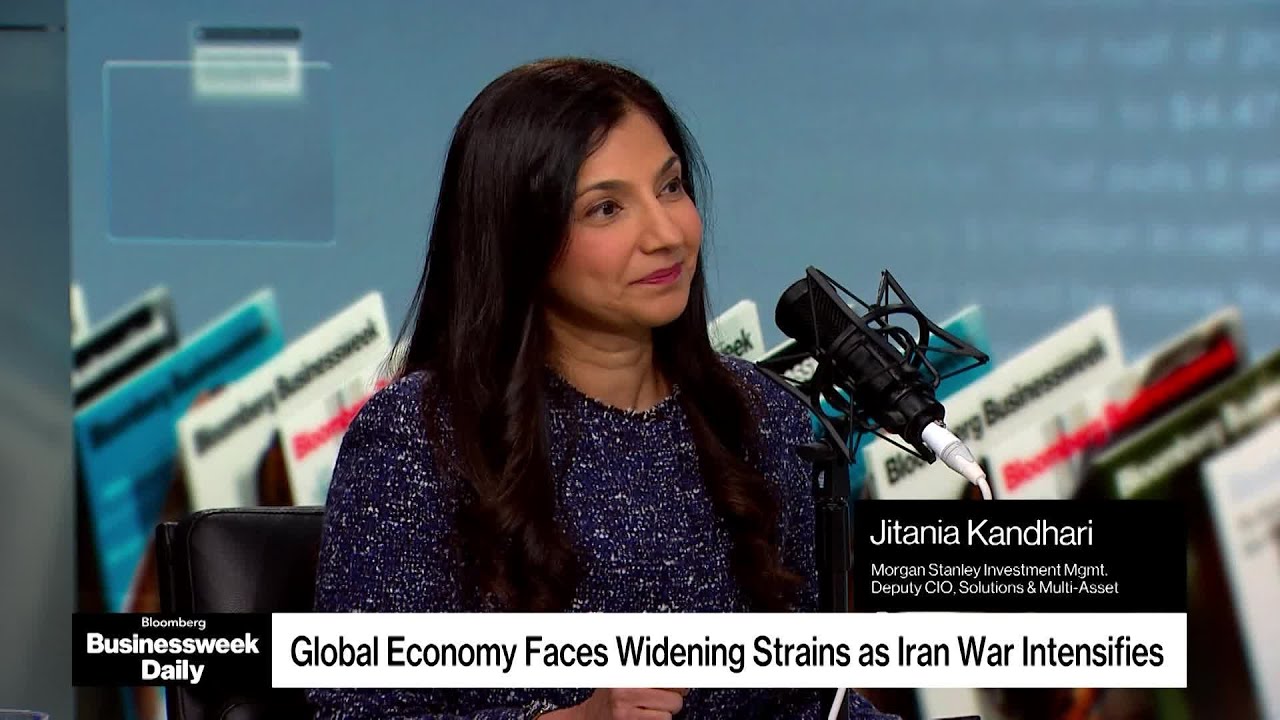 5:58Now Playing
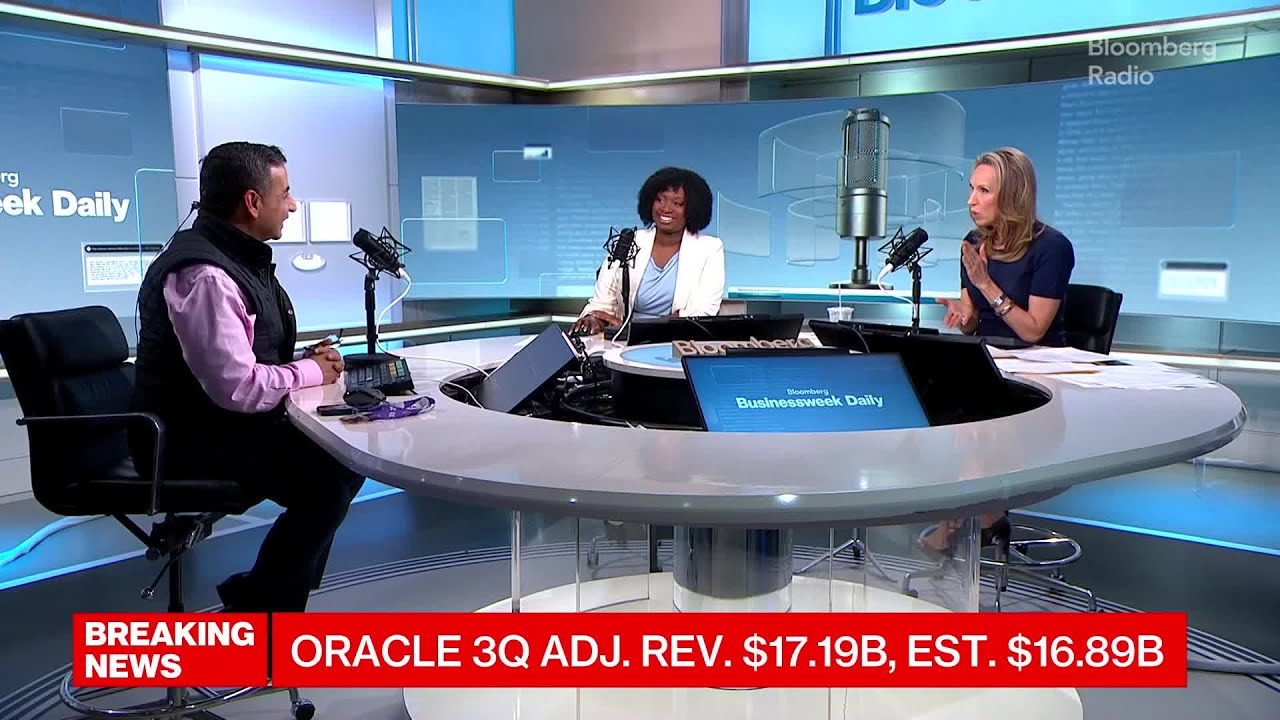
Jitania Kandhari, deputy CIO of solutions & multi-asset group at Morgan Stanley Investment Management, said that emerging markets are feeling the impact of the war in Iran and a chaotic oil market stronger than the United States. Kandhari said that some of this is due to the resource asymmetries between the US and China, as the US is more self-sufficient on energy, and the push and pull between east and west spheres of influence in the markets.
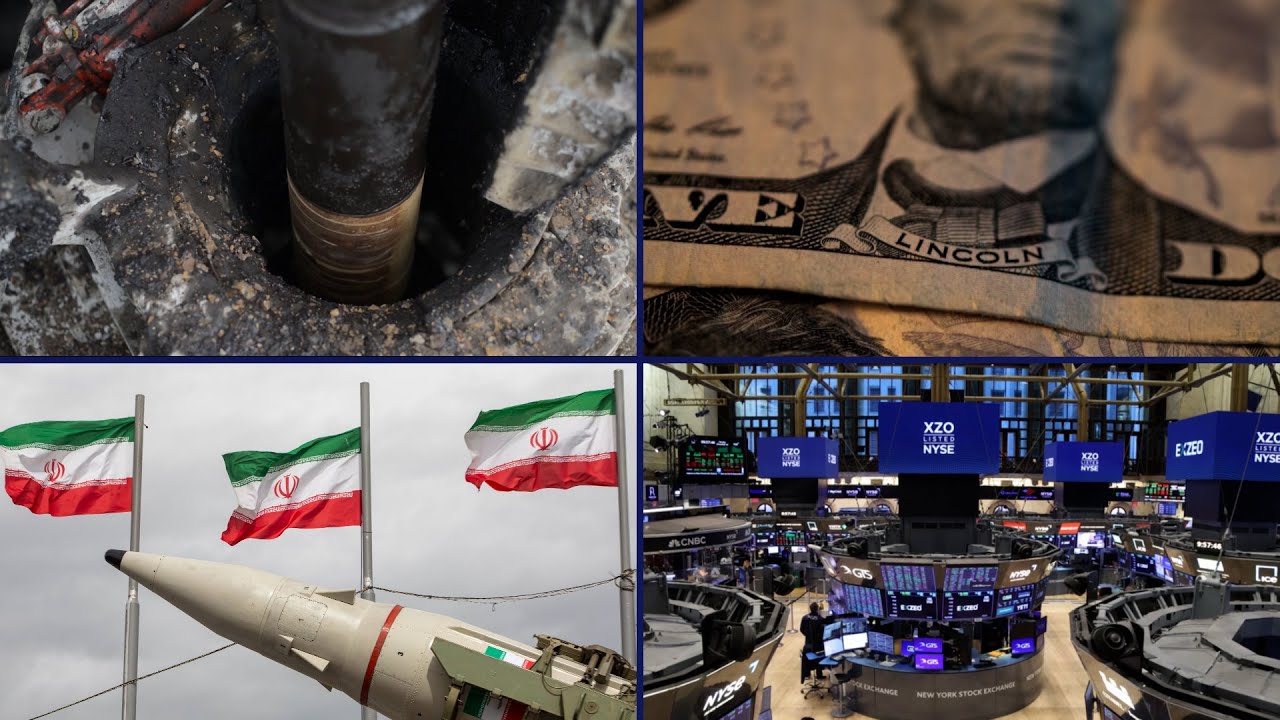
Policymakers around the world are readying measures to absorb surging energy and commodities prices triggered by the Middle East war that now threaten the global economy with its biggest shock since the pandemic.
What were cast as dire scenarios when the conflict began have quickly become reality, with Brent crude surging Monday to almost $120 a barrel from around $72 dollars before the war with Iran started.
While oil fell back below $100 after President Donald Trump indicated the war would be resolved “very soon” and said he plans to waive oil-related sanctions, it remains unclear how the conflict ends and how long it’ll take to unwind the energy supply problems. That’s injected fresh uncertainty into a global growth outlook facing a host of disruptors from AI and tariffs to rising debt.
Beyond oil, the effective closure of the Strait of Hormuz has led to a spike in prices for LNG, fertilizer, jet fuel and other key commodities, stoking fears of a new wave of global inflation, slower growth and supply snarls as factories are forced to slow production.
Before the US and Israel’s Feb. 28 attacks, the World Bank’s Global Supply Chain Stress Index was already hovering at its highest level since the pandemic.
After an initial wait-and-watch response, governments are now studying options that include releasing oil from strategic reserves, price caps to help households and subsidies and tax relief to cushion business and farmers.
--------
Watch Bloomberg Radio LIVE on YouTube
Weekdays 7am-6pm ET
Follow us on X
Subscribe to our Podcasts:
Bloomberg Daybreak
Bloomberg Surveillance
Bloomberg Intelligence
Balance of Power
Bloomberg Businessweek
Listen on Apple CarPlay and Android Auto with the Bloomberg Business app:
Apple CarPlay
Android Auto
Visit our YouTube channels:
Bloomberg Podcasts
Bloomberg Television
Bloomberg Originals
Sentinel Indexing in Progress
Metadata and chapters are available. Claim extraction for this episode is pending.
All video content is delivered via YouTube embedded players in accordance with the YouTube Terms of Service. Sentinel provides research tools that promote discovery and accountability across political media.