Bloomberg Podcasts
@bloombergpodcasts·503K subscribers·32.4K videos
Gopinath Warns World Economy to Face Slower Growth on Extended War Shocks
Posted
March 12, 2026
Views
11,474
Likes
85
Comments
6
Engagement
March 12, 2026
11,474
85
6
0.79%
Every word spoken in this episode is indexed. Type any phrase to jump straight to the moment it was said.
Type any word or phrase that may have been spoken. Click a result to seek the player to that exact moment.
Try a name, a topic, or a quoted line
See what was published immediately before and after this episode.
 11:59Now Playing
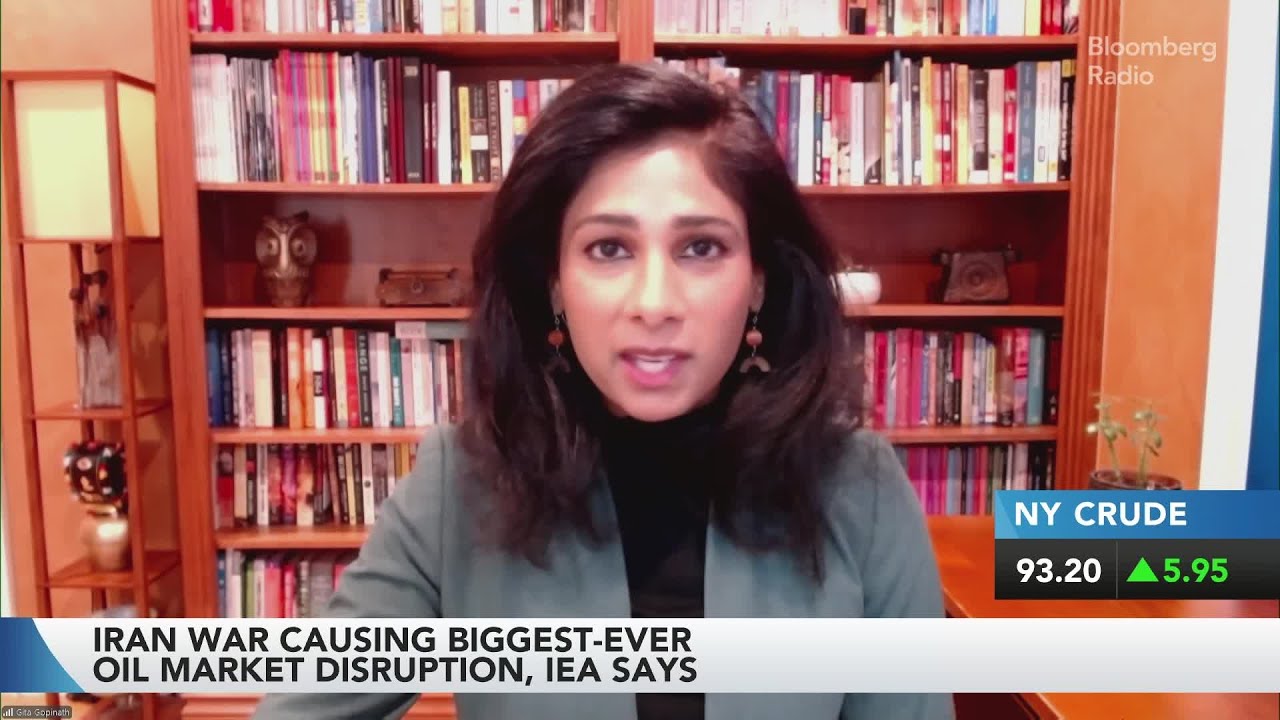
Gita Gopinath, Professor of Economics at Harvard University and Former IMF Deputy Managing Director, explains how a prolonged Iran conflict may slow global economic growth.
Governments around the world don’t have the fiscal capacity needed to respond to any economic downturn caused by an oil shock fueled by prolonged war in Iran, the IMF’s former top deputy and chief economist warned Tuesday.
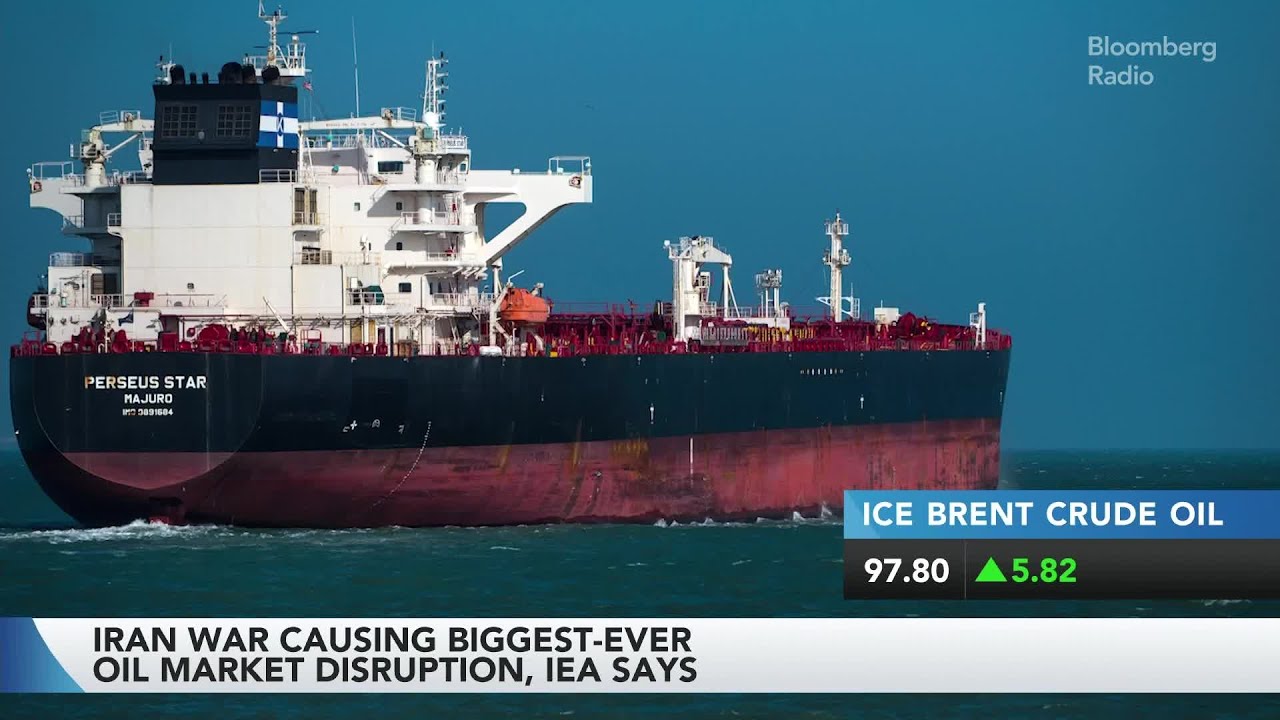
In an interview with Bloomberg News, Gita Gopinath said the world economy is already facing a slowdown in growth in 2026 due to higher oil prices in the wake of the conflict that erupted less than two weeks ago. Crude oil now looks more likely to average $75 a barrel this year than the $65 figure built into many forecasts, she said.
That 15% difference is enough to strip 0.1 to 0.2 percentage point off of global growth for 2026, and to add 0.5 percentage point to the world inflation rate, said Gopinath, now an economics professor at Harvard University.
The global economy is more fragile than many people assume, she also said — especially after in 2025 it proved resilient to shocks including President Donald Trump’s tariffs. Oil prices could easily climb higher, she said as the West Texas Intermediate benchmark was trading below $90 a barrel Tuesday.
“I don’t think people should look at everything and say ‘Wow, this is like a phenomenally resilient world economy,’” Gopinath said. “Several of the things that are holding the world economy up, including AI — which is true not just for the US but for any other country that’s involved in trading components in AI, like South Korea or Japan or Taiwan — this can change quickly.”
The International Monetary Fund in January slightly raised its outlook for global growth this year to 3.3% from the 3.1% predicted in October. An updated version of its World Economic Outlook with new forecasts is due to be published next month.
One key danger: The world “does not have the capacity” to respond to a major crisis, she said. “It has absolutely depleted policy space, compared to the start of the pandemic.”
Global debt ballooned to a record $348 trillion last year, and marked the fastest annual increase since the Covid crisis, as governments ramped up borrowing across advanced and developing economies, according to a report by Institute of International Finance. Developing nations face more than $9 trillion in refinancing needs this year, raising the stakes as global liquidity conditions fluctuate.
--------
Watch Bloomberg Radio LIVE on YouTube
Weekdays 7am-6pm ET
Follow us on X
Subscribe to our Podcasts:
Bloomberg Daybreak
Bloomberg Surveillance
Bloomberg Intelligence
Balance of Power
Bloomberg Businessweek
Listen on Apple CarPlay and Android Auto with the Bloomberg Business app:
Apple CarPlay
Android Auto
Visit our YouTube channels:
Bloomberg Podcasts
Bloomberg Television
Bloomberg Originals
Sentinel Indexing in Progress
Metadata and chapters are available. Claim extraction for this episode is pending.
All video content is delivered via YouTube embedded players in accordance with the YouTube Terms of Service. Sentinel provides research tools that promote discovery and accountability across political media.