Bloomberg Podcasts
@bloombergpodcasts·503K subscribers·32.4K videos
Brent Oil Trades Near $100 as Iran Vows to Keep Hormuz Closed
Posted
March 13, 2026
Views
2,497
Likes
32
Comments
15
Engagement
March 13, 2026
2,497
32
15
1.88%
Every word spoken in this episode is indexed. Type any phrase to jump straight to the moment it was said.
Type any word or phrase that may have been spoken. Click a result to seek the player to that exact moment.
Try a name, a topic, or a quoted line
See what was published immediately before and after this episode.
 3:20Now Playing
Rob Barnett, Bloomberg Intelligence Senior Energy and Commodities Analyst, discusses volatility in the oil market as Iran's vow to keep the Strait of Hormuz shut pushes prices higher.
Brent crude traded near $100 a barrel following one of the most volatile weeks ever for the oil market, with investors bracing for more upheaval as Iran pledged to keep the vital Strait of Hormuz effectively shut.
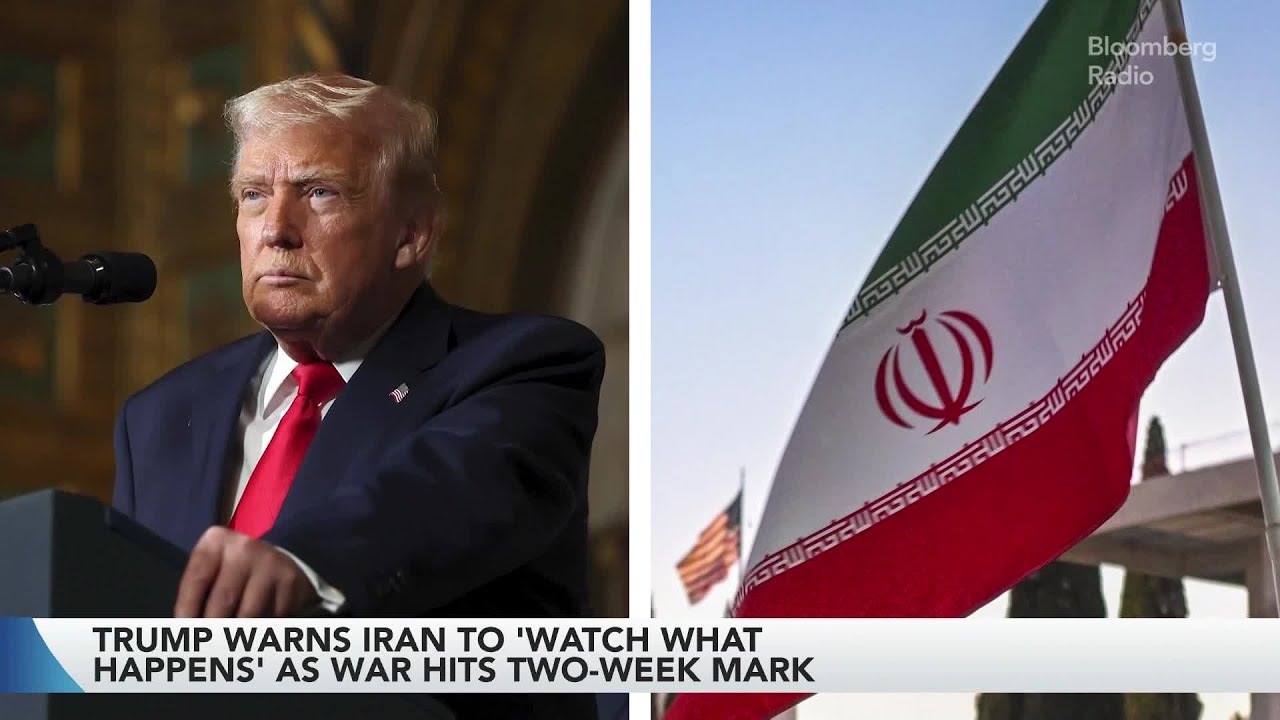
The global oil benchmark pared gains on Friday after jumping 9.2% during the previous session, with price fluctuations this week covering the widest range on record. US President Donald Trump cast a fresh warning to Iran, while the country’s new supreme leader said Hormuz should remain closed.
In a further effort to try and tame surging prices, the US issued its second temporary waiver for the purchase of Russian oil. The latest measure, which is for crude loaded onto vessels before March 12, is broader than a directive earlier this month that only cleared India to boost buying.
The near-halt to shipping through the narrow strait between Iran and the Arabian Peninsula has choked off shipments of crude, natural gas and products such as diesel to global customers, driving up prices. Several ships have been attacked this week, increasing the odds that owners won’t pass Hormuz anytime soon. That’s raised fears of an inflation crisis and is starting to hit some economies.
The International Energy Agency warned on Thursday that the supply disruption is the largest in the history of the global oil market, a day after its members agreed to a historic release of emergency reserves to try and cool prices. Jet fuel is trading north of $200 a barrel in Europe, underscoring the impact on refined products.
“This is the most important oil supply disruption event since the 1970s,” said Philip Jones-Lux, senior market analyst at Sparta Commodities, referring to previous Middle East supply shocks. The IEA release helps to keep prices from going to “stratospheric levels,” but probably only for a short period, he added.
--------
Watch Bloomberg Radio LIVE on YouTube
Weekdays 7am-6pm ET
Follow us on X
Subscribe to our Podcasts:
Bloomberg Daybreak
Bloomberg Surveillance
Bloomberg Intelligence
Balance of Power
Bloomberg Businessweek
Listen on Apple CarPlay and Android Auto with the Bloomberg Business app:
Apple CarPlay
Android Auto
Visit our YouTube channels:
Bloomberg Podcasts
Bloomberg Television
Bloomberg Originals
Sentinel Indexing in Progress
Metadata and chapters are available. Claim extraction for this episode is pending.
All video content is delivered via YouTube embedded players in accordance with the YouTube Terms of Service. Sentinel provides research tools that promote discovery and accountability across political media.