Bloomberg Podcasts
@bloombergpodcasts·503K subscribers·32.4K videos
Israel Wants Peace With Lebanon, Says Israeli Amb. Leiter
Posted
March 22, 2026
Views
868
Likes
7
Comments
8
Engagement
March 22, 2026
868
7
8
1.73%
Every word spoken in this episode is indexed. Type any phrase to jump straight to the moment it was said.
Type any word or phrase that may have been spoken. Click a result to seek the player to that exact moment.
Try a name, a topic, or a quoted line
 9:38Now Playing
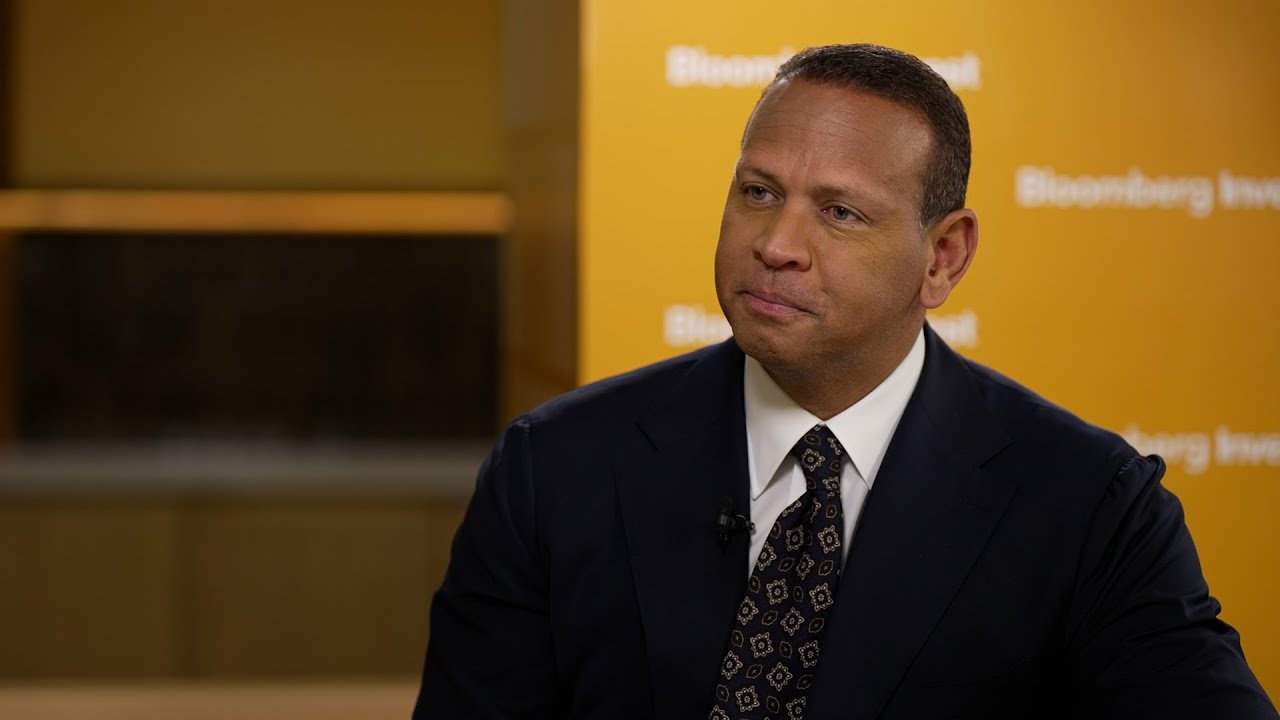
Israeli Ambassador to the US, Yechiel Leiter, joins David Gura and Christina Ruffini this morning on Bloomberg This Weekend for a wide-ranging conversation on the war Iran, operations in Lebanon and achieving peace in the Middle East. Watch the show LIVE every Saturday and Sunday morning. When Lebanon’s foreign minister, Youssef Raggi, summoned Iran’s chargé d'affaires to the grand halls of Bustros Palace in east Beirut, he asked his secretary general to deliver an unusually blunt message: tell Tehran to stop interfering in Lebanese affairs. Last week’s rare diplomatic rebuke highlighted a shifting mood in a country long influenced by Iranian-backed Hezbollah but shattered by a renewal in major fighting between the Shia militant group and Israel — the fifth outbreak in just three decades.
The summons came after Iran’s Islamic Revolutionary Guard Corps claimed responsibility for a joint missile and drone strike on Israel with Hezbollah. Raggi said the cross-border attack violated Lebanon’s sovereignty and countered government policy, in a statement on social media.
The next day, March 13, there was another coordinated attack.
That impunity has defined the relationship between countless governments in Beirut and Hezbollah, which has operated almost like a state within a state for at least 25 years in Lebanon, with its own armed forces, schools, hospitals and financial networks. Now the militant group — badly degraded in the year-long war which began after it fired rockets at Israel just after Hamas-led fighters attacked Israel’s south in October 2023 — has reached a crossroads.
Its main benefactor, Iran, is under intense pressure, and Hezbollah’s avowed enemy, Israel, seems determined to forcibly remake Lebanon by imposing an as yet unspecified buffer zone in the south of the country. Meanwhile neighboring Syria, which under the Assad regime allowed weapons to be smuggled across the border, is now under the leadership of an unfriendly Sunni government. Israel’s defense minister, Israel Katz, said this week that air strikes in southern Lebanon were aimed not only at disrupting Hezbollah’s movements but also at sending a “clear message to the Lebanese government.”
With international attention focused on the US-Israel military campaign in Iran, Lebanon has emerged as a major theater in the ensuing regional war. According to local health officials, more than 1,000 people, including around 118 children, have been killed in airstrikes that Israel says target Hezbollah and its military and financial networks. The Israeli military has so far issued evacuation orders for around 14% of the country, according to the United Nations, which estimates that 1.3 million people will need help with housing, food and medical attention over the next three months. Local aid organizations say they’re stretched to the limit, with hospitals, already short on fuel, medicine, and staff, struggling to cope.
--------
Watch Bloomberg Radio LIVE on YouTube
Weekdays 7am-6pm ET
Follow us on X
Subscribe to our Podcasts:
Bloomberg Daybreak
Bloomberg Surveillance
Bloomberg Intelligence
Balance of Power
Bloomberg Businessweek
Listen on Apple CarPlay and Android Auto with the Bloomberg Business app:
Apple CarPlay
Android Auto
Visit our YouTube channels:
Bloomberg Podcasts
Bloomberg Television
Bloomberg Originals
Sentinel Indexing in Progress
Metadata and chapters are available. Claim extraction for this episode is pending.
All video content is delivered via YouTube embedded players in accordance with the YouTube Terms of Service. Sentinel provides research tools that promote discovery and accountability across political media.