Bloomberg Podcasts
@bloombergpodcasts·503K subscribers·32.4K videos
Escorts Through Hormuz 'At Least Four Weeks Away' Says Ian Bremmer
Posted
March 22, 2026
Views
9,660
Likes
146
Comments
32
Engagement
March 22, 2026
9,660
146
32
1.84%
Every word spoken in this episode is indexed. Type any phrase to jump straight to the moment it was said.
Type any word or phrase that may have been spoken. Click a result to seek the player to that exact moment.
Try a name, a topic, or a quoted line
 11:00Now Playing
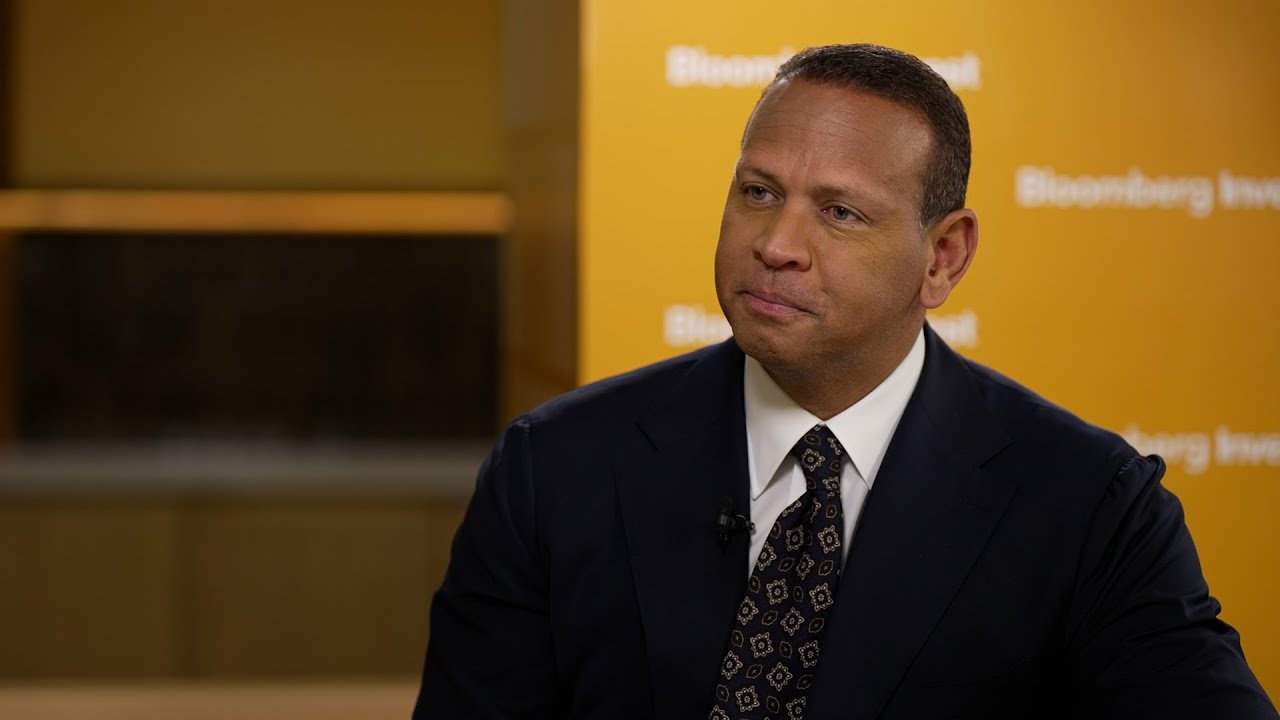
Eurasia Group President and Founder Ian Bremmer joins David Gura and Christina Ruffini this morning for a wide-ranging conversation on President Trump's actions during the Iranian war and the impact on global markets and America's international standing. Bloomberg This Weekend to break it down. Watch the show LIVE every Saturday and Sunday morning. US President Donald Trump gave Iran a two-day deadline to reopen the Strait of Hormuz or have its power plants bombed, upping the ante in a war that’s showing no sign of de-escalation into its fourth week.
Trump, under pressure to bring down soaring oil prices, said Iran must “fully open, without threat,” the vital waterway for energy flows. He gave the Islamic Republic 48 hours “from this exact point in time,” in a Truth Social post sent at 7:44 p.m. New York time on Saturday.
Iran countered that — if its power facilities do come under attack — it would close the Strait of Hormuz “completely,” state TV reported on Sunday, citing a statement from army command. The passage has been effectively shut since the US and Israel began attacking Iran on Feb. 28, though vessels from certain countries have managed to get through.
The Iranian military will target “all energy, information technology, and desalination infrastructure belonging to the US and the Israeli regime in the region,” the semi-official Tasnim news agency said. The rhetoric suggests neither side is willing to back down, with the war having already triggered an unprecedented oil and gas supply crisis. The latest threats follow a week of heavy hits on crucial energy infrastructure in the Middle East, deepening the prospect of the fighting having a long-term impact on the global economy.
Oil and gas flows are likely to take time to return to normal levels even after the Strait of Hormuz reopens, with many production sites damaged. The blockages are also causing shortages of fertilizer and crop nutrients, raising the prospect of critical disruptions to food output.
Read More: Iran War Jeopardizes Trump Plans for Big Oil’s Energy Dominance
The US and Israel continued to target sites in Iran on Sunday, including around the capital, Tehran. The Islamic Republic is firing missiles and drones at Israel and Arab Gulf nations.
US Treasury Secretary Scott Bessent said ongoing attacks on Iran are aimed at destroying its fortifications along the Strait of Hormuz. Trump will “take whatever steps it takes” to achieve goals including destroying Iran’s air force and navy, denying it the ability to have nuclear weapons and “their ability to project power internationally,” Bessent said Sunday on NBC’s Meet the Press.
Israeli Prime Minister Benjamin Netanyahu also reiterated his country’s military objectives, telling reporters the aims are to “break completely their nuclear program, break completely their missile program.” He added that Israel has “a goal of creating conditions” for Iranians to overthrow their leaders.
The Iranian regime isn’t close to falling and officials are coalescing around the remaining leaders, according to Western intelligence assessments and people familiar with the matter.
--------
Watch Bloomberg Radio LIVE on YouTube
Weekdays 7am-6pm ET
Follow us on X
Subscribe to our Podcasts:
Bloomberg Daybreak
Bloomberg Surveillance
Bloomberg Intelligence
Balance of Power
Bloomberg Businessweek
Listen on Apple CarPlay and Android Auto with the Bloomberg Business app:
Apple CarPlay
Android Auto
Visit our YouTube channels:
Bloomberg Podcasts
Bloomberg Television
Bloomberg Originals
Sentinel Indexing in Progress
Metadata and chapters are available. Claim extraction for this episode is pending.
All video content is delivered via YouTube embedded players in accordance with the YouTube Terms of Service. Sentinel provides research tools that promote discovery and accountability across political media.