Bloomberg Podcasts
@bloombergpodcasts·503K subscribers·32.4K videos
Trump's Iran Deadline Nears; Sharp Selloff in Markets | Bloomberg Daybreak: US Edition
Posted
March 23, 2026
Views
2,306
Likes
20
Comments
5
Engagement
March 23, 2026
2,306
20
5
1.08%
Every word spoken in this episode is indexed. Type any phrase to jump straight to the moment it was said.
Type any word or phrase that may have been spoken. Click a result to seek the player to that exact moment.
Try a name, a topic, or a quoted line
 21:10Now Playing
Today's top stories, with context, in just 15 minutes.
On today's podcast:
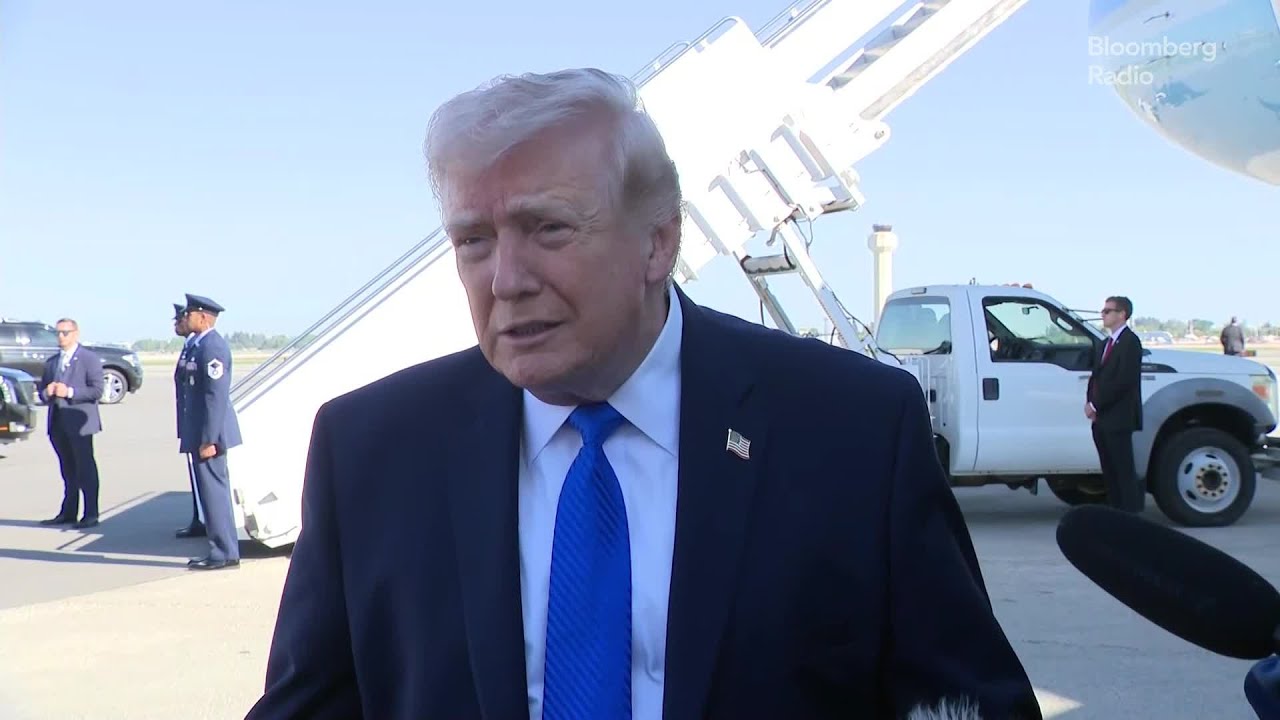
1) Iran carried out fresh strikes across the Persian Gulf hours before President Trump’s deadline to reopen the Strait of Hormuz expires, as the waterway’s closure continues to rattle global energy markets. The United Arab Emirates reported drone and missile attacks by the Islamic Republic overnight into Monday. Israel launched a wave of airstrikes on infrastructure in Tehran and said it’s preparing to expand ground operations in Lebanon, where it’s fighting Iran-aligned Hezbollah. Trump’s 48-hour ultimatum to “fully open” the vital strait — a conduit for about a fifth of global oil and liquefied natural gas exports — expires at 7:44 p.m. eastern time on Monday, after which he’s threatened strikes on Iran’s power plants. Should such an attack occur, Iran has threatened to hit power and water plants across the region. One senior Iranian official said on social media that the headquarters and assets of financial entities that buy US Treasury bonds are “legitimate targets.”
2) Global bond yields have risen to the highest since May 2024 as a surge in energy costs due to the Middle East conflict leads traders to position for central bank interest-rate hikes. US yields are perched at their highest in months after a third straight week of bond losses on speculation the Federal Reserve may be compelled to raise borrowing costs to combat inflation. Australia’s 10-year yields climbed to the highest level since 2011 on Monday, while those in New Zealand are at the highest since May 2024. India’s 10-year yield rose to a level last seen in January 2025. Japanese and South Korean bond yields also climbed, while European bond futures dropped.
3) Oil gained from the highest close since mid-2022, as investors assessed President Donald Trump’s two-day ultimatum to Iran to reopen the Strait of Hormuz and Tehran’s threat of reprisals. Brent rose above $113 a barrel, up for a fifth day, while West Texas Intermediate was near $100. Global benchmark Brent has surged by more than 50% since the strikes by the US and Israel on Iran began in late February. The conflict has shown no signs of abating, with key petroleum-product markets rallying even harder than crude. That’s threatened to unleash a wave of global inflation, bringing turmoil to financial markets from commodities to stocks and bonds.
See omnystudio.com/listener () for privacy information.
Bloomberg Daybreak delivers today's top stories, with context, in just 15 minutes. Get informed from Bloomberg's 2,700 journalists and analysts in 120 countries.
Subscribe to Bloomberg Podcasts
Listen to more of Bloomberg DaybreakUS Edition
#Bloomberg #Podcast #News
Follow Bloomberg Podcasts on Twitter
Visit our other YouTube channels:
Bloomberg Television
Bloomberg Originals
For coverage on news, markets and more
Sentinel Indexing in Progress
Metadata and chapters are available. Claim extraction for this episode is pending.
All video content is delivered via YouTube embedded players in accordance with the YouTube Terms of Service. Sentinel provides research tools that promote discovery and accountability across political media.