Bloomberg Podcasts
@bloombergpodcasts·503K subscribers·32.4K videos
Probability of Recession is Higher Than People Think, Says Ellen Zentner
Posted
April 1, 2026
Views
12,083
Likes
203
Comments
31
Engagement
April 1, 2026
12,083
203
31
1.94%
Every word spoken in this episode is indexed. Type any phrase to jump straight to the moment it was said.
Type any word or phrase that may have been spoken. Click a result to seek the player to that exact moment.
Try a name, a topic, or a quoted line
 7:53Now Playing
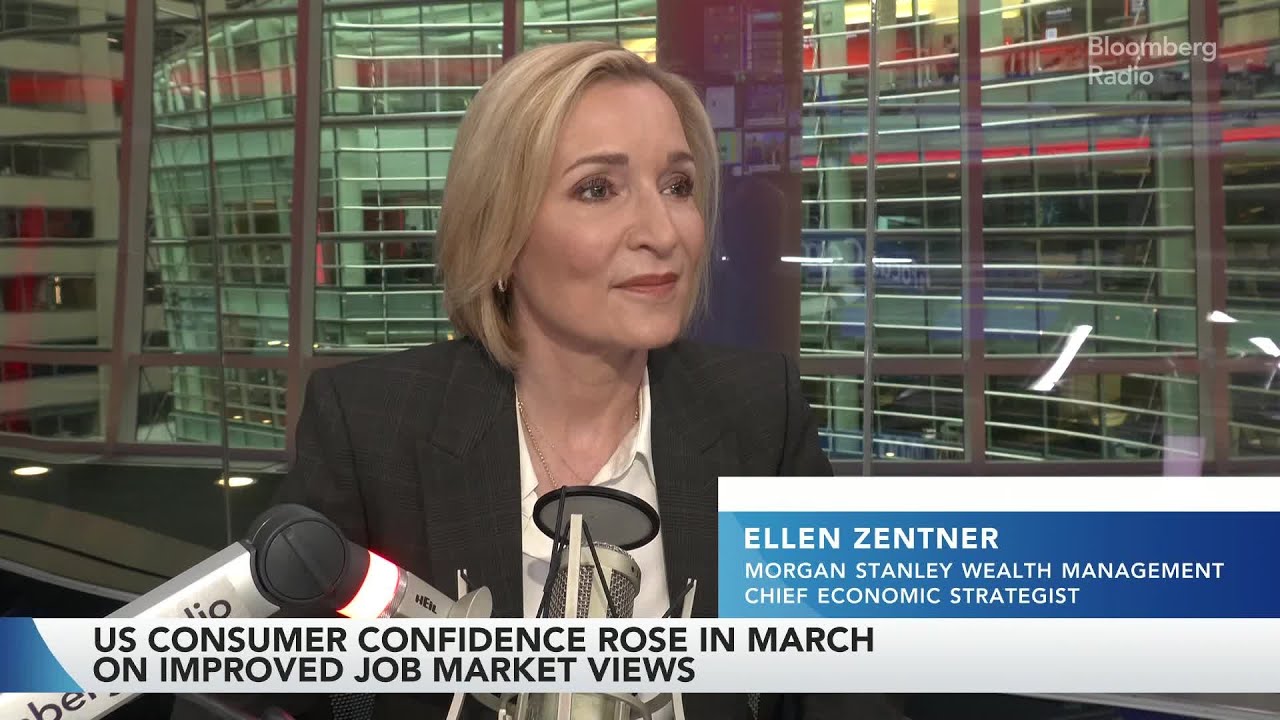
Ellen Zentner, Chief Economic Strategist at Morgan Stanley Wealth Management, discusses the state of US consumers as they combat pain at the gas-pump, as well as the thematic approach to navigating market volatility.
Much of the focus on US consumer resilience since the Iran war broke out has been on Americans’ ability to cope with higher gasoline prices. Evidence suggests it’s better now than in past decades. Where the vulnerability may instead lie is the stock market.
Spending on motor fuels in January hovered near a record low as a share of disposable income at just 1.6%, the latest figures show. That offers some cushion for the recent surge in gas prices past $4 a gallon.
What’s also come down: household savings rates, most recently at 4.5%, compared with 5.1% a year before and 6.4% in January 2024. Diminishing firepower from incomes showcases the importance of accumulated wealth as a prop for further consumption.
And on that score, corporate equities at market value accounted for more than a quarter of household net worth at the end of 2025 — marking a record high in some 80 years of data, the Fed’s latest quarterly report on US balance sheets shows.
Tuesday’s surge in the S&P 500 on optimism about the potential for a negotiated solution to the US-Israeli conflict with Iran still left the benchmark down 5% for March, the worst monthly performance in a year.
“One risk to the US economy is the wealth effect from equity prices, which our work shows has been an important tailwind for consumer spending,” said Matthew Martin, a senior US economist at Oxford Economics.
Martin said in a note last week that “a more significant correction in the stock market could drive a sharper slowdown in consumer spending from higher-income households, which could prompt a bigger hit to the labor market.”
The war’s impact on spending will take time to emerge.
--------
Watch Bloomberg Radio LIVE on YouTube
Weekdays 7am-6pm ET
Follow us on X
Subscribe to our Podcasts:
Bloomberg Daybreak
Bloomberg Surveillance
Bloomberg Intelligence
Balance of Power
Bloomberg Businessweek
Listen on Apple CarPlay and Android Auto with the Bloomberg Business app:
Apple CarPlay
Android Auto
Visit our YouTube channels:
Bloomberg Podcasts
Bloomberg Television
Bloomberg Originals
Sentinel Indexing in Progress
Metadata and chapters are available. Claim extraction for this episode is pending.
All video content is delivered via YouTube embedded players in accordance with the YouTube Terms of Service. Sentinel provides research tools that promote discovery and accountability across political media.