Bloomberg Podcasts
@bloombergpodcasts·503K subscribers·32.4K videos
Stocks Climb, Oil Slides on War-End Optimism
Posted
April 1, 2026
Views
1,749
Likes
24
Comments
7
Engagement
1.77%
April 1, 2026
1,749
24
7
1.77%
Every word spoken in this episode is indexed. Type any phrase to jump straight to the moment it was said.
Type any word or phrase that may have been spoken. Click a result to seek the player to that exact moment.
Try a name, a topic, or a quoted line
 14:24Now Playing
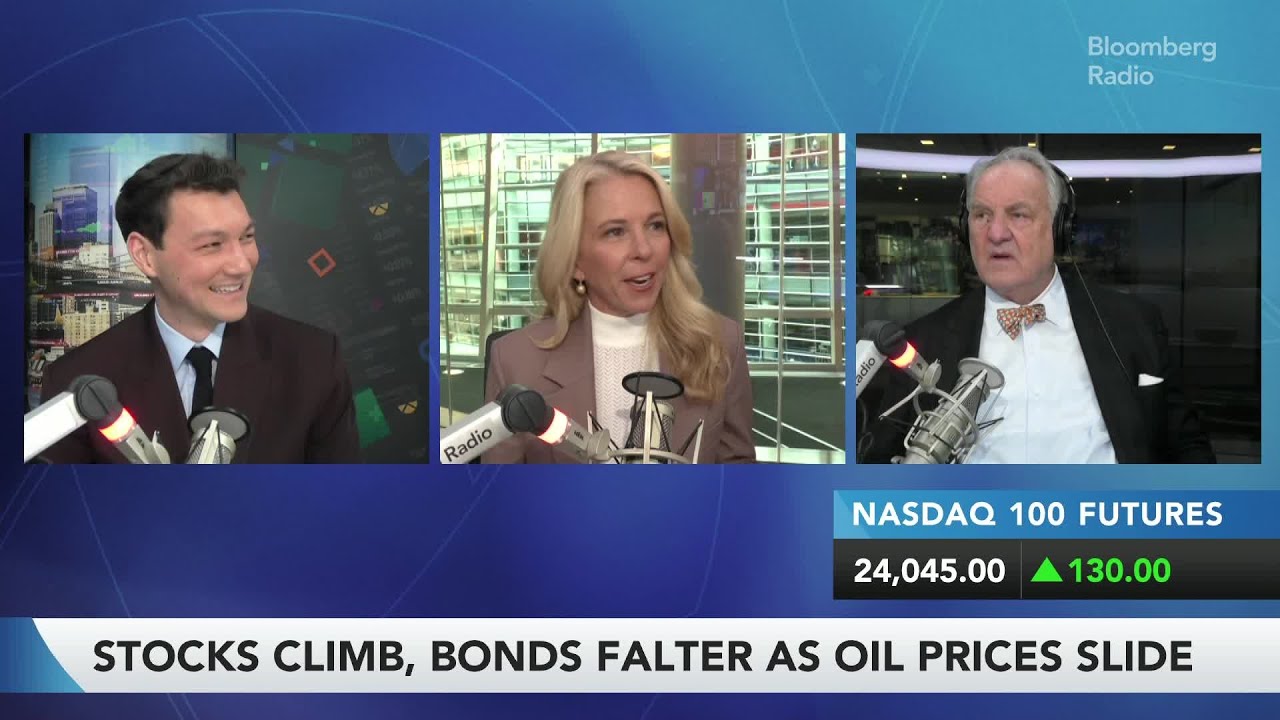
Liz Ann Sonders, Chief Investment Strategist & Kevin Gordon, Head of Macro Research and Strategy at Charles Schwab, discuss the narrowing gap between 'front page' and 'bottom line' risk.
US stocks rose as optimism grew that the war in the Middle East may be nearing a conclusion, pulling Brent briefly below $100 a barrel. Treasuries wavered while the dollar was on track for a second day of declines.
The S&P 500 was up 0.7%, adding to gains from the previous session as investors assessed comments by President Donald Trump on the war’s trajectory. Trump said on Wednesday he’ll only consider a halt to attacks on Iran when the Strait of Hormuz is reopened. On Tuesday, Trump said he foresaw the US ending the conflict within two to three weeks, sparking a sharp rally in stocks.
The Nasdaq 100 Index was up 1%. Brent was down around 2.8%, paring previous losses. The two-year Treasury yield edged higher to 3.81%, following solid data on the US labor market and retail sales. Traders now see a roughly 35% chance of a Federal Reserve interest-rate cut in December.
“A combination of euphoria, exuberance, and relief has driven a considerable rebound in risk appetite over the last day or so, as hopes grow for a swift end to conflict in the Middle East,” said Michael Brown, a senior research strategist at Pepperstone Group Ltd., in a note to investors. Markets are concluding that “no war is a much better scenario for the global economy than a continued conflict.”
Trump, who will give an address at 9 p.m. Eastern Time to provide an “important update” on Iran, has vacillated throughout the month-long conflict between threatening a military escalation and saying a deal is imminent.
Iranian Foreign Minister Abbas Araghchi says only his country and its Gulf neighbor Oman will decide the future of the Strait of Hormuz, state-run Press TV reports without giving more details. The recent surge in gasoline prices has car shoppers at Morris Smith’s Kansas auto dealerships recalculating how large of a monthly payment they can afford.
That’s a bad sign for an industry already bracing for a slowdown in sales.
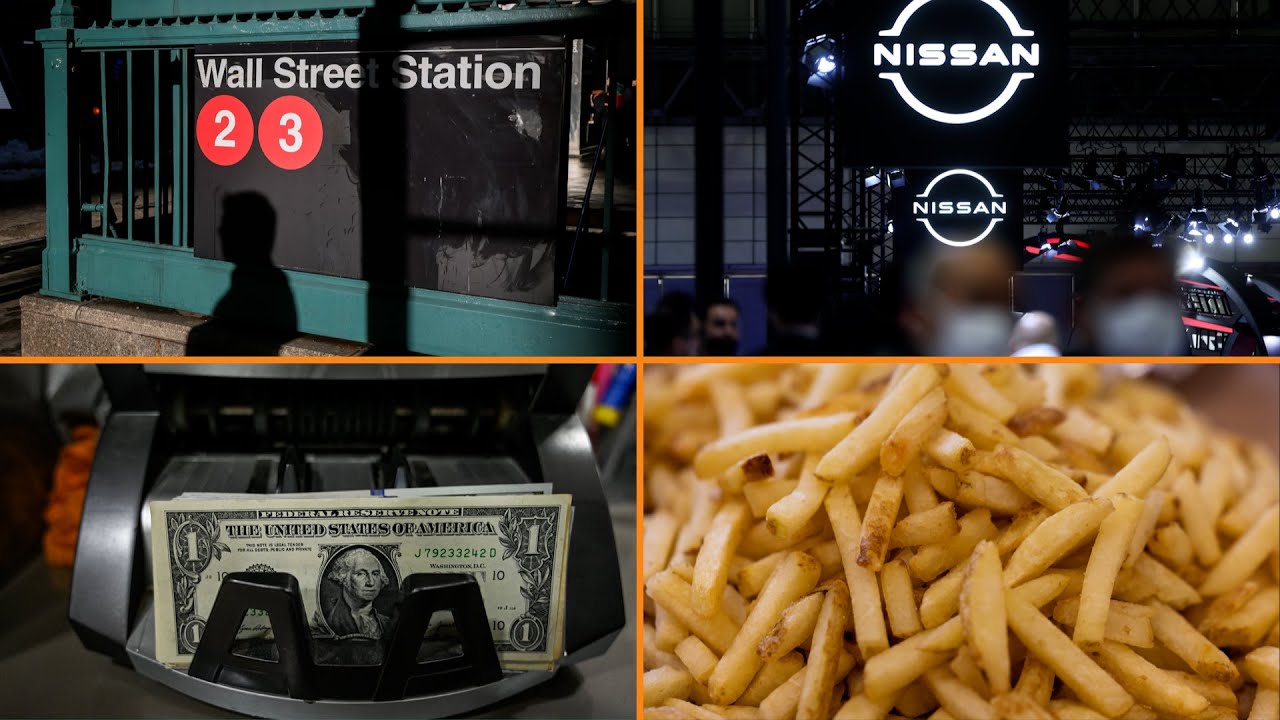
With new-car prices hovering near record levels, some shoppers are switching to Smith’s used-car lot. Others are choosing to hold on to their cars for longer rather than shell out the roughly $50,000 commanded by the average new vehicle in the US, said Smith, who owns Ford dealerships in Leavenworth and Larned, Kansas.
“If gas prices stay inflated, it will become a huge factor and just really make it even more difficult from an affordability standpoint,” Morris said in an interview. Gas prices remaining at elevated levels for several months risks putting additional pressure on US auto sales that were expected to decline even before the Iran war began in late February.
Worries about inflation created by the conflict have reduced expectations, at least in the near term, that the Federal Reserve will lower interest rates. That could delay relief sought by car shoppers facing huge monthly payments, which reached an all-time high of $773 on average in the first quarter, according to industry researcher Edmunds.com.
“The current Middle East conflict adds a tremendous amount of uncertainty to the vehicle market,” Charlie Chesbrough, senior economist for researcher Cox Automotive, said in a March 25 media call. “A prolonged conflict could create a much more negative outlook.” New car deliveries in the first three months of the year likely fell by more than 6%, according to forecasts from Edmunds and Cox. American consumers purchased an estimated 3.7 million vehicles in the first quarter, down from the year-earlier period when sales jumped on buyers snapping up new models to get ahead of tariff-induced price increases.
Some of the first automakers to report deliveries for the latest quarter illustrated that dynamic.
Hyundai Motor Co.’s March sales fell 3.4% while affiliate Kia Corp. posted a 2.6% decline from the same month last year, when tariff fears pushed sales to especially strong levels across the industry. The
--------
Watch Bloomberg Radio LIVE on YouTube
Weekdays 7am-6pm ET
Follow us on X
Subscribe to our Podcasts:
Bloomberg Daybreak
Bloomberg Surveillance
Bloomberg Intelligence
Balance of Power
Bloomberg Businessweek
Listen on Apple CarPlay and Android Auto with the Bloomberg Business app:
Apple CarPlay
Android Auto
Visit our YouTube channels:
Bloomberg Podcasts
Bloomberg Television
Bloomberg Originals
Sentinel Indexing in Progress
Metadata and chapters are available. Claim extraction for this episode is pending.
All video content is delivered via YouTube embedded players in accordance with the YouTube Terms of Service. Sentinel provides research tools that promote discovery and accountability across political media.