Bloomberg Podcasts
@bloombergpodcasts·503K subscribers·32.4K videos
Stocks Fall, Oil Rises on Fears War Is Heating Up
Posted
April 7, 2026
Views
1,727
Likes
22
Comments
2
Engagement
1.39%
April 7, 2026
1,727
22
2
1.39%
Every word spoken in this episode is indexed. Type any phrase to jump straight to the moment it was said.
Type any word or phrase that may have been spoken. Click a result to seek the player to that exact moment.
Try a name, a topic, or a quoted line
 5:34Now Playing
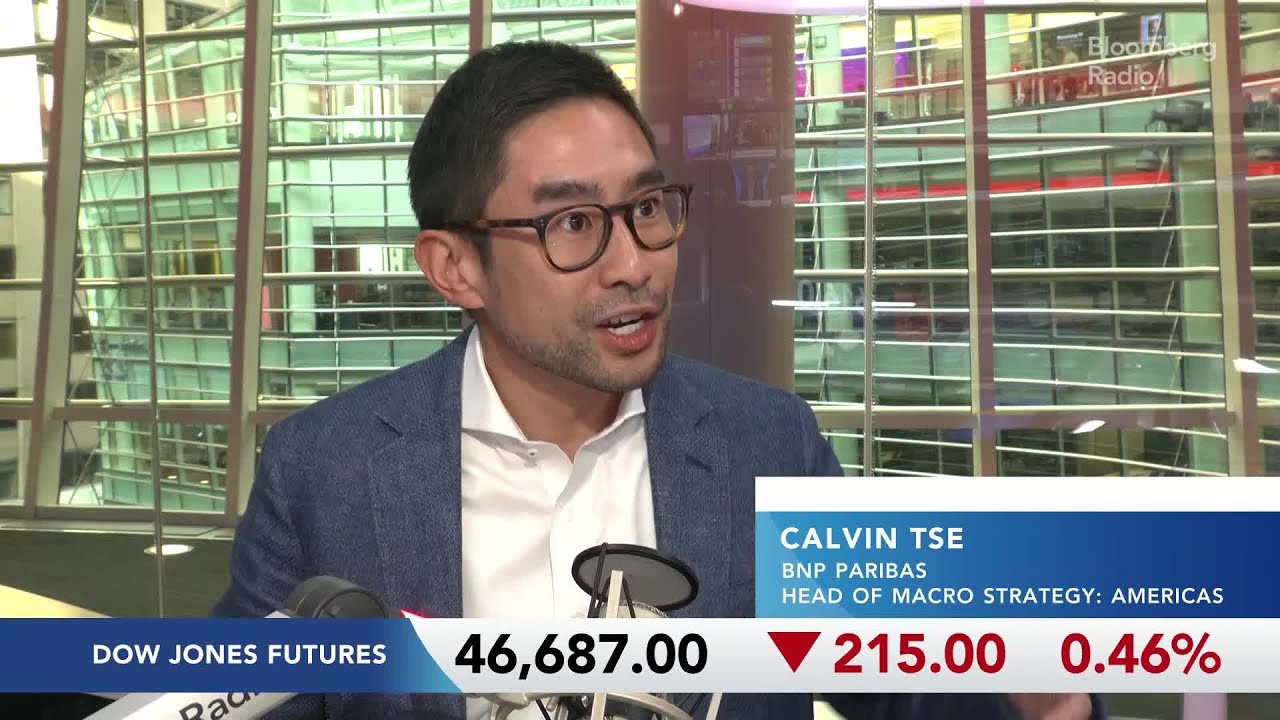
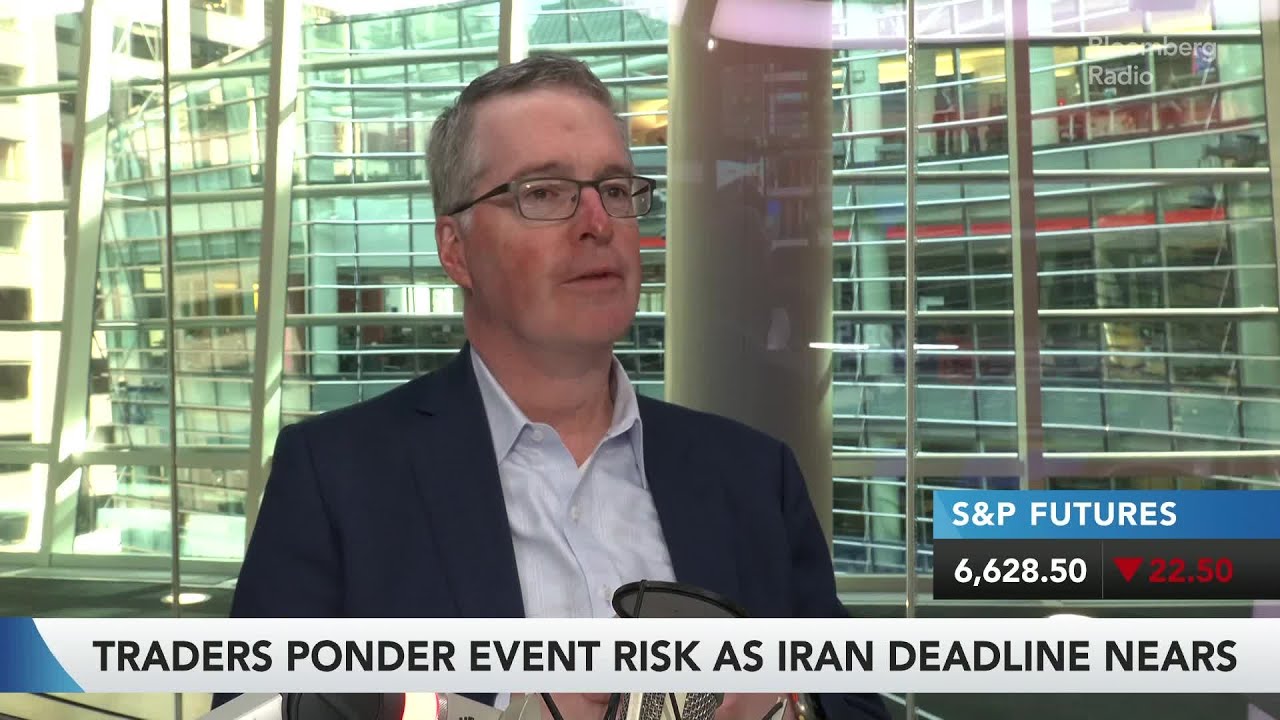
Ted Neild, CEO & CIO at Gresham Partners, discusses the need for discipline during bouts of market volatility.
Stocks and bonds fell as oil climbed on concern the war in the Middle East is intensifying ahead of President Donald Trump’s deadline for Iran to agree to a ceasefire deal.
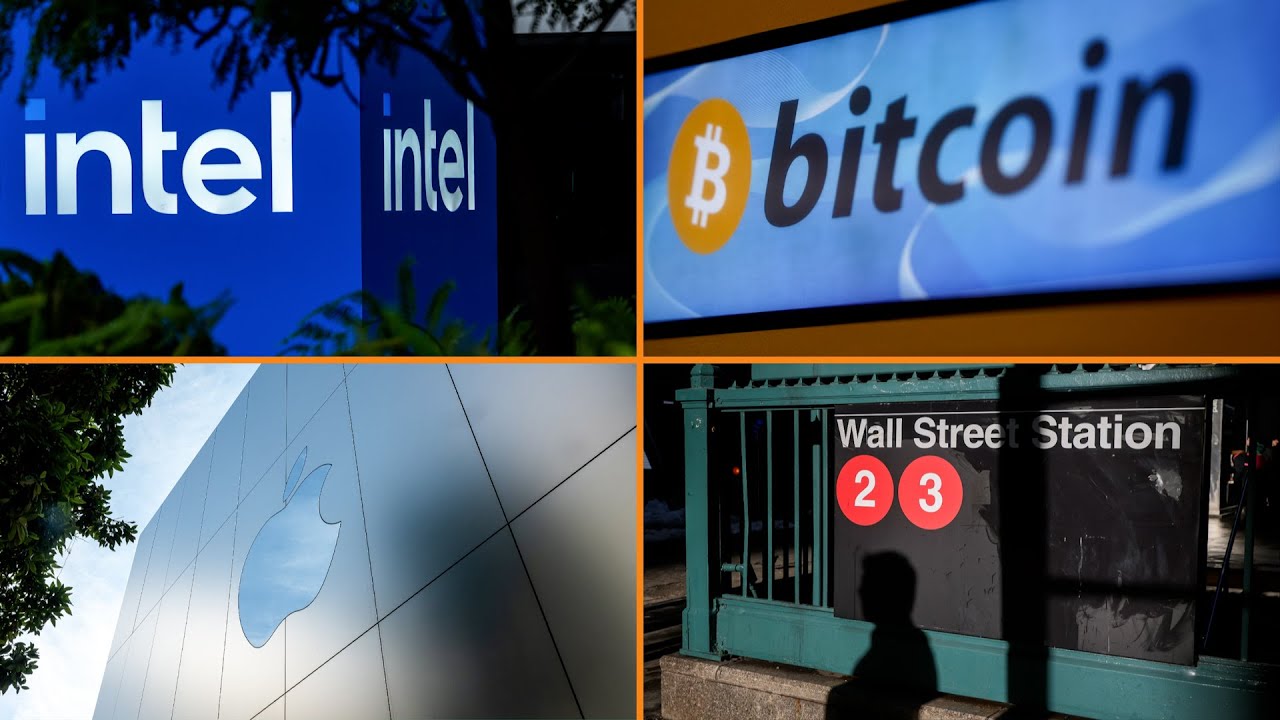
Fears that an escalation of the conflict could heighten a fuel squeeze and endanger the economy unsettled traders. US crude topped $115 as the US attacked Kharg Island, a key energy export hub. The S&P 500 halted a four-day gain. Tech sold off as Apple Inc. sank on a report its foldable iPhone hit engineering snags. Bitcoin slid.
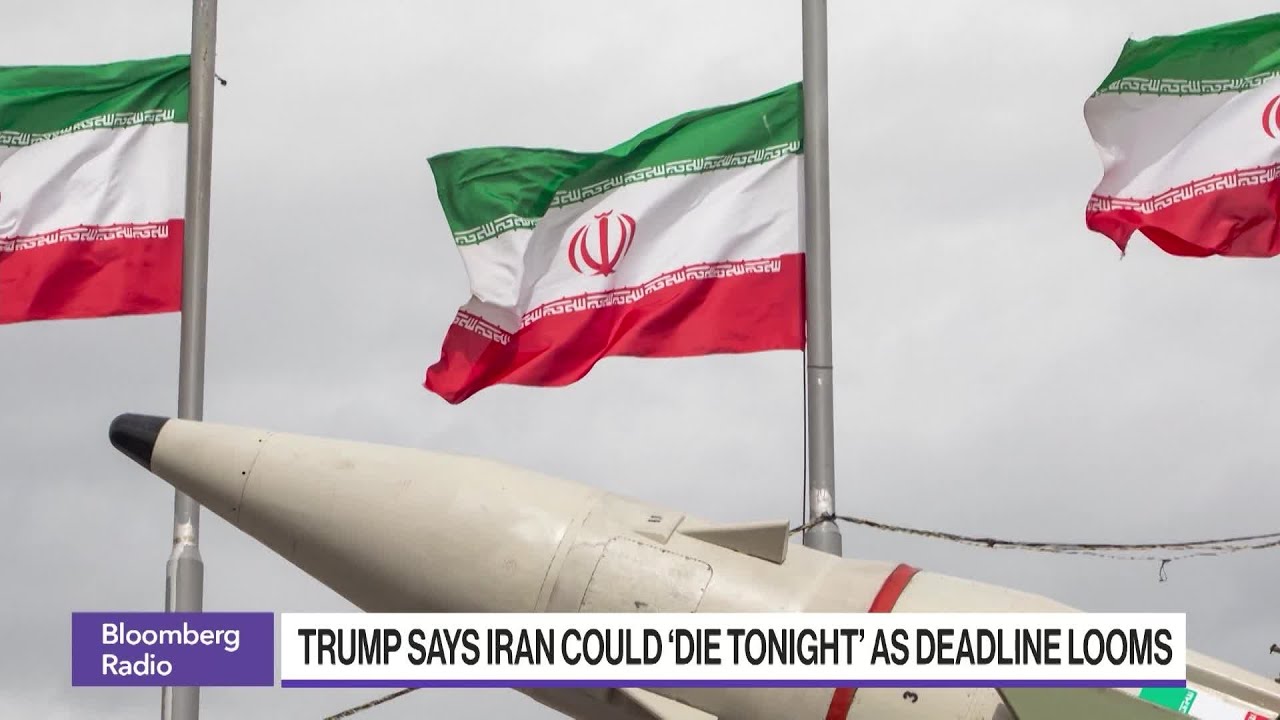
Trump reiterated his threat to unleash a massive bombing campaign, pressing Iran to make an agreement before his Tuesday 8 p.m. deadline, saying that a “whole civilization will die tonight” if that does not occur.
He also held out the possibility of an agreement, saying new Iranian leaders with “different, smarter, and less radicalized minds” could reach a deal. “We will find out tonight, one of the most important moments in the long and complex history of the World,” he added.
Vice President JD Vance said he’s confident Iran will issue a response by then.
Iran has cut off direct communications with the US over Trump’s latest threats, though talks with ceasefire mediators continue, the Wall Street Journal reported.
“Investors are likely to remain on edge and markets unable to establish trends, probably until there is a clear outcome later this evening,” said Paul Christopher at Wells Fargo Investment Institute. As US President Donald Trump’s latest ultimatum to Iran to agree to a ceasefire deal approaches, hardliners now in charge in Tehran are relishing the idea of escalation and a region-wide conflict.
The US and Israel have taken out layers of senior commanders of the Islamic Revolutionary Guard Corps over the course of the nearly six-week war, but those who remain are girding for a protracted battle, with little fear of Trump’s threats to destroy civilian infrastructure. This could spark an upsurge in fighting that would further engulf Middle Eastern countries and exacerbate what has become a global energy crisis.
Read More: Why Trump’s Iran Threats Raise War Crime Concerns: Explainer
An Iraqi militia tied to the IRGC warned on its Telegram channel Tuesday that if Trump acts on his threat to broadly obliterate Iran, then it would target the Red Sea port of Yanbu to “plunge the world into an energy war.” Saudi Arabia has been using the Yanbu terminal to export almost 5 million barrels of oil a day to get around Iran’s blockade of the strategic Strait of Hormuz.
“The group of people who are institutionally and personally invested in the resilience and survivability of the regime are now in command and control,” said Sanam Vakil, director of the Middle East and North Africa program at London-based Chatham House. “They are going to be hard to convince that the time to deal is now and that’s why the terms and conditions that Iran keeps putting on the table are so maximalist.” Iran’s demands include guarantees it won’t be attacked again by the US and Israel, the right to control Hormuz and the lifting of longstanding economic sanctions. Trump wants Tehran to reopen the strait, give up its nuclear program, end its support for proxy militant groups and accept restrictions on its missile program. On Tuesday, he said Iran’s “whole civilization will die” if a deal isn’t reached.
Read More: US Strikes Kharg Island as Trump Says Iran Could ‘Die Tonight’
Vakil said the dominant hardline faction in Iran doesn’t want to concede too early, while the weaker reformist group is “looking to find an off ramp” because it believes Tehran has significant leverage now with its control of Hormuz.
--------
Watch Bloomberg Radio LIVE on YouTube
Weekdays 7am-6pm ET
Follow us on X
Subscribe to our Podcasts:
Bloomberg Daybreak
Bloomberg Surveillance
Bloomberg Intelligence
Balance of Power
Bloomberg Businessweek
Listen on Apple CarPlay and Android Auto with the Bloomberg Business app:
Apple CarPlay
Android Auto
Visit our YouTube channels:
Bloomberg Podcasts
Bloomberg Television
Bloomberg Originals
Sentinel Indexing in Progress
Metadata and chapters are available. Claim extraction for this episode is pending.
All video content is delivered via YouTube embedded players in accordance with the YouTube Terms of Service. Sentinel provides research tools that promote discovery and accountability across political media.