Bloomberg Podcasts
@bloombergpodcasts·503K subscribers·32.4K videos
Adam Back Denies He Is Anonymous Bitcoin Founder Satoshi Nakamoto
Posted
April 9, 2026
Views
20,268
Likes
237
Comments
112
Engagement
April 9, 2026
20,268
237
112
1.72%
Every word spoken in this episode is indexed. Type any phrase to jump straight to the moment it was said.
Type any word or phrase that may have been spoken. Click a result to seek the player to that exact moment.
Try a name, a topic, or a quoted line
 17:47Now Playing
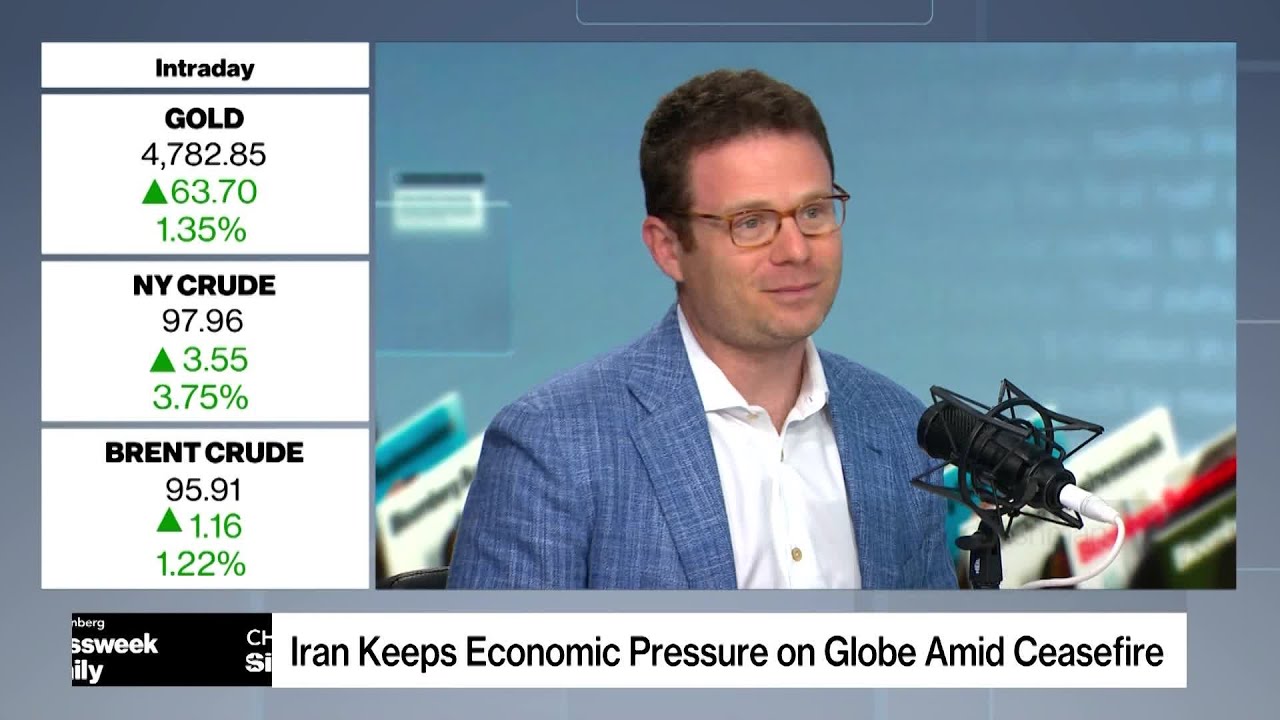
Adam Back, Co-Founder and CEO of Blockstream, denied claims that he is the mysterious and anonymous founder of bitcoin after a New York Times investigation tied him to the creation of the currency.
Back said that it's 'natural' that people are curious but that since Nakamoto stopped posting on online forums there have been few 'digital breadcrumbs' to point people towards an answer.
Moving Wall Street’s trading infrastructure onto blockchain-based systems could accelerate financial crises beyond regulators’ ability to respond, even as the technology promises to cut costs and eliminate settlement delays, the International Monetary Fund says.
Tokenization — the act of representing assets like stocks, bonds and cash as digital tokens on shared ledgers — is a structural overhaul of financial architecture rather than a marginal efficiency gain, the IMF’s Tobias Adrian wrote in a report published on Thursday.
Banks, clearing houses and asset managers including BlackRock Inc. and JPMorgan Chase & Co. are already running live pilots to test a technology that they hope will boost fees by making it easier to trade traditional assets like stocks and bonds.
In September, Nasdaq sought approval from the US Securities and Exchange Commission to allow stocks to be tokenized and traded on regulated venues like itself. Earlier this year, the New York Stock Exchange said it’s building a venue using blockchain technology to allow for trading tokenized stocks and exchange-traded funds around the clock.
SEC Chairman Paul Atkins has supported tokenization.
The technology will allow for trades to move more quickly through the system, but what some see as a feature is also a vulnerability, said Adrian.
“Stress events are likely to unfold faster, leaving less time for discretionary intervention,” he wrote. Settlement delays serve as buffers that give central banks and regulators time to intervene during crises, he noted.
In a system that settles instantly and therefore continuously, there’s little time for regulators to intervene before margin calls hit. A tokenized system also functions around the clock — but central bank emergency lending facilities were built for business-hour crises, he said.
He also compared privately issued stablecoins, increasingly used as settlement assets in tokenized markets, to money-market funds: functional in calm conditions but vulnerable to runs.
--------
Watch Bloomberg Radio LIVE on YouTube
Weekdays 7am-6pm ET
Follow us on X
Subscribe to our Podcasts:
Bloomberg Daybreak
Bloomberg Surveillance
Bloomberg Intelligence
Balance of Power
Bloomberg Businessweek
Listen on Apple CarPlay and Android Auto with the Bloomberg Business app:
Apple CarPlay
Android Auto
Visit our YouTube channels:
Bloomberg Podcasts
Bloomberg Television
Bloomberg Originals
Sentinel Indexing in Progress
Metadata and chapters are available. Claim extraction for this episode is pending.
All video content is delivered via YouTube embedded players in accordance with the YouTube Terms of Service. Sentinel provides research tools that promote discovery and accountability across political media.