Bloomberg Podcasts
@bloombergpodcasts·503K subscribers·32.4K videos
Two Months to get Oil Back Online is 'Optimistic,' Says Rebecca Babin
Posted
April 13, 2026
Views
12,131
Likes
163
Comments
25
Engagement
April 13, 2026
12,131
163
25
1.55%
Every word spoken in this episode is indexed. Type any phrase to jump straight to the moment it was said.
Type any word or phrase that may have been spoken. Click a result to seek the player to that exact moment.
Try a name, a topic, or a quoted line
 6:26Now Playing
Rebecca Babin, senior equity trader and managing director at CIBC Private Wealth, said that the markets are using a two month base case as the predicted time it would take to get oil production back up and running after the end of war with Iran, a timeline she finds 'optimistic.' Babin said that even if US oil exports grows to 5 million barrels a day, it still won't be enough to fill in the supply lost to the closure of the Strait of Hormuz.
Oil rose as the US began a blockade on vessels transiting to and from Iranian ports, reigniting risks to energy supplies in the Persian Gulf region.
Brent traded around $99, while West Texas Intermediate traded near $99 with US President Donald Trump threatening to attack any Iranian vessels that approach US ships in the Strait of Hormuz. Gains were limited after Trump said Iran was seeking a deal as recently as Monday morning.
The US military effort has opened up both practical and logistical questions, including the risks of enforcement. But if put into full effect, it could halt one of the few flows of Gulf oil that has continued throughout the war. Meanwhile, Tehran’s threats to target vessels and ports in response have amplified the risks for other producers.
Energy markets have been upended by the conflict, with higher prices threatening to stoke inflation while slowing economic growth. There’s been an urgent scramble around the world for immediately available crude cargoes as supplies tighten. While futures closed last week at $95 a barrel, real-world oil gauges were more than $30 above that level.
The move marks Trump’s latest attempt to force Iran to ease its own chokehold over the strait, through which about a fifth of the world’s oil and liquified natural gas transits. Peace talks between the US and Iran collapsed over the weekend, jeopardizing a fragile ceasefire and raising fears that fighting in the region could reflare, further roiling energy markets and supply chains.
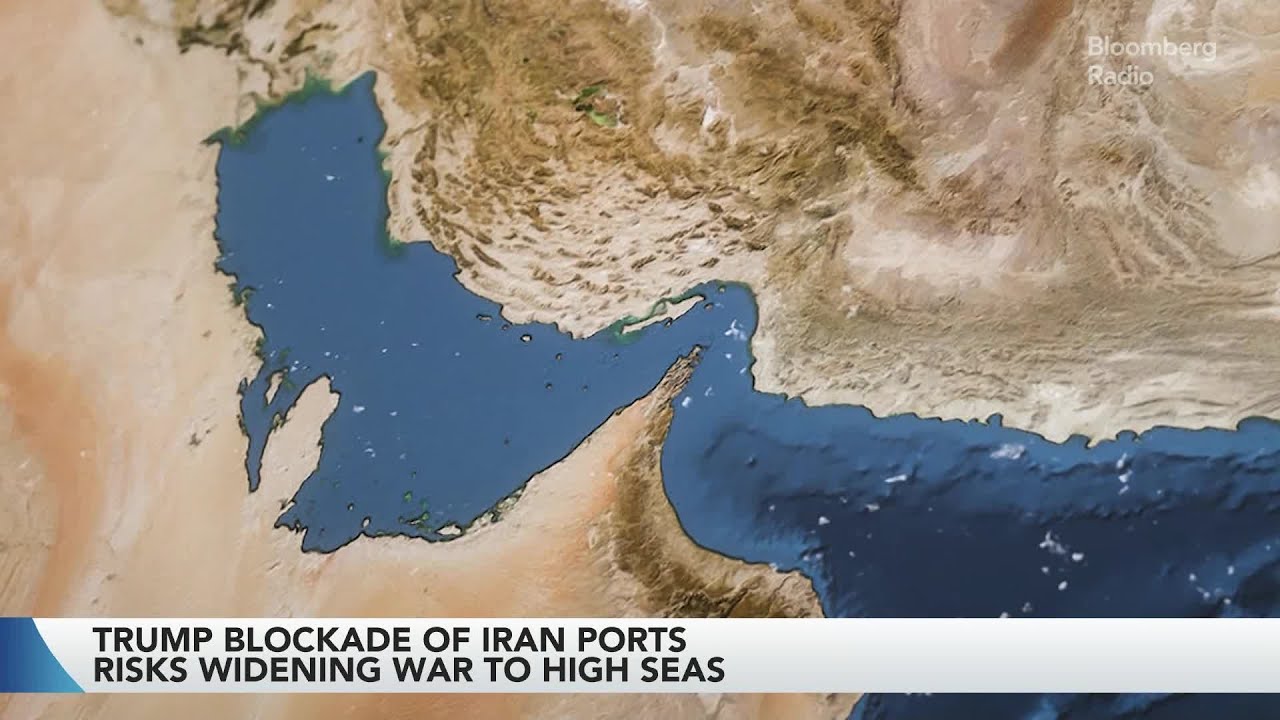
Frustrated by Iran’s unwillingness to give up its strangehold over the Strait of Hormuz, US President Donald Trump is trying to force the issue. The US military announced that it had imposed a full blockage of Iran’s southern coastline, including traffic from there through the Strait of Hormuz, as of April 13.
The narrow waterway connecting the Persian Gulf to the wider world has become a flashpoint since the US and Israel began strikes on Iran on Feb. 28. Tehran tightened its grip on the corridor in response, all but closing off a vital thoroughfare and threatening economies far beyond the Middle East.
A US naval blockade along the lines of what was carried out off Venezuela from the end of last year could reduce that to zero, pressuring Iran but also putting additional stress on energy supplies, especially for Asian nations that depend heavily on the Middle East for them.
It would also likely doom an already fragile ceasefire the warring parties agreed to on April 7.
What exactly is the US navy doing?
Hours after US-Iran talks in Islamabad aimed at a permanent resolution of the war fell apart on April 12, Trump posted on social media that “effective immediately” the US Navy would blockade “any and all ships trying to enter, or leave, the Strait of Hormuz.” He added that other countries would participate, without naming any.
He threatened to “interdict every vessel in International Waters that has paid a toll to Iran,” implying the US could impose its blockade widely, well beyond the strait and even in the waters of the Gulf of Oman.
The US military separately issued a more narrow interpretation as it set a start of April 13 at 10 a.m. New York time for the blockade. It applies to all vessels “entering or departing Iranian ports and coastal areas.”
--------
Watch Bloomberg Radio LIVE on YouTube
Weekdays 7am-6pm ET
Follow us on X
Subscribe to our Podcasts:
Bloomberg Daybreak
Bloomberg Surveillance
Bloomberg Intelligence
Balance of Power
Bloomberg Businessweek
Listen on Apple CarPlay and Android Auto with the Bloomberg Business app:
Apple CarPlay
Android Auto
Visit our YouTube channels:
Bloomberg Podcasts
Bloomberg Television
Bloomberg Originals
Sentinel Indexing in Progress
Metadata and chapters are available. Claim extraction for this episode is pending.
All video content is delivered via YouTube embedded players in accordance with the YouTube Terms of Service. Sentinel provides research tools that promote discovery and accountability across political media.