Cnbc
@cnbc·4.2M subscribers·16.1K videos
Russian Hypersonic Weapon Likely Ready By 2020 | CNBC
Posted
May 16, 2018
Views
62,860
Likes
157
Comments
50
Engagement
0.33%
May 16, 2018
62,860
157
50
0.33%
Every word spoken in this episode is indexed. Type any phrase to jump straight to the moment it was said.
Type any word or phrase that may have been spoken. Click a result to seek the player to that exact moment.
Try a name, a topic, or a quoted line
See what was published immediately before and after this episode.
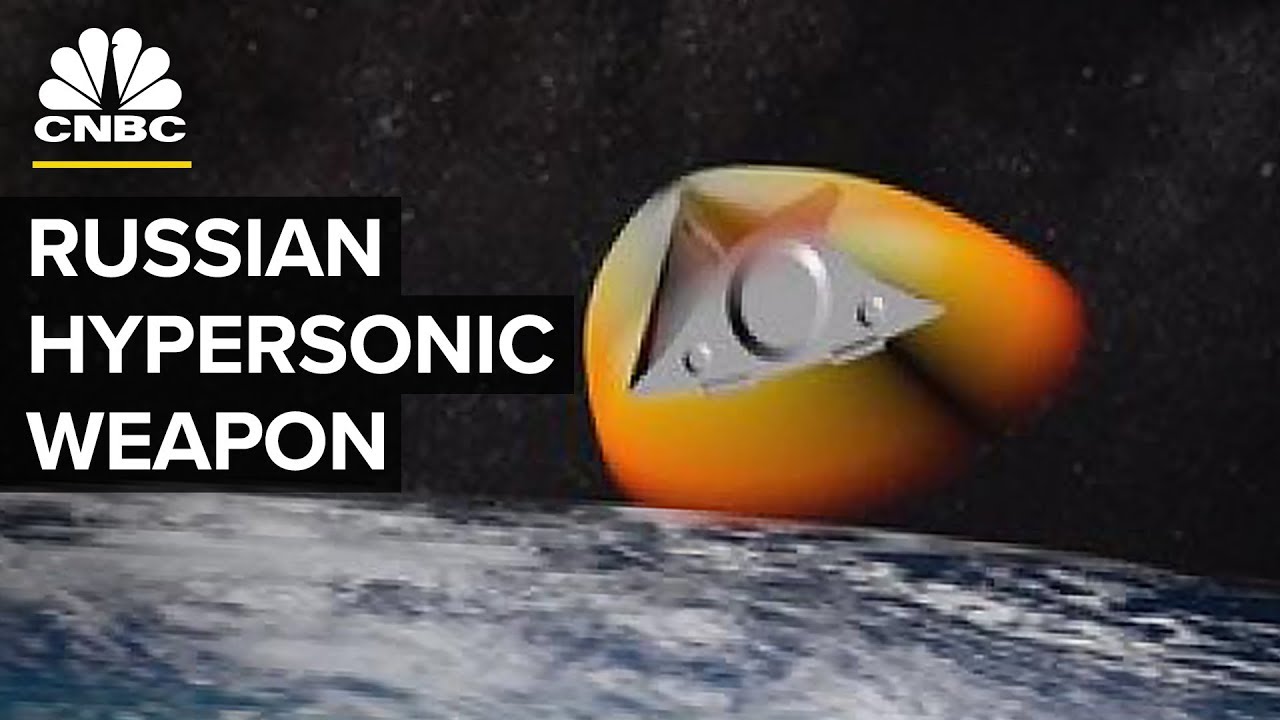
A Russian weapon the U.S. is currently unable to defend against will be ready for war by 2020, according to sources with direct knowledge of American intelligence reports. The sources, who spoke to CNBC on the condition of anonymity, said Russia successfully tested the weapon, which could carry a nuclear warhead, twice in 2016.
» Subscribe to CNBC
About CNBC: From 'Wall Street' to 'Main Street' to award winning original documentaries and Reality TV series, CNBC has you covered. Experience special sneak peeks of your favorite shows, exclusive video and more.
Connect with CNBC News Online
Get the latest news
Find CNBC News on Facebook
Follow CNBC News on Twitter
Follow CNBC News on Google+
Follow CNBC News on Instagram
Russian Hypersonic Weapon Likely Ready By 2020 | CNBC
Russia successfully tested the weapon, which could carry a nuclear warhead, twice in 2016. The third known test of the device, called a hypersonic glide vehicle, was carried out in October 2017 and resulted in a failure when the platform crashed seconds before striking its target.
The latest revelations come more than two months after Russian President Vladimir Putin touted his nation's growing hypersonic arsenal as "invincible."
The hypersonic glide vehicle, dubbed Avangard, is designed to sit atop an intercontinental ballistic missile. Once launched, it uses aerodynamic forces to sail on top of the atmosphere.
One U.S. intelligence report, according to a source, noted that the hypersonic glide vehicles were mounted to Russian-made SS-19 intercontinental ballistic missiles — and one test featured a mock warhead.
While it is unclear whether Avangard will be outfitted with explosives, the precision and speed of the weapon is believed to pack enough force to obliterate targets.
The weapon, which Moscow has been developing for three decades, can travel at least five times the speed of sound, or about one mile per second.
"These kinds of boost glide vehicles attack the gaps in our missile defense system," Thomas Karako, director of the Missile Defense Project at the Center for Strategic and International Studies, told CNBC.
Sentinel Indexing in Progress
Metadata and chapters are available. Claim extraction for this episode is pending.
All video content is delivered via YouTube embedded players in accordance with the YouTube Terms of Service. Sentinel provides research tools that promote discovery and accountability across political media.