Cnbc
@cnbc·4.2M subscribers·16.1K videos
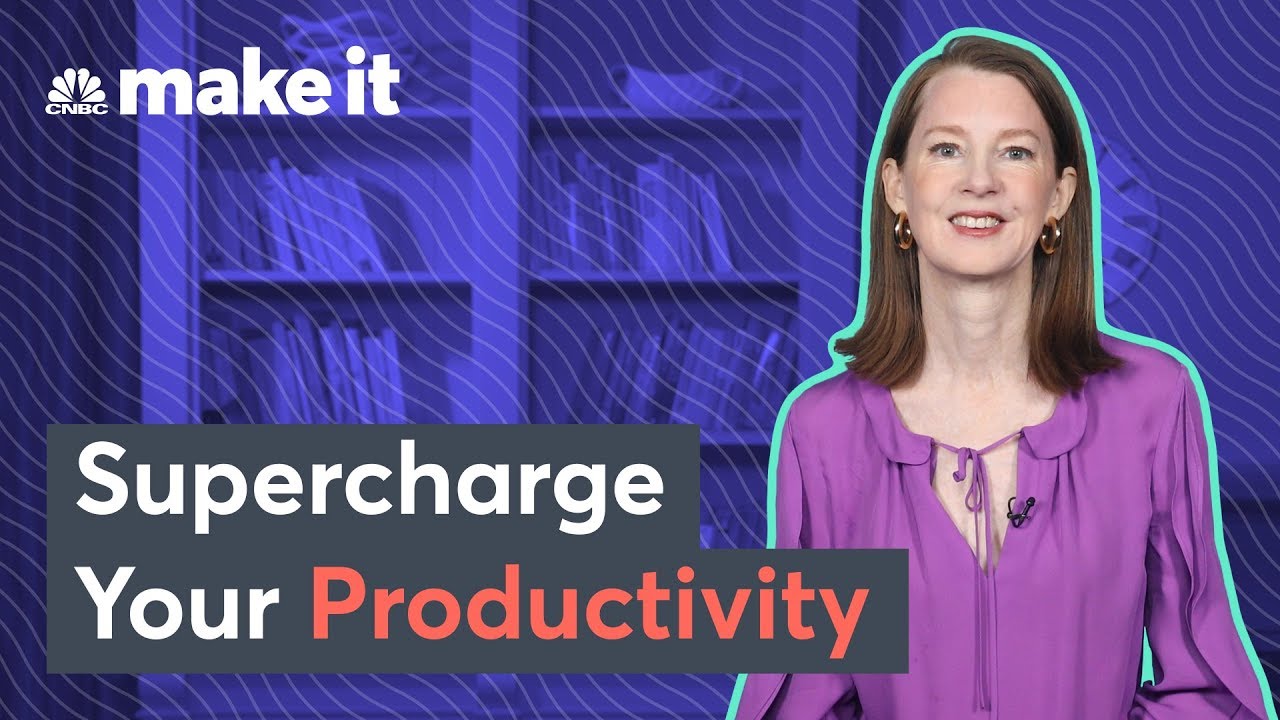
Quit These 2 Bad Habits To Increase Your Productivity – Gretchen Rubin
Posted
April 5, 2019
Views
7,068
Likes
169
Comments
11
Engagement
2.55%
April 5, 2019
7,068
169
11
2.55%
Every word spoken in this episode is indexed. Type any phrase to jump straight to the moment it was said.
Type any word or phrase that may have been spoken. Click a result to seek the player to that exact moment.
Try a name, a topic, or a quoted line
See what was published immediately before and after this episode.
"Outer order contributes to inner calm."
» Subscribe to CNBC Make It.
If you’ve ever felt like physical clutter — at work, at home — is impacting your happiness, then you’re certainly not alone.
In “Outer Order, Inner Calm, ” bestselling author and self-help expert Gretchen Rubin writes that “in my study of happiness, I’ve realized that for most of us, outer order contributes to inner calm.”
“In the context of a happy life, a messy desk or a crowded coat closet is a trivial problem — yet getting control of the stuff of life often makes it easier to feel more in control of our lives in general.”
Rubin spoke with CNBC Make It about how eliminating these two bad habits can help anyone live a happier and more productive life.
1. Avoiding hard decisions
Rubin describes decision fatigue as the practice of “keeping everything, like every toy your child has ever played with, or every document related to a certain project, rather than going through the hard decision-making that’s required to curate or cull through things.”
She says that putting off decision-making can contribute to the mental and physical clutter in our lives, which in turn makes it hard to maintain order.
In a 2012 interview with Vanity Fair, former President Barack Obama said that in order for him to be successful, he had to find ways of avoiding decision fatigue, especially over trivial choices.
“I don’t want to make decisions about what I’m eating or wearing. Because I have too many other decisions to make,” he said. “You need to focus your decision-making energy. You need to routinize yourself. You can’t be going through the day distracted by trivia.”
2. Acquiring items with no plan for where they’ll live
Rubin says anyone who wants to create more order in their life should also stop putting items down anywhere with hopes of remembering where they put them later.
Instead, she says, “everything should have a specific place. Like, there should be a place for your AAA batteries. There should be a place for your three-hole punch. There should be a place where you find a stack of sticky notes.”
Doing this, she says, will “make it easy to move smoothly through our lives, because we aren’t wasting time hunting for things.”
For example, Rubin explains that many people have a bad habit of “just putting something down instead of putting it away. So they’re like, ‘Oh, I’ll just put this down on the edge of this counter,’ and it can end up staying there for six months. Or they just open up a cabinet and see a little bit of white space and toss it in.”
“We often end up buying duplicates of things that we know perfectly well we already own because we can’t find them in a timely way.”
Taking the time to identify and label your items and determine where they should go will not only create a sense of order in your life, it will also, Rubin says, “minimize frustration and wasted time.”
About CNBC Make It.: CNBC Make It. is a new section of CNBC dedicated to making you smarter about managing your business, career, and money.
Connect with CNBC Make It. Online
Get the latest updates
Find CNBC Make It. on Facebook
Find CNBC Make It. on Twitter
Find CNBC Make It. on Instagram
Find CNBC Make It. on LinkedIn
#CNBC
#CNBCMakeIt
#GretchenRubin
Happiness expert Gretchen Rubin says ditching these 2 bad habits can supercharge your productivity | CNBC Make It.
Sentinel Indexing in Progress
Metadata and chapters are available. Claim extraction for this episode is pending.
All video content is delivered via YouTube embedded players in accordance with the YouTube Terms of Service. Sentinel provides research tools that promote discovery and accountability across political media.