Coleman Hughes
@colemanhughesofficial·258K subscribers·656 videos
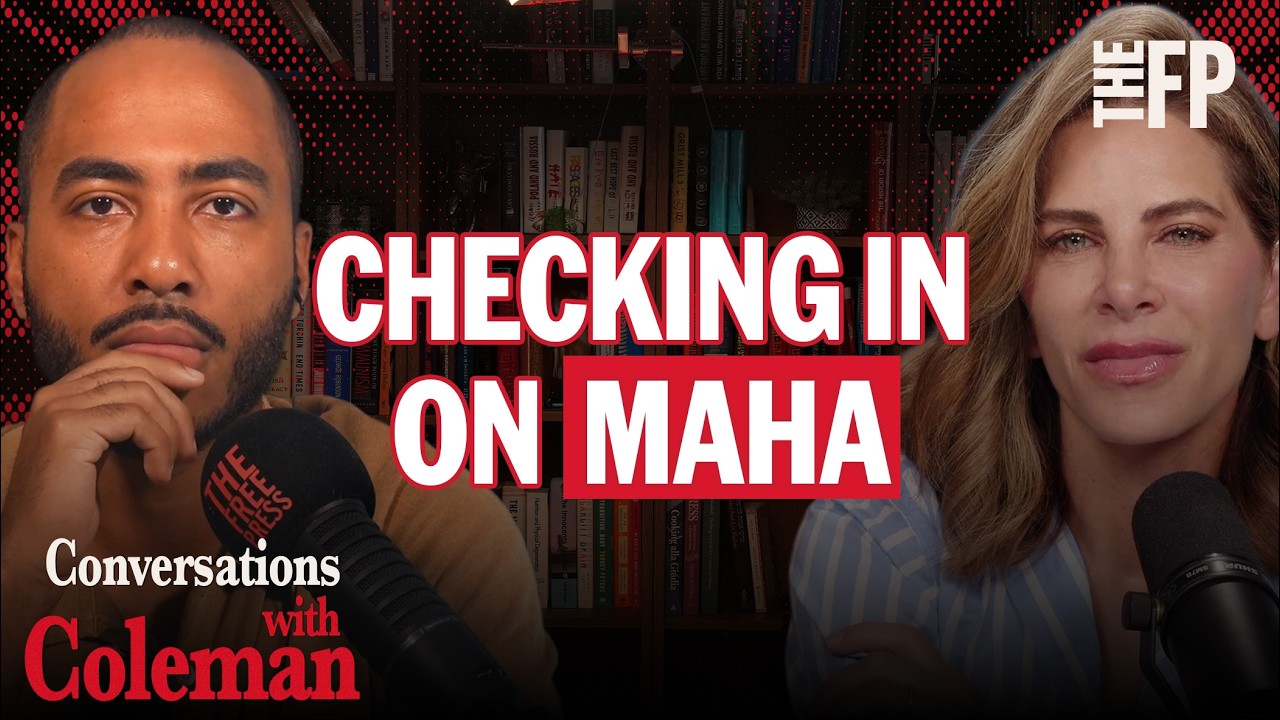
Coleman Challenges Ro Khanna on Israel, the Progressive Left—and 2028
Posted
August 10, 2026
Views
21,791
Likes
837
Comments
793
Engagement
August 10, 2026
21,791
837
793
7.48%
Every word spoken in this episode is indexed. Type any phrase to jump straight to the moment it was said.
Type any word or phrase that may have been spoken. Click a result to seek the player to that exact moment.
Try a name, a topic, or a quoted line
Episode Timeline
Every episode in order around the one you’re watching — click any card and the page flips straight to it.
 52:09Now Playing
Every Democrat weighing a run for president in 2028 is going to claim they understand the working class. Ro Khanna’s pitch is that he actually grew up watching it disappear. He represents Silicon Valley in Congress, but the place he talks about most is his home state of Pennsylvania. That’s where the steel mills and auto plants shut down one by one while the stock market kept climbing. He calls his answer to that progressive capitalism, and he thinks it’s the platform that beats both Donald Trump’s economic nationalism and the socialism rising within his party.
We started somewhere Khanna rarely gets credit for on the left—he was one of the only prominent Democrats to defend the Hunter Biden laptop story on free speech grounds. From there I asked him the question every Democratic candidate dodges once they’re actually in power: whether he’d seek congressional approval before using military force, given that presidents Barack Obama and Joe Biden both promised the same restraint and abandoned it in office.
He then walked me through what progressive capitalism actually means in practice, and his argument for targeted tariffs on steel and trucks instead of Trump’s blanket approach. He also made his pitch for why Democratic voters weighing him against Alexandria Ocasio-Cortez should give him a real look. He was candid about where the party has talked a good game and failed to deliver, even under leaders he otherwise respects.
We also got into Israel, where Khanna has shifted the most since taking office. He used to call himself a pro-Israel progressive. Now he argues the war in Gaza amounted to genocide, and he didn’t walk that back when I pushed him on it. I made the case that genocide requires intent to destroy a people, and argued that Israel ending the war, once hostages were returned and Hamas agreed to disarm, undercuts that claim. Khanna pushed back, arguing similar terms had been on the table for most of the war and Israel only took them once American public opinion turned. He closed on something we both agree on: Whatever happens with 2028, the country could use a little more humility in how people disagree.
Sentinel Indexing in Progress
Metadata and chapters are available. Claim extraction for this episode is pending.
All video content is delivered via YouTube embedded players in accordance with the YouTube Terms of Service. Sentinel provides research tools that promote discovery and accountability across political media.