C-SPAN
@CSPAN·1.8M subscribers·15.6K videos
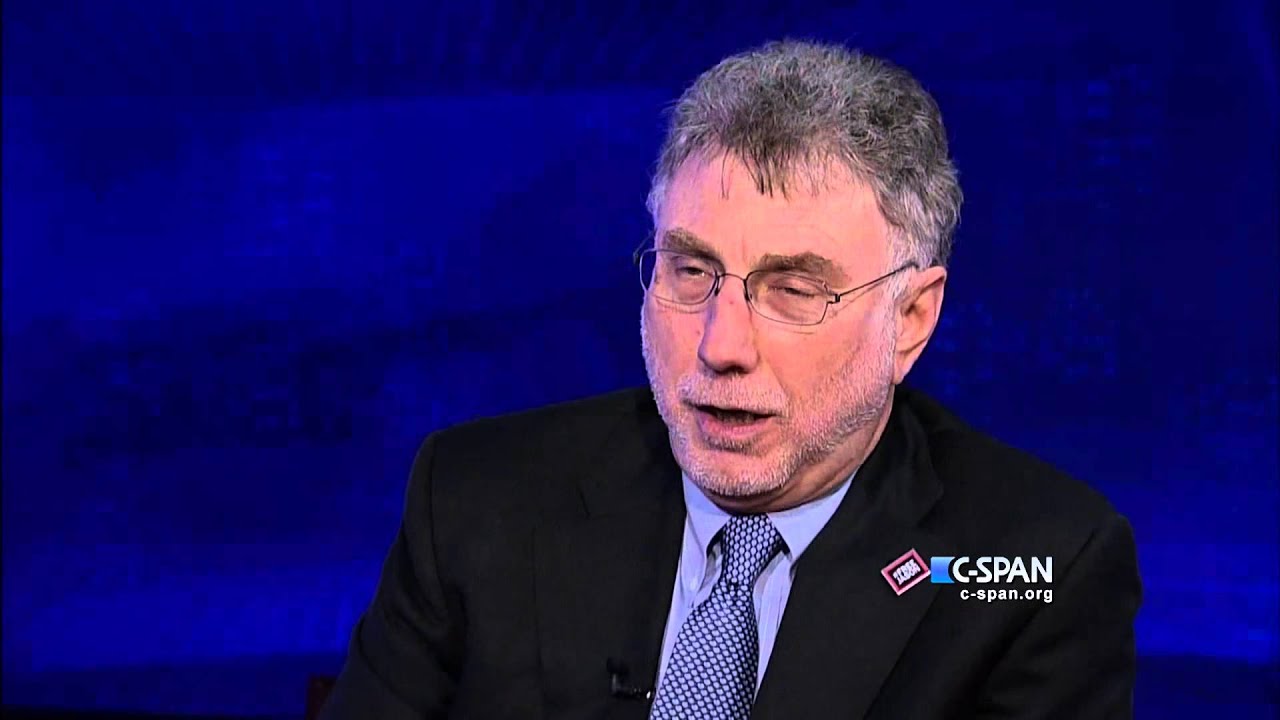
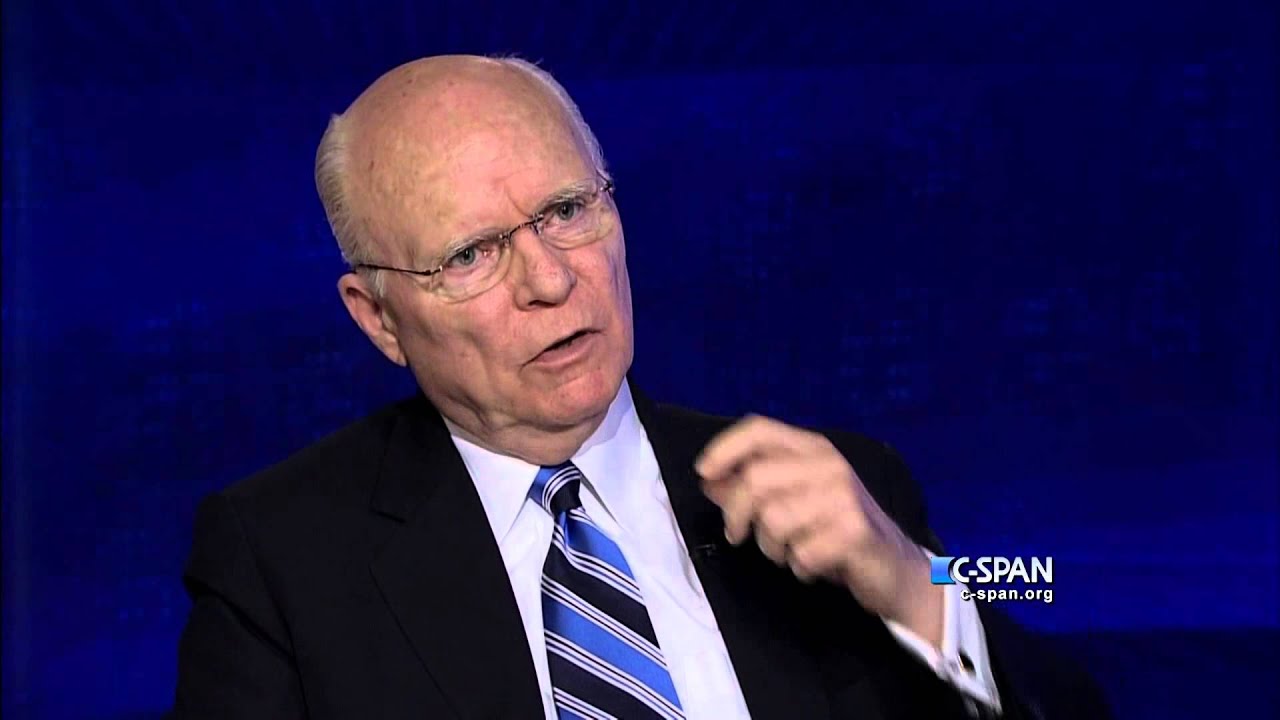
Marty Baron on Washington Post transitions (C-SPAN)
Posted
January 7, 2016
Views
557
Likes
2
Engagement
0.36%
January 7, 2016
557
2
0.36%
Every word spoken in this episode is indexed. Type any phrase to jump straight to the moment it was said.
Type any word or phrase that may have been spoken. Click a result to seek the player to that exact moment.
Try a name, a topic, or a quoted line
See what was published immediately before and after this episode.
 2:38Now Playing
C-SPAN: How has the Post changed since it went from the Graham ownership to Jeff Bezos, and you were there in the middle of all that?
BARON: Well, I think you just heard some of that. First of all, we changed our strategy. The strategy in the previous era was articulated as for and about Washington. And of course, while they're really important national things happening in Washington given that it is the capitol of the country, we did not see ourselves as a national news organization. A true national news organization.
Now, under Jeff Bezos, our strategy is to become a true national news organization, and then maybe even international over time. And so that's a significant change. How do we do that? We do that because we now live in a digital era and we have an opportunity to reinvent ourselves in a -- in a digital era and to reach many more people -- millions of people -- we haven't been able to reach before.
We don't have to deliver a newspaper to their doorstep. We don't have to print a newspaper piggy-backing on presses of other newspapers around the country. They can read us on our website, they can read us through Facebook, they can read us through, you know, via twitter. However they wish to read us. And so we've really reinvented ourselves for a digital age and for a national audience.
C-SPAN: Obvious question, I -- I've been here when the post had a daily circulation of 830,000, it's now down to 320,000 or whatever. Will it eventually go -- just to digital?
BARON: Well, eventually is a long time. So...
C-SPAN: I mean, your lifetime.
BARON: In my lifetime? Well, I don't know. We'll see how long...
(CROSSTALK)
BARON: My business lifetime, that's another question. I would imagine, and I'm 61, so in my business lifetime, my guess is there will continue to be a print product. Our print readers are tremendous readers. We really value them. We want to give them the best product possible. The best journalism possible. And they are extremely loyal and we should be loyal to them as well.
So I think that those readers will be there for a long time because they -- they really love to read in print. They're very attached to it. And so I think we'll have a print product for quite some time. But the trend is pretty clear. The trend of print-readership is -- is down. That's true of every newspaper in the United States and it's -- it's true of pretty much every newspaper in the developed world.
So -- and -- but with -- on the internet, our audience is growing dramatically. We have far more readerships of the Washington Post today than we've ever had in the history of the Washington Post.
Watch the complete Q&A with Marty Baron on Sunday, January 10 at 8pm ET on CSPAN.
Sentinel Indexing in Progress
Metadata and chapters are available. Claim extraction for this episode is pending.
All video content is delivered via YouTube embedded players in accordance with the YouTube Terms of Service. Sentinel provides research tools that promote discovery and accountability across political media.