Daniel Davis Deep Dive
@danieldavisdeepdive·442K subscribers·4.9K videos
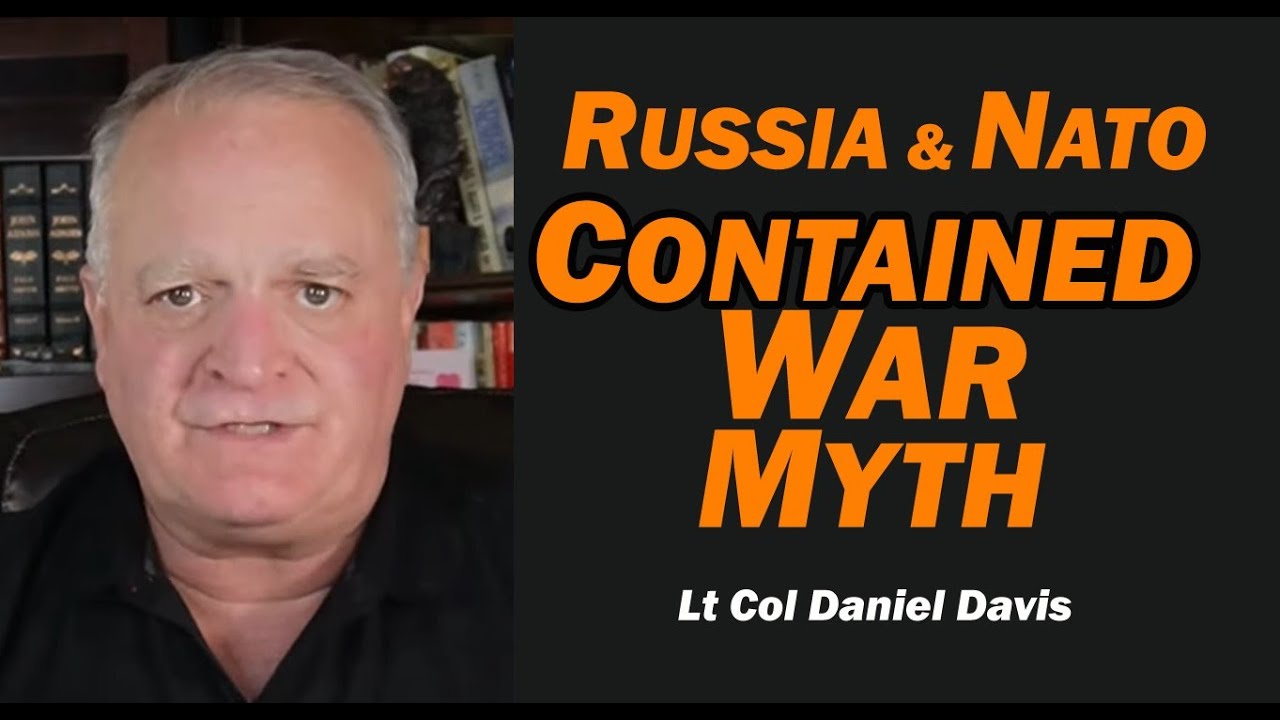
Russia and NATO Contained War Myth /Lt Col Daniel Davis
Posted
October 26, 2025
Views
28,905
Likes
1,715
Comments
301
Engagement
October 26, 2025
28,905
1,715
301
6.97%
Every word spoken in this episode is indexed. Type any phrase to jump straight to the moment it was said.
Type any word or phrase that may have been spoken. Click a result to seek the player to that exact moment.
Try a name, a topic, or a quoted line
 12:01Now Playing
Daniel Davis Deep Dive Merch: Etsy store
Danny argues that Ukraine is increasingly resource-strained and overmatched by Russia’s far greater capacity for missile and drone production. Despite Ukrainian ingenuity—using drones to fight drones and conserving Patriot missiles—the math of both weapons and manpower no longer works in Ukraine’s favor. Russia can launch hundreds of aerial attacks nightly, while Ukraine can only respond with a few, achieving little strategic effect.
They note that many key Russian military and industrial sites are located deep within the country, beyond Ukraine’s reach even with long-range Western weapons. Thus, Ukraine’s strikes cause disruption but not decisive damage.
The speaker criticizes Western leaders for escalating the conflict while claiming they want peace, saying Russia has always been “at the table” diplomatically but refuses to surrender on Western terms. They warn that some in the West seem to want escalation—possibly even a wider war—under the illusion it could stay conventional and “contained.”
The humanitarian toll is highlighted: for every Russian soldier’s body returned, roughly 35–45 Ukrainians are reportedly exchanged, showing catastrophic Ukrainian losses. Yet Western analysts insist Russia’s advance is “slow,” a contradiction the speaker mocks as detached from battlefield reality.
They also fault Western governments for failing to respond decisively to recent attacks on allied oil infrastructure, arguing this inaction erodes unity and benefits Russia.
The commentary turns philosophical near the end—comparing today’s drift toward escalation to the diplomatic missteps that caused World War I. Then, poor communications led to unintended war; today, instant communication exists, but leaders lack the capacity to process reality. Western officials, the speaker concludes, are deluding themselves into thinking they can “create their own reality” by force—risking an even greater global catastrophe.
Sentinel Indexing in Progress
Metadata and chapters are available. Claim extraction for this episode is pending.
All video content is delivered via YouTube embedded players in accordance with the YouTube Terms of Service. Sentinel provides research tools that promote discovery and accountability across political media.