Daniel Davis Deep Dive
@danieldavisdeepdive·442K subscribers·4.9K videos
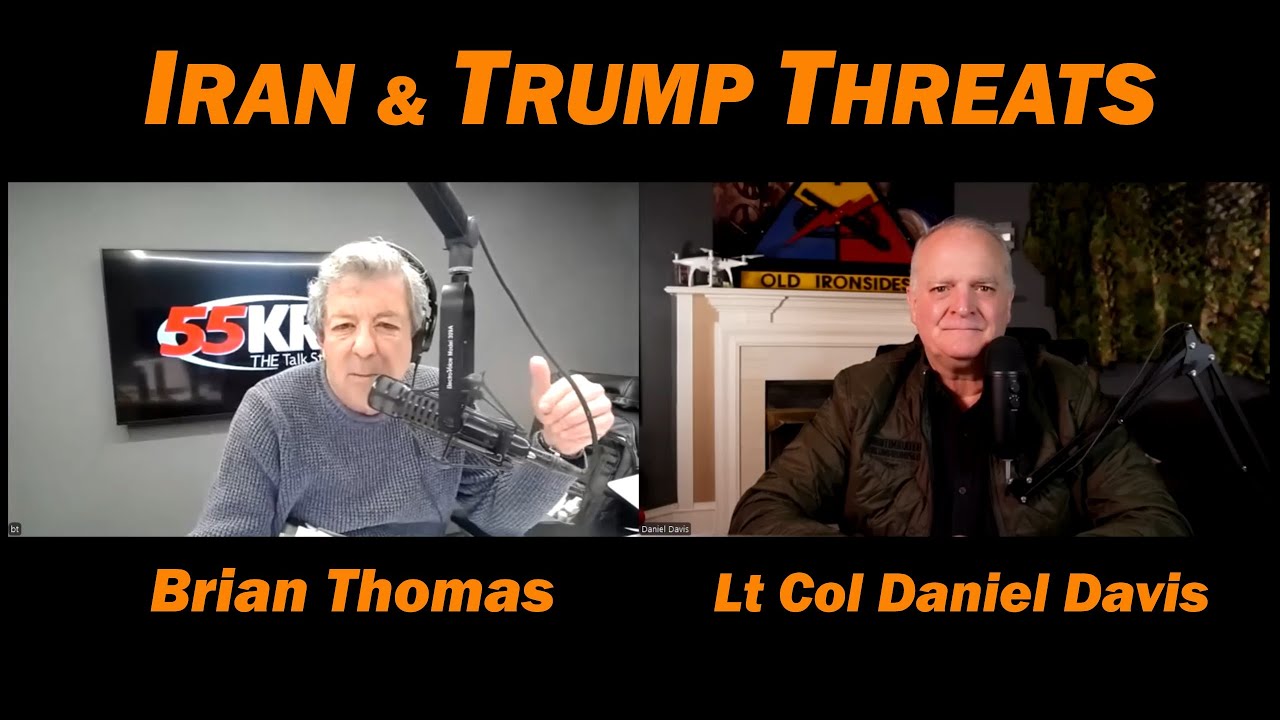
What Must Happen Before Trump Strikes Iran /Larry Johnson & Lt Col Daniel Davis
Posted
January 13, 2026
Views
93,868
Likes
4,906
Comments
801
Engagement
January 13, 2026
93,868
4,906
801
6.08%
Every word spoken in this episode is indexed. Type any phrase to jump straight to the moment it was said.
Type any word or phrase that may have been spoken. Click a result to seek the player to that exact moment.
Try a name, a topic, or a quoted line
 25:27Now Playing
** NEW MERCH ** Jackets & Sweatshirts, Thermo Mugs!!
Daniel Davis Deep Dive Merch: Etsy store
The discussion argues that Iran does not trust U.S. calls for negotiation, especially given past U.S. actions and President Trump’s rhetoric. The speakers stress that a U.S. military strike on Iran is unlikely in the near term because key military preparations are missing—such as carrier strike groups in the region, additional air squadrons, and hardened or evacuated U.S. bases. However, non-kinetic actions like cyber warfare or sanctions remain possible.
They warn that Trump’s tough talk may be reckless and disconnected from actual U.S. capabilities, raising the risk of limited missile strikes launched without adequate planning or rescue capacity. Iran, unlike Iraq in 2003, is far larger, better prepared, and has dispersed missile forces; it would retaliate immediately against U.S. bases, close the Strait of Hormuz, and trigger a massive global oil and economic shock.
The conversation broadens to global implications: U.S. threats and military actions worldwide undermine American credibility and diplomacy. Russia and China are portrayed as concluding that the U.S. is unreliable and dangerous, pushing them closer together militarily and diplomatically. Russia, in particular, is said to be abandoning faith in negotiations and moving toward a harder military posture, while China carefully watches U.S. behavior.
Overall, the speakers argue that Trump’s rhetoric and willingness to use force have shifted global dynamics toward greater confrontation, weakened prospects for diplomacy with Iran, Russia, and China, and increased the risk that a localized strike could rapidly escalate into a wider war.
Sentinel Indexing in Progress
Metadata and chapters are available. Claim extraction for this episode is pending.
All video content is delivered via YouTube embedded players in accordance with the YouTube Terms of Service. Sentinel provides research tools that promote discovery and accountability across political media.