Daniel Davis Deep Dive
@danieldavisdeepdive·442K subscribers·4.9K videos
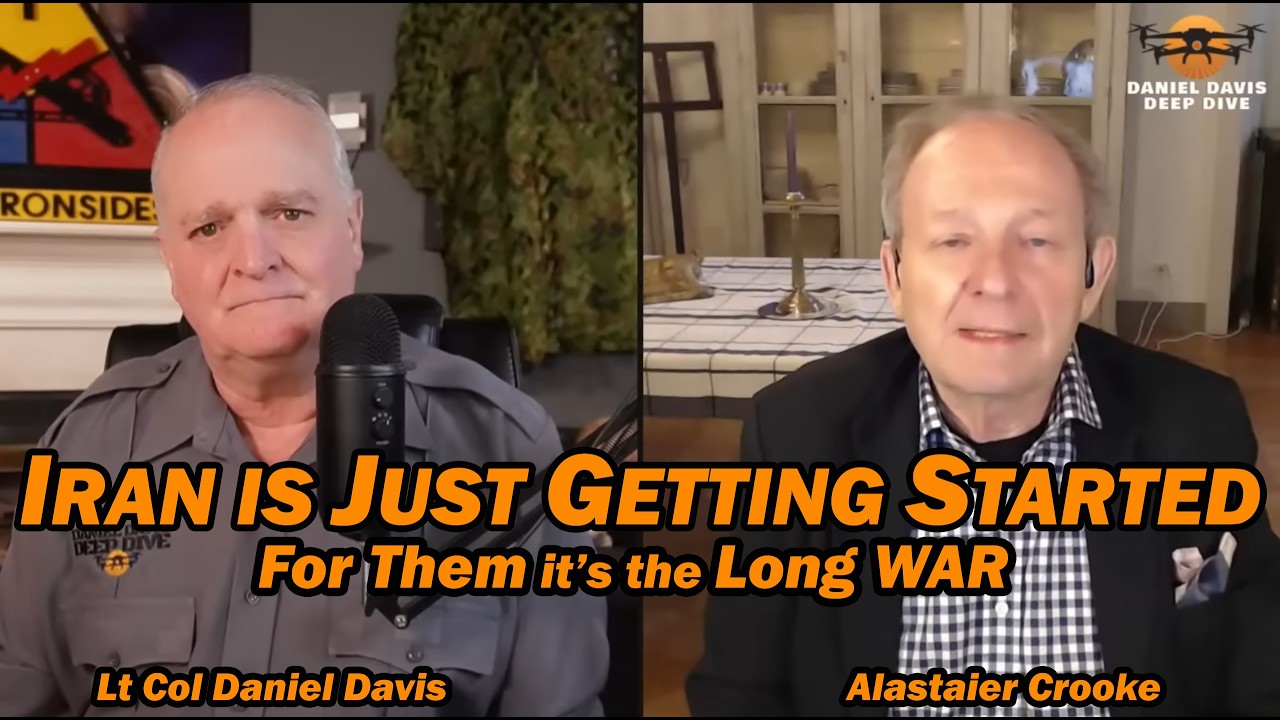
IRAN is JUST GETTING STARTED /Alastair Crooke & Lt Col Daniel Davis
Posted
March 15, 2026
Views
298,235
Likes
13,498
Comments
1,860
Engagement
March 15, 2026
298,235
13,498
1,860
5.15%
Every word spoken in this episode is indexed. Type any phrase to jump straight to the moment it was said.
Type any word or phrase that may have been spoken. Click a result to seek the player to that exact moment.
Try a name, a topic, or a quoted line
 30:18Now Playing
** NEW MERCH ** Jackets & Sweatshirts, Thermo Mugs!!
Daniel Davis Deep Dive Merch: Etsy store
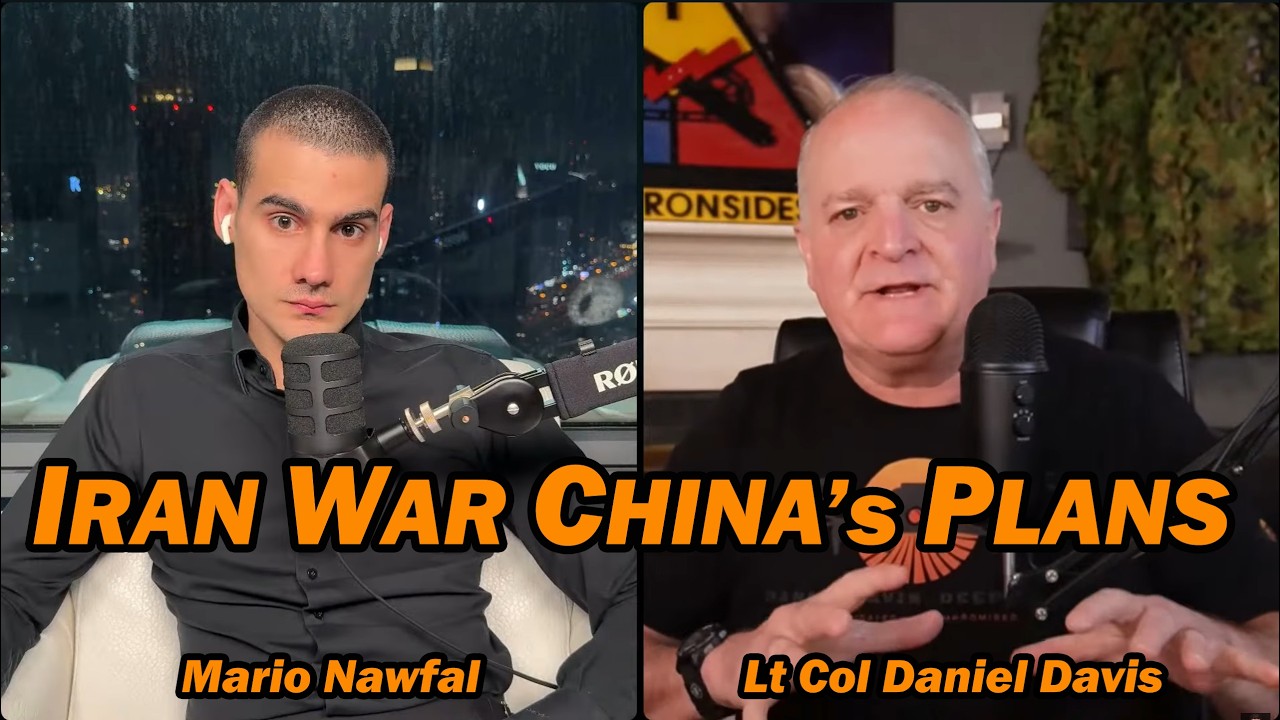
Alastair Crooke argues that even if the U.S. and Israel have overwhelming conventional military power, they could still suffer a strategic loss if they cannot destroy Iran’s deeply buried assets or reopen the Strait of Hormuz. Running out of effective options while objectives remain unmet would mean failure.
Iran has designed its command structure to survive “decapitation strikes.” Leadership and command are dispersed, with multiple layers of replacements and pre-planned orders. Even if top leaders are killed, operations continue automatically under sealed contingency plans.
Claims that the U.S. has “unlimited ammunition” are dismissed as unrealistic. Missile defense systems in Israel and Gulf states are reportedly being depleted, and some Iranian missiles travel too fast for existing interceptors to reliably stop.
Iran is believed to be deliberately pacing its missile use, firing older systems to exhaust enemy interceptors while conserving more advanced missiles for later stages of the conflict.
According to the speaker, Iran has built missile stockpiles for over two decades and could potentially sustain operations for two years or more, contradicting claims they would run out within weeks.
Iran’s strategic goal is likely to deter future attacks permanently by demonstrating the ability to inflict sustained military and economic damage.
If the Strait of Hormuz remains closed for months, the consequences could include global financial disruption, instability in Gulf monarchies, capital flight from regional financial hubs, and a shift in energy and financial power toward Iran.
The broader argument is that Iran is fighting an asymmetric war, aiming not to defeat the U.S. militarily but to undermine its regional system of power, financial stability, and control of energy shipping routes.
Sentinel Indexing in Progress
Metadata and chapters are available. Claim extraction for this episode is pending.
All video content is delivered via YouTube embedded players in accordance with the YouTube Terms of Service. Sentinel provides research tools that promote discovery and accountability across political media.