Decoding Geopolitics Podcast with Dominik Presl
@decodinggeopoliticspodcast·119K subscribers·282 videos
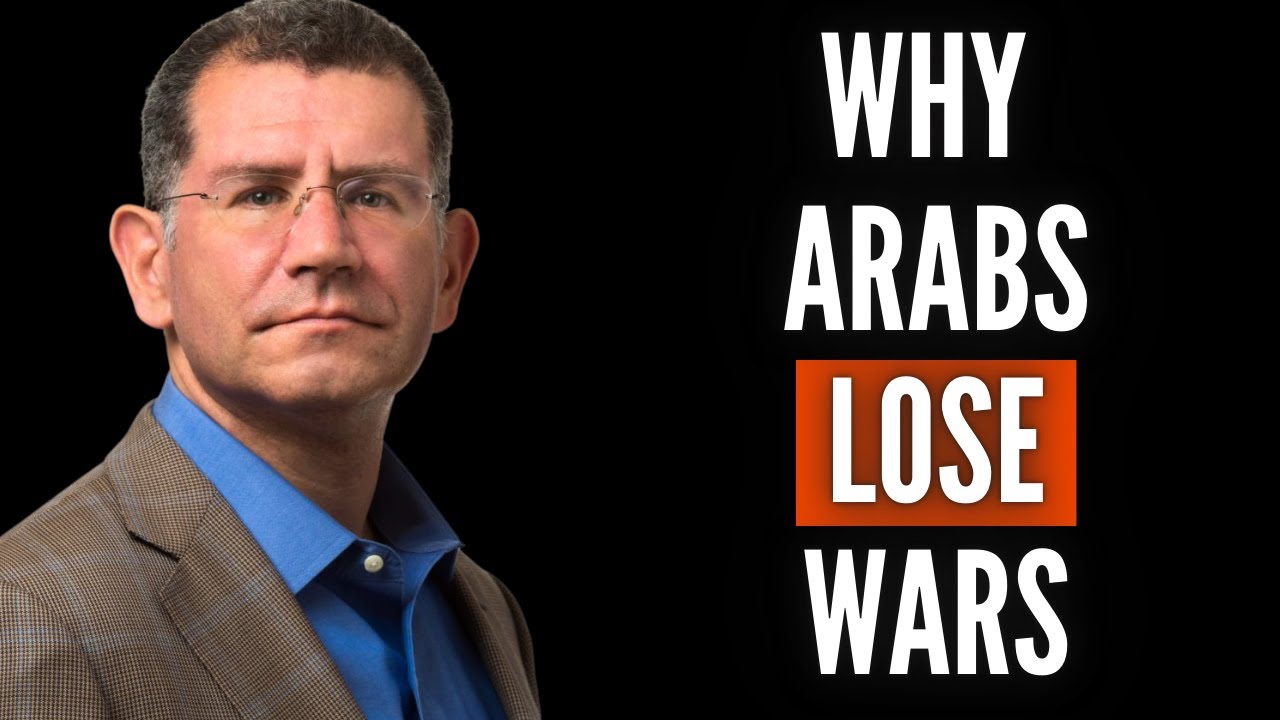
CIA Analyst Explains Why Arab Militaries Lose Wars
Posted
November 24, 2024
Views
19,030
Likes
560
Comments
138
November 24, 2024
19,030
560
138
3.67%
Every word spoken in this episode is indexed. Type any phrase to jump straight to the moment it was said.
Type any word or phrase that may have been spoken. Click a result to seek the player to that exact moment.
Try a name, a topic, or a quoted line
 51:13Now Playing
➡️ If you enjoy this podcast and you want to help to make its existence possible, join our community of geopolitics enthusiasts on PATREON
Sign up to my upcoming geopolitics newsletter
Thank you Conducttr for sponsoring the podcast. Take a look at Conducttr's services and its crisis exercise software at
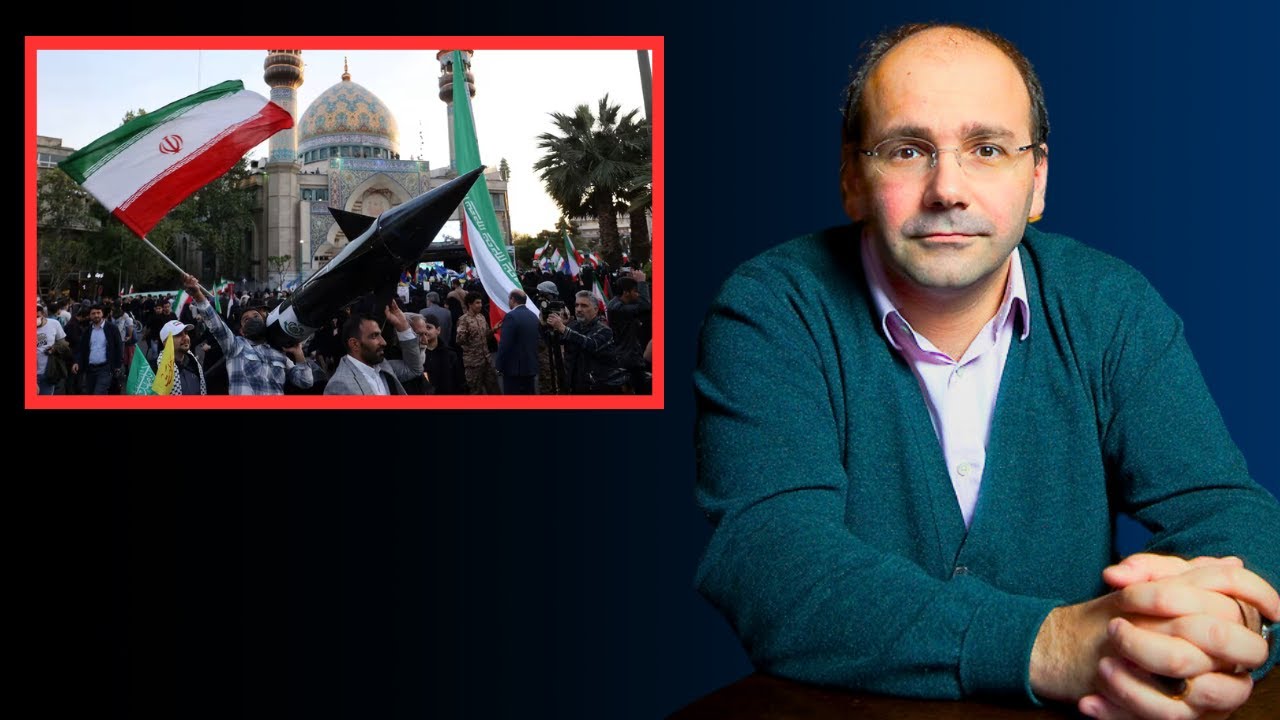
This is a conversation with Kenneth Pollack about one single question - why do militaries of Arab nations, despite often having superiority in numbers and better equipment than their opponents, tend to hugely underperform in modern military conflicts? And often end up losing wars which in theory they should win? It’s a question that has been asked by many but no one knows more about it than my guest.
He spent 30 years as an analyst in the CIA studying the Middle East and the militaries of both U.S. partners and adversaries. After leaving the CIA he became an academic and dedicated his academic career to answering this question. And so this is what we talk about - what is the real reason that Arab militaries tend to be notoriously ineffective, how does culture, economy or politics influence how they fight or why do organizations like Hezbollah seem to defy this rule and are a lot more effective than many larger and better equipped traditional Arab armies.
Sentinel Indexing in Progress
Metadata and chapters are available. Claim extraction for this episode is pending.
All video content is delivered via YouTube embedded players in accordance with the YouTube Terms of Service. Sentinel provides research tools that promote discovery and accountability across political media.