Divine Mercy
@divinemercy_official·593K subscribers·8.2K videos
The Hero Behind the Coward: Why Despair is the Greatest Sin
Posted
March 31, 2026
Views
36,805
Likes
2,094
Comments
105
Engagement
5.97%
March 31, 2026
36,805
2,094
105
5.97%
Every word spoken in this episode is indexed. Type any phrase to jump straight to the moment it was said.
Type any word or phrase that may have been spoken. Click a result to seek the player to that exact moment.
Try a name, a topic, or a quoted line
 17:11Now Playing
The readings for this homily
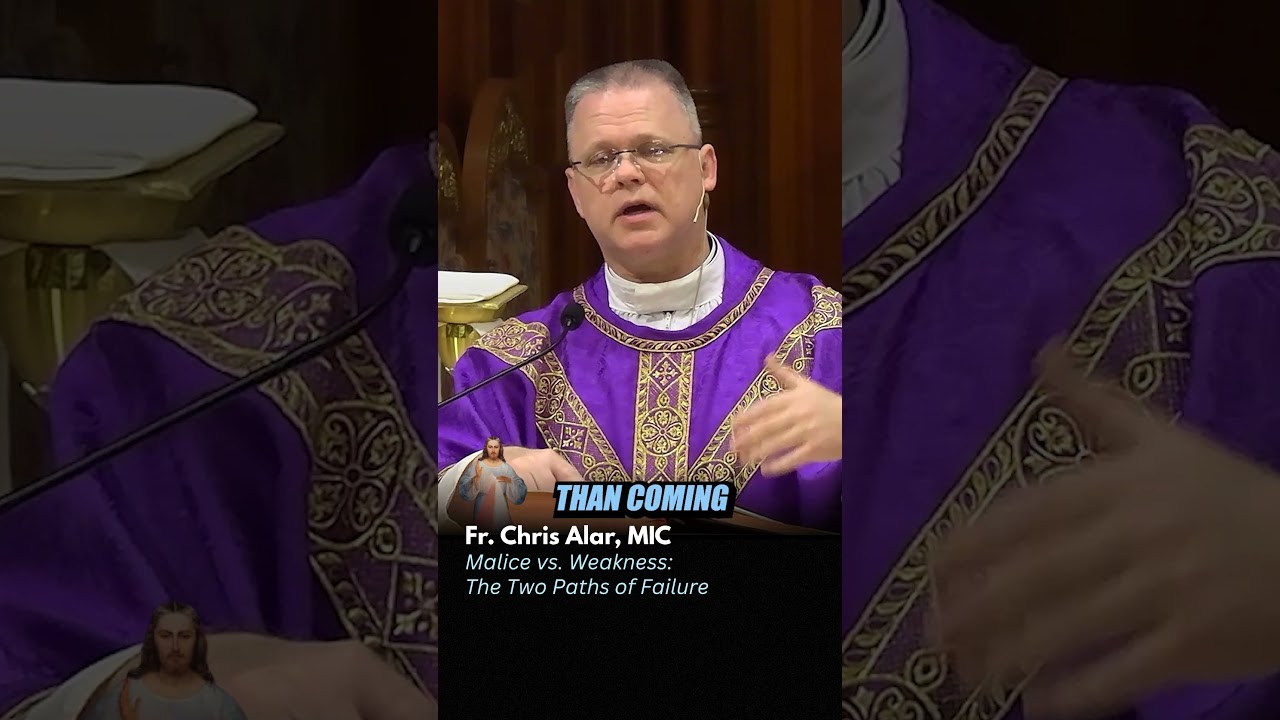
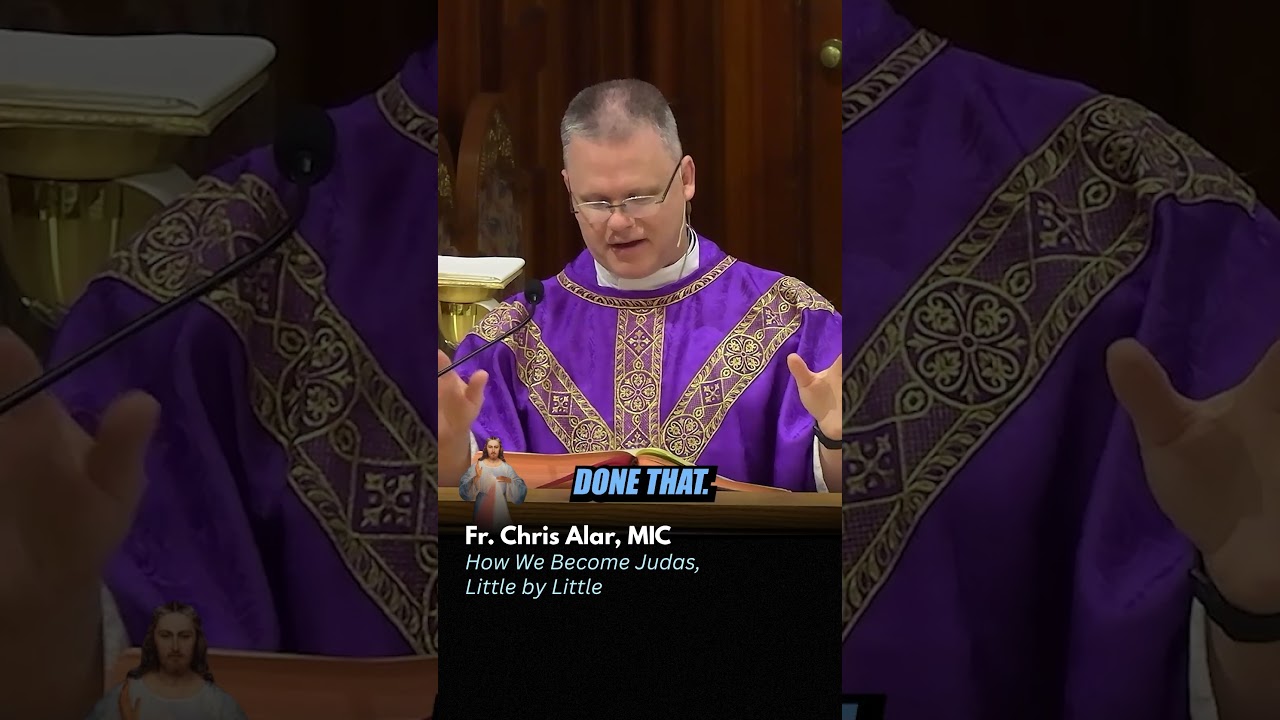
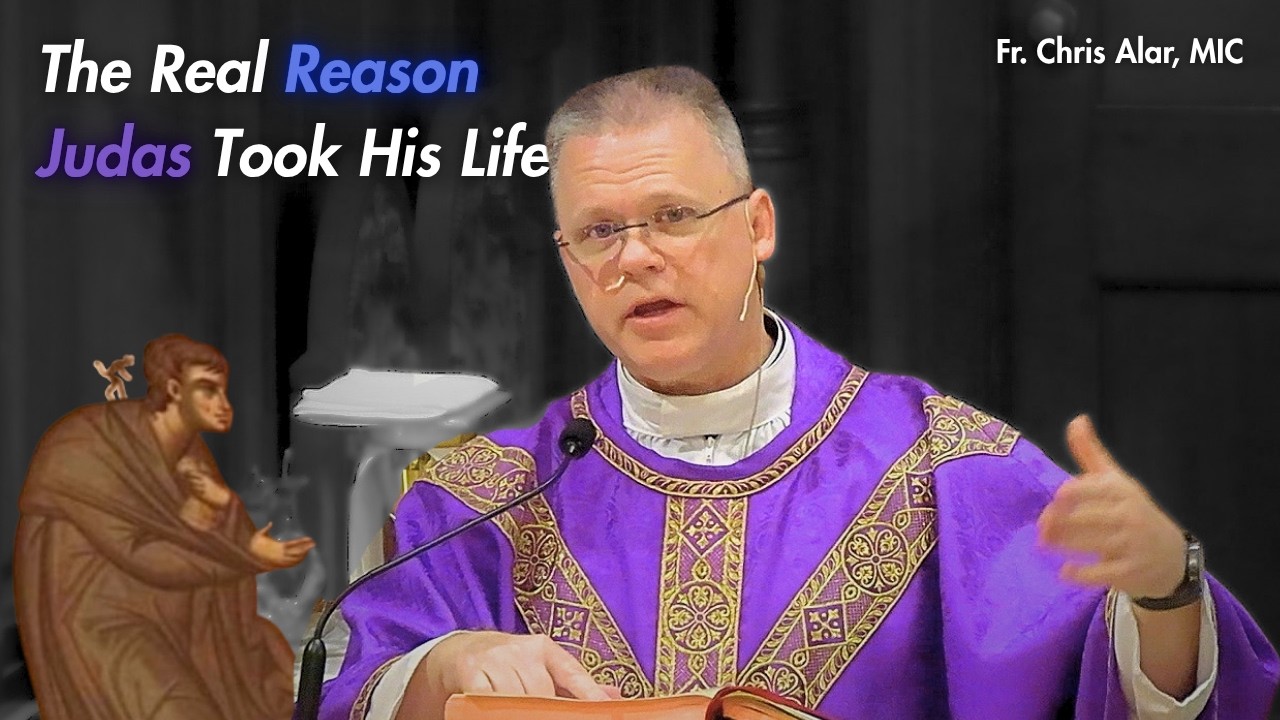
The Gospel of John presents a unique and haunting scene at the Last Supper. Unlike the Synoptic Gospels, which focus on the institution of the Eucharist, John zooms in on the tragic figure of Judas Iscariot. As Fr. Chris Alar, MIC, explains, the seating arrangement at that fateful meal was likely U-shaped, placing Judas on Jesus' left—a position of honor. By handing him the morsel of bread, Jesus was offering a final sign of respect and affection, a desperate attempt to reach the heart of a man who had already decided to betray Him.
Father Chris draws a sharp distinction between the failures of Peter and Judas. Both men failed Jesus, but their sins stemmed from different roots. Peter’s denial was born of weakness and fear; he was overwhelmed by emotion and the pressure of the moment. Judas, however, acted out of malice. He was angry that Jesus was not the conquering hero he expected, but a meek and humble servant. This anger festered until it turned into a deliberate intent to destroy. The Church teaches that while all sin is grave, sin committed with malice is far more dangerous than sin born of human weakness.
The tragedy of Judas was not merely the betrayal itself, but his refusal to accept God’s mercy afterward. According to the Church Fathers and Dante’s Inferno, Judas occupies the deepest circle of hell not because he betrayed Jesus, but because he despaired of forgiveness. He took his own life, convinced that his sin was too great to be forgiven. This is the ultimate warning for us: despair is the sin that closes the door to salvation. Even after betraying the Son of God, Judas could have been saved if he had only turned back to the mercy of the Father.
Father Chris reminds us that Jesus sees not only who we are in our brokenness but who we can become. He saw the hero in Peter before the coward emerged. He knows our weaknesses, our fears, and our emotional storms. He does not demand perfection; He demands our willingness to return. If you have stumbled this week, do not fall into the trap of Judas. Do not let shame or fear convince you that you are beyond redemption.
As we approach Divine Mercy Sunday on April 12, we are invited to a total redo. This is a day when the ocean of God’s mercy is poured out for those who trust in His goodness. Whether your failures stem from fear, weakness, or a moment of poor judgment, Jesus is waiting to lift you up. He wants to transform your weakness into strength, your fear into courage, and your despair into hope. Do not reject His love. Do not close your heart to His forgiveness. And always say, “Jesus I trust in You.”
⭐️ Support our Ministries:
✝️ Explore Divine Mercy on Divine Mercy Plus!
⛪️ Plan Your Visit to the National Shrine of The Divine Mercy!
Follow Us on Social Media!
Sentinel Indexing in Progress
Metadata and chapters are available. Claim extraction for this episode is pending.
All video content is delivered via YouTube embedded players in accordance with the YouTube Terms of Service. Sentinel provides research tools that promote discovery and accountability across political media.