Djvlad
@vladtv·6.4M subscribers·40.2K videos
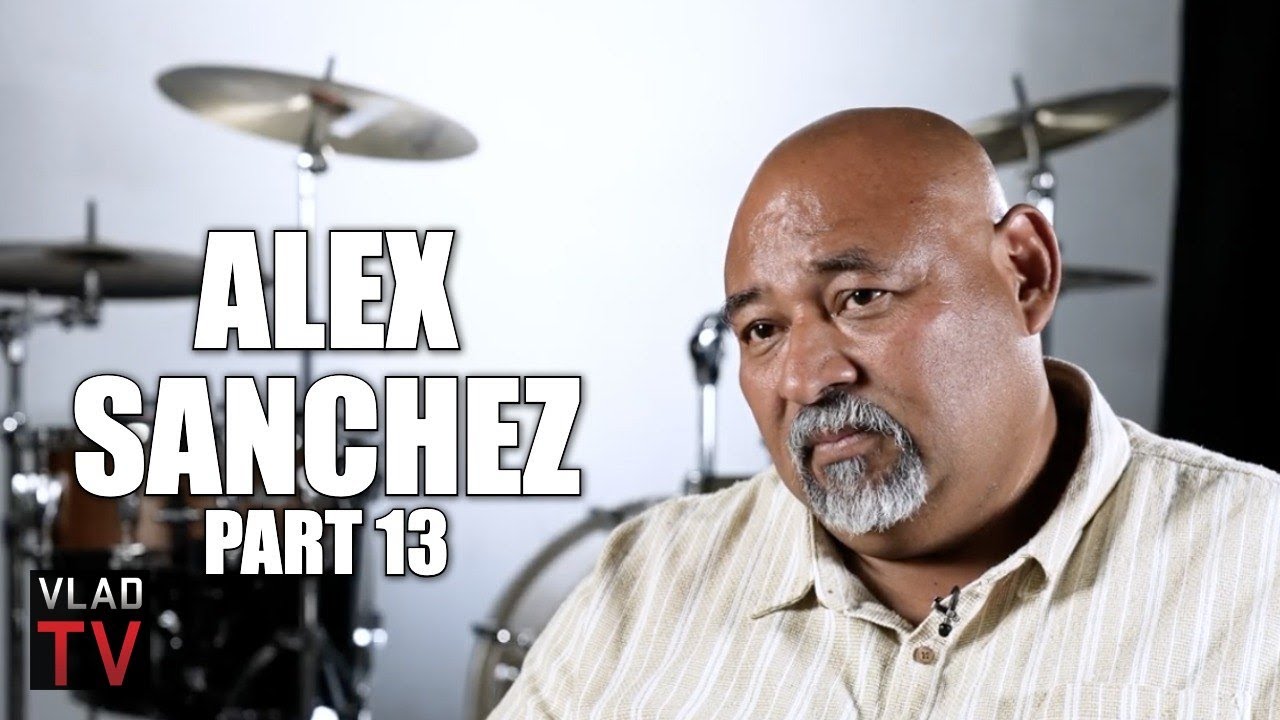
Alex Sanchez on MS-13 Labeled World's Most Dangerous Gang: That Became a Recruitment Tool (Part 13)
Posted
August 5, 2025
Views
25,712
Likes
373
Comments
119
Engagement
1.91%
August 5, 2025
25,712
373
119
1.91%
Every word spoken in this episode is indexed. Type any phrase to jump straight to the moment it was said.
Type any word or phrase that may have been spoken. Click a result to seek the player to that exact moment.
Try a name, a topic, or a quoted line
 15:55Now Playing
Watch full interviews early, uncensored and adfree as a Member
Watch this Full Interview
--------
Alex Sanchez, a former gang member turned advocate, sheds light on how MS-13’s notoriety as the "world’s most dangerous gang" ironically fueled its recruitment. The gang’s violent acts, including notorious massacres like the 2004 bus shooting in Honduras, brought international attention and harsh crackdowns across Central America and the U.S. While brutal prison massacres and extrajudicial killings escalated the violence, Sanchez reveals a deeper political dimension. Governments in El Salvador, Honduras, and beyond exploited gangs as political tools, funding them to suppress votes during elections. Notably, former Salvadoran mayor Nayib Bukele reportedly gained gang support during his political rise. Sanchez argues these systemic dynamics transformed MS-13’s evolution and sustained its power despite law enforcement efforts and crackdowns. He emphasizes that labeling MS-13 as the deadliest gang ironically enhanced their status, making the title a twisted badge of honor that helped bolster recruitment in vulnerable communities.
Sentinel Indexing in Progress
Metadata and chapters are available. Claim extraction for this episode is pending.
All video content is delivered via YouTube embedded players in accordance with the YouTube Terms of Service. Sentinel provides research tools that promote discovery and accountability across political media.