Djvlad
@vladtv·6.4M subscribers·40.2K videos
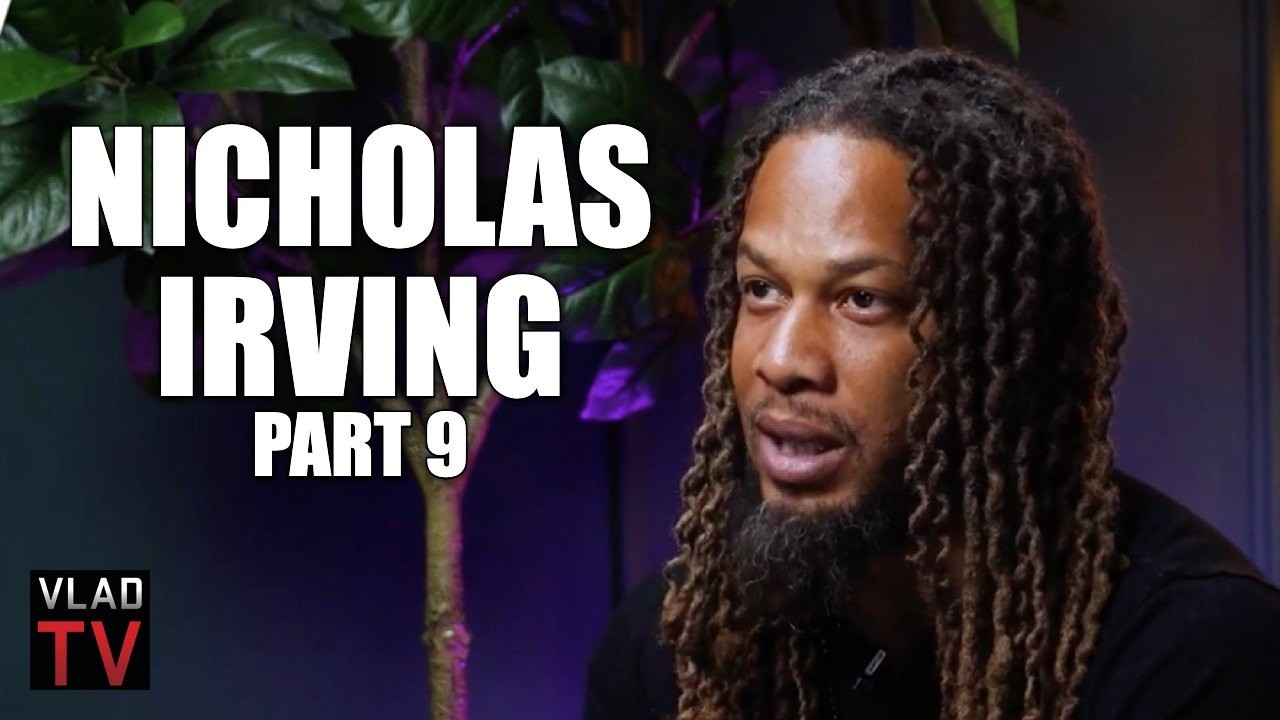
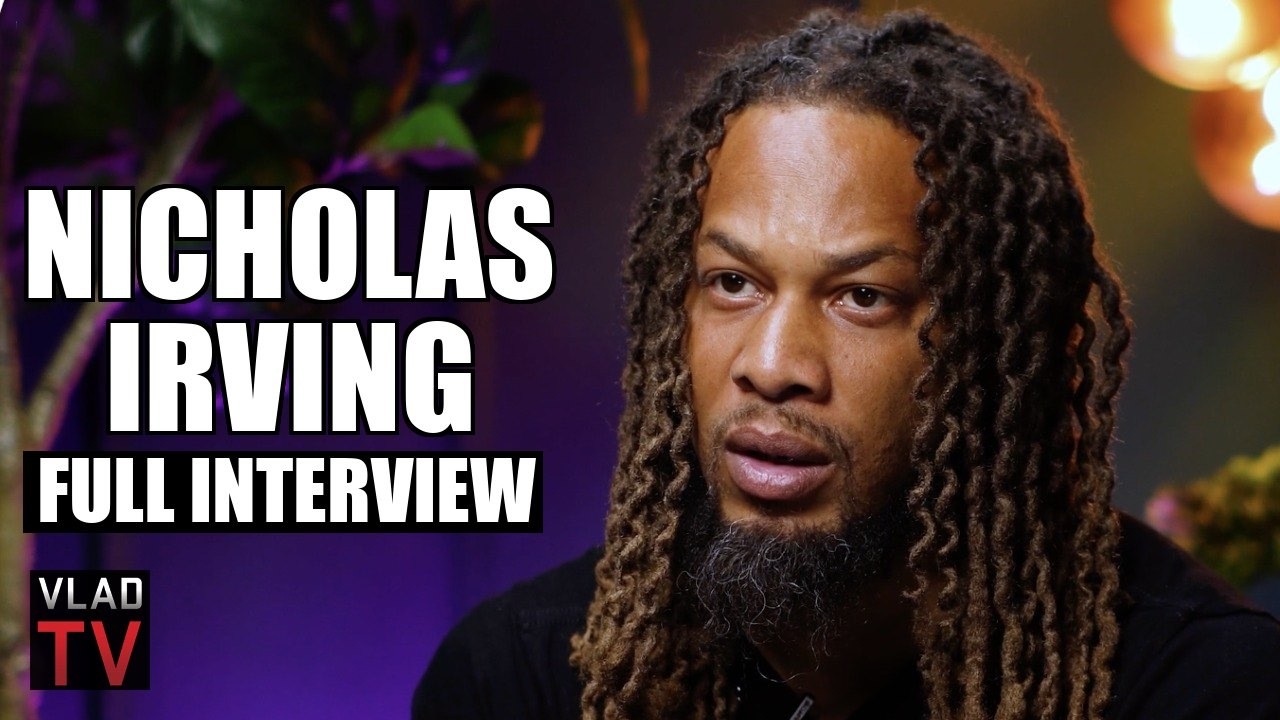
Nicholas Irving: War at 100 Days, Could Last to 2027, Trump Avoids Escalation (Full Interview)
Posted
June 14, 2026
Views
15,610
Likes
600
Comments
117
Engagement
4.59%
June 14, 2026
15,610
600
117
4.59%
Every word spoken in this episode is indexed. Type any phrase to jump straight to the moment it was said.
Type any word or phrase that may have been spoken. Click a result to seek the player to that exact moment.
Try a name, a topic, or a quoted line
 1:20:31Now Playing
Watch the FULL uncensored interview early — become a VladTV YouTube Member now:
⸻
Former Army Ranger sniper Nicholas Irving and Shawn Prez return to VladTV to analyze the escalating conflict in the Middle East as the war enters its 97th day, with no clear resolution in sight.
Drawing on his military experience, Irving explains why he believes the conflict is far more complex than many media narratives suggest. He points to historical examples of prolonged wars and insurgencies, arguing that ideological conflicts rarely end quickly and often become increasingly difficult to contain over time.
The discussion focuses heavily on Iran’s internal dynamics, with Irving describing the fractured nature of the regime and the challenges facing both regional and international powers attempting to influence events. He and Shawn Prez examine the motivations of Iran’s leadership, including how personal losses suffered by key figures may impact future decision-making and harden resistance to outside pressure.
Irving also criticizes what he sees as a lack of a clearly defined U.S. strategy, questioning whether current military actions are producing meaningful long-term objectives. The conversation explores the economic consequences of the conflict, including rising energy prices, inflation concerns, and the broader impact on global markets.
The interview then shifts to recent military developments, including U.S. missile strikes and Iran’s increasingly defiant rhetoric toward neighboring countries. Irving predicts the possibility of a second phase of escalation within weeks, while Prez questions whether the current administration is willing to fully commit to a larger conflict. Together, they debate whether diplomacy, military pressure, or strategic compromise offers the best path forward.
Additional topics include the role of Israel in the conflict, NATO’s position, shifting global alliances, and how prolonged warfare affects both public opinion and political leadership. Irving emphasizes that many modern conflicts become wars of endurance rather than decisive victories, making the long-term consequences difficult to predict.
Throughout the discussion, both Irving and Prez stress the importance of understanding the broader geopolitical implications beyond headlines, warning that decisions made today could have lasting effects on global stability for years to come.
Sentinel Indexing in Progress
Metadata and chapters are available. Claim extraction for this episode is pending.
All video content is delivered via YouTube embedded players in accordance with the YouTube Terms of Service. Sentinel provides research tools that promote discovery and accountability across political media.