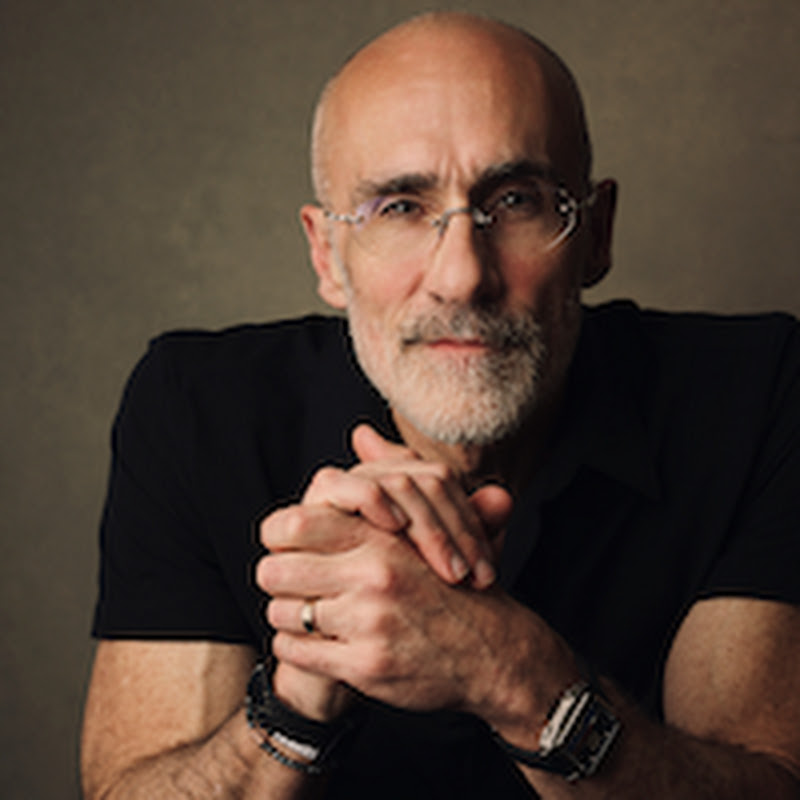
Dr Arthur Brooks
@drarthurbrooks·326K subscribers·364 videos
My 4-Step Method for Making the Holidays Better
Posted
December 22, 2025
Views
17,281
Likes
575
Comments
32
Engagement
3.51%
December 22, 2025
17,281
575
32
3.51%
Every word spoken in this episode is indexed. Type any phrase to jump straight to the moment it was said.
Type any word or phrase that may have been spoken. Click a result to seek the player to that exact moment.
Try a name, a topic, or a quoted line
Does Christmas never live up to the version you remember from childhood? Or does it bring up painful memories that keep you stuck in the past? Or maybe you’re like I once was, feeling more like a curmudgeon than a bundle of holiday cheer.
In this episode of Office Hours, I explain why the holidays so often surface disappointment, sadness, and annoyance, and what research on memory reveals about why this happens. I share ways to reframe difficult memories, and my Christmas protocol, designed to help quiet the noise, focus on what truly matters, and move through the season with more gratitude and peace.
*Where to find Arthur Brooks:*
• Newsletter
• Email: officehours@arthurbrooks.com
*Timestamps:*
(00:00) Intro
(03:13) Three common holiday mood problems
(04:10) Problem #1: Disappointment
(13:12) Problem #2: Sadness
(18:20) Problem #3: Annoyance
(21:36) Christmas protocol step #1: Start before dawn
(25:00) Christmas protocol step #2: Go for a walk
(26:00) Christmas protocol step #3: Write a gratitude letter
(26:39) Christmas protocol step #4: Give back
(28:32) Q&A: How a sleep schedule affects happiness
(30:21) Q&A: Dealing with burnout as a spiral career type
(31:55) Q&A: How to make close friends later in life
*Referenced:*
• The Happiness Scale
• How to Build a Life
• Remembering the past to imagine the futurethe prospective brain
• Is Nostalgia a Past or FutureOriented Experience? Affective, Behavioral, Social Cognitive, and Neuroscientific Evidence
• Perspectives on episodiclike and episodic memory
• Episodic memoryfrom mind to brain
• Not all emotions are created equalThe negativity bias in socialemotional development
• Attributions, deception, and eventrelated potentialsan investigation of the selfserving bias
• Wellbeing and the anticipation of future positive experiencesThe role of income, social networks, and planning ability
• ...References continued at
Production and marketing by
Sentinel Indexing in Progress
Metadata and chapters are available. Claim extraction for this episode is pending.
All video content is delivered via YouTube embedded players in accordance with the YouTube Terms of Service. Sentinel provides research tools that promote discovery and accountability across political media.