Dr Arthur Brooks
@drarthurbrooks·326K subscribers·364 videos
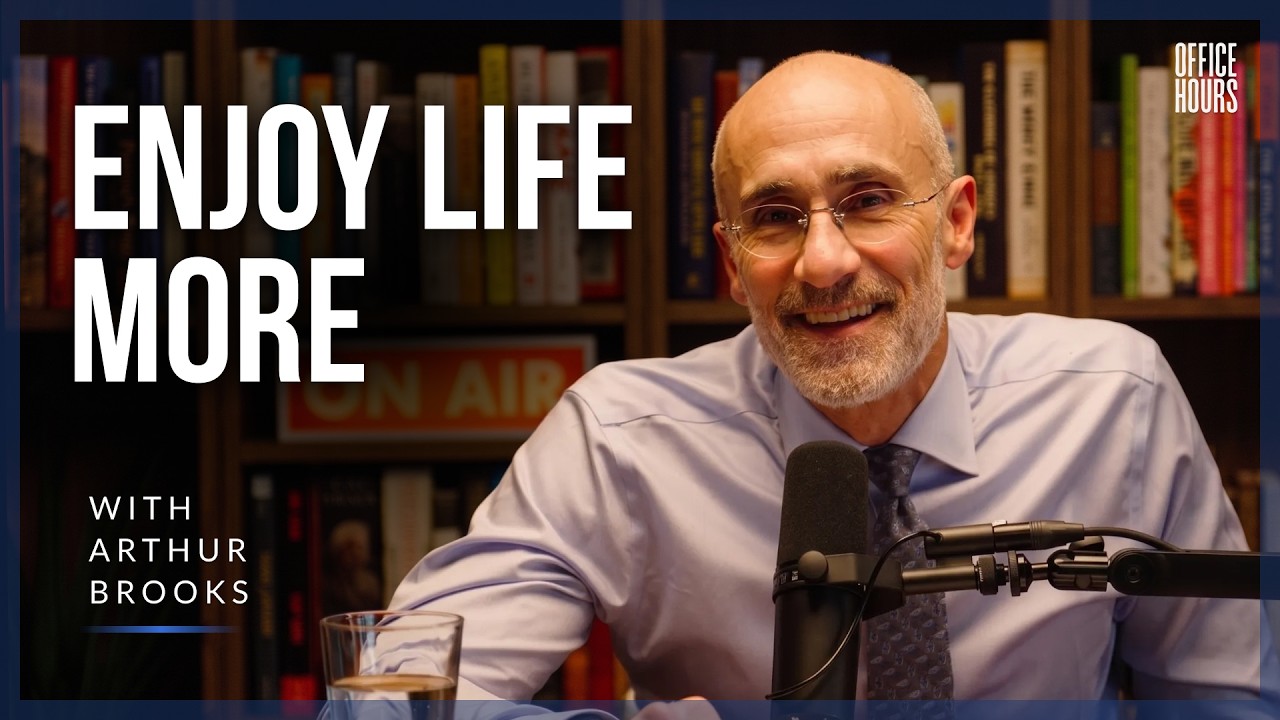
Stop Trying to be Perfect
Posted
May 11, 2026
Views
29,280
Likes
947
Comments
56
Engagement
3.43%
May 11, 2026
29,280
947
56
3.43%
Every word spoken in this episode is indexed. Type any phrase to jump straight to the moment it was said.
Type any word or phrase that may have been spoken. Click a result to seek the player to that exact moment.
Try a name, a topic, or a quoted line
 43:49Now Playing
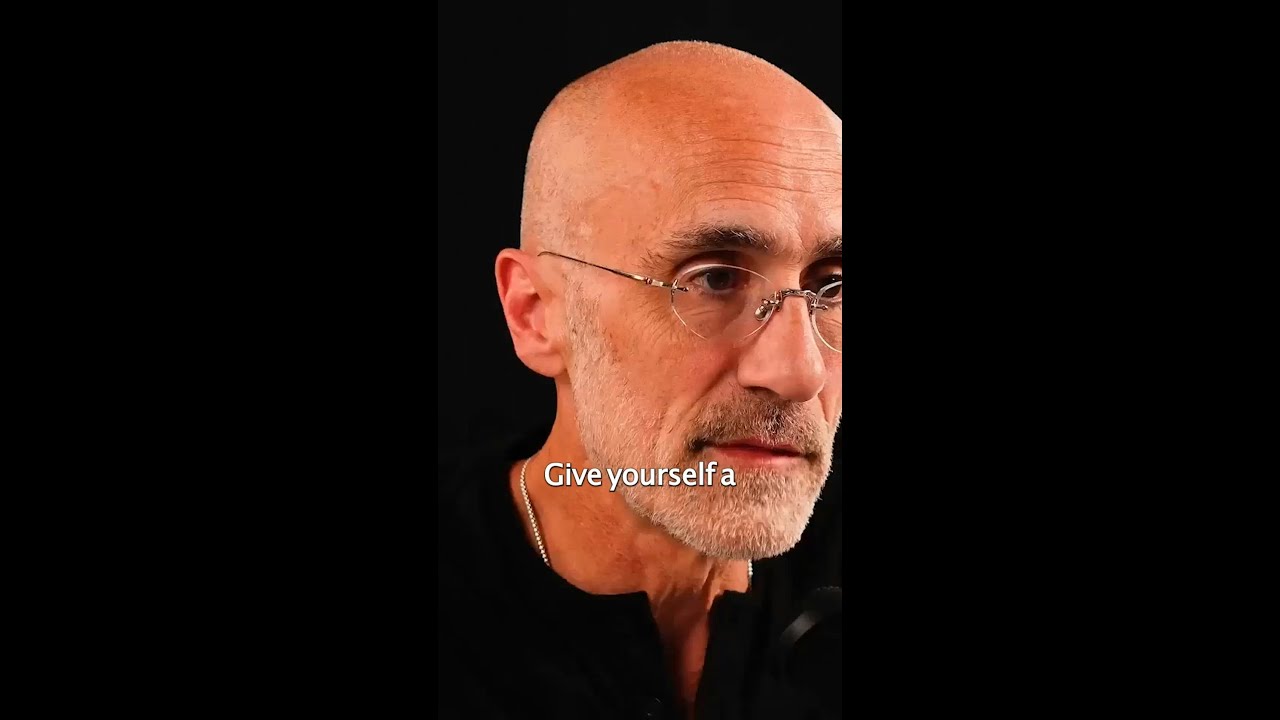
Sometimes, the most insidious thing someone can tell you to make you feel better is the age-old phrase, “but you’re perfect!” While research suggests this may ease emotional pain temporarily, it might actually be holding you back from growth and, consequently, satisfaction.
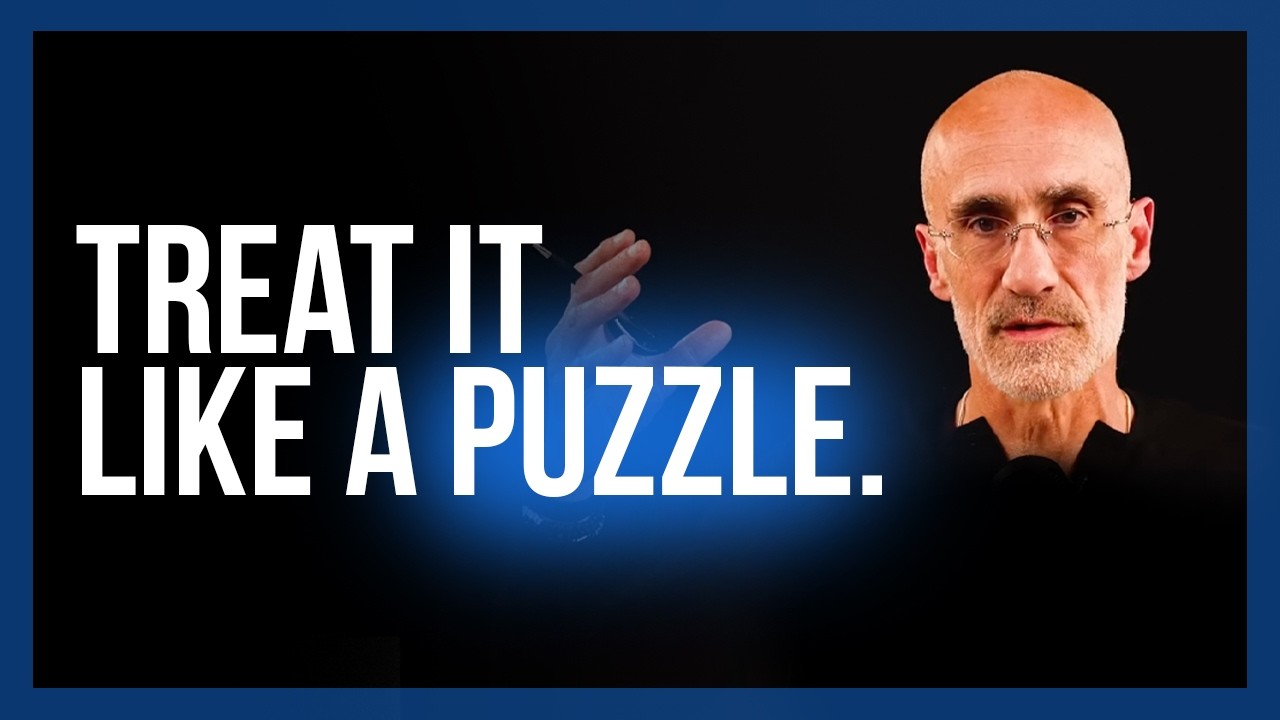
In this episode of Office Hours, I explore why we avoid uncomfortable truths when feeling down, and why the better path towards fulfillment is honest self-acceptance—embracing your imperfections, and taking on the challenge to improve.
*Brought to you by:*
Noble MobileWith Noble, there is only one planThe NoBull Plan. It’s simple. It’s transparent. And if you use less data, you get cash back. Get an exclusive offer at
*Where to find Arthur Brooks:*
• Inperson Retreats
• Newsletter
• Email: officehours@arthurbrooks.com
*Timestamps:*
(00:00) Intro
(06:50) The psychology of self-enhancement bias
(10:39) Who suffers most from self-enhancement bias
(15:50) Why we protect others with comforting lies
(17:16) What the research shows about self-enhancement bias
(22:57) #1: You’re not perfect but you’re normal
(25:37) #2: Accept yourself
(27:05) #3: Work to improve
(30:03) #4: Don’t blame other people
(32:05) #5: Reframe imperfections as puzzles
(35:48) Q&A: People pleasing and happiness
(37:33) Q&A: Finding time for happiness in a busy life
(39:24) Q&A: Teaching happiness habits to young children
*Referenced:*
• The Meaning of Your LifeFinding Purpose in an Age of Emptiness
• Meaning Membership
• The Happiness Scale
• The Pursuit of Happiness with Arthur Brooks
• I'm OKYou're OKThe Pioneering and Bestselling SelfHelp Guide
• Taking time seriously. A theory of socioemotional selectivity
• Comparative perceptions of driver abilitya confirmation and expansion
• The Illusion of Moral Superiority
• Age and the better‐than‐average effect
• The dorsal anterior cingulate cortex is selective for painResults from largescale reverse inference
• ...References continued at
Production and marketing by
Sentinel Indexing in Progress
Metadata and chapters are available. Claim extraction for this episode is pending.
All video content is delivered via YouTube embedded players in accordance with the YouTube Terms of Service. Sentinel provides research tools that promote discovery and accountability across political media.