
Dw News
@dwnews·6.3M subscribers·48.6K videos
Will the coronavirus pandemic force China to close wildlife markets? | DW News
Posted
May 31, 2020
Views
58,101
Likes
573
Comments
259
Engagement
1.43%
May 31, 2020
58,101
573
259
1.43%
Every word spoken in this episode is indexed. Type any phrase to jump straight to the moment it was said.
Type any word or phrase that may have been spoken. Click a result to seek the player to that exact moment.
Try a name, a topic, or a quoted line
 7:15Now Playing
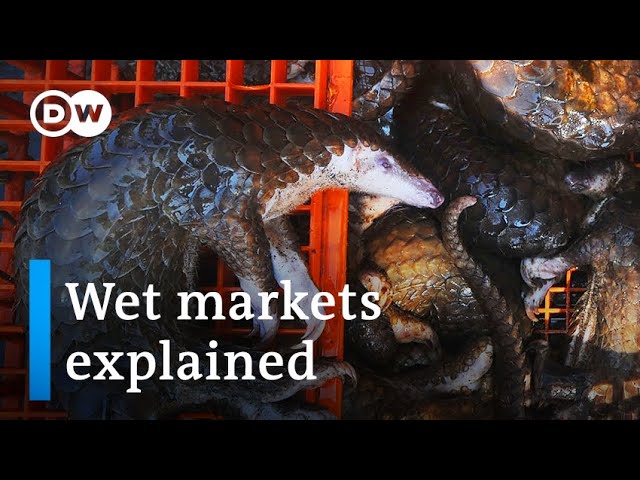
China is facing pressure globally to crack down on its so-called wet markets, where produce and live animals are often sold together. Scientists have speculated that the current coronavirus outbreak in humans might have begun at a market in the city of Wuhan. One hypothesis is that the virus could have jumped from bats to pangolins to people, in turn causing a global health emergency.
As the virus spread in January, China responded by slapping a ban on the trade and consumption of wildlife. Some of the markets were also temporarily closed. In the months since, they’ve been reopening - with new restrictions. But analysts say it’s not yet clear whether China will really clamp down on what’s being sold inside in the long run.
It’s unclear how many markets were affected by the ban on trading wildlife. But experts estimate that the markets selling live wild animals like pangolins before the outbreak could have numbered in the hundreds.
For more news go to
Follow DW on social media:
Für Videos in deutscher Sprache besuchen Sie
#Coronavirus #China #WetMarkets
Sentinel Indexing in Progress
Metadata and chapters are available. Claim extraction for this episode is pending.
All video content is delivered via YouTube embedded players in accordance with the YouTube Terms of Service. Sentinel provides research tools that promote discovery and accountability across political media.