Elan Show
@elanshowofficial·28.6K subscribers·316 videos
MAGA Panel STUTTERS as Jessica Tarlov DROPS FACTS on Fox News Live
Posted
June 1, 2026
Views
998
Likes
62
Comments
6
Engagement
6.81%
June 1, 2026
998
62
6
6.81%
Every word spoken in this episode is indexed. Type any phrase to jump straight to the moment it was said.
Type any word or phrase that may have been spoken. Click a result to seek the player to that exact moment.
Try a name, a topic, or a quoted line
 13:05Now Playing
What is going on, everybody? Welcome back to the channel. Today’s clip is one of those panel discussions where the jokes are flying, the interruptions never stop, and yet somehow one comment ends up revealing far more than anyone intended.
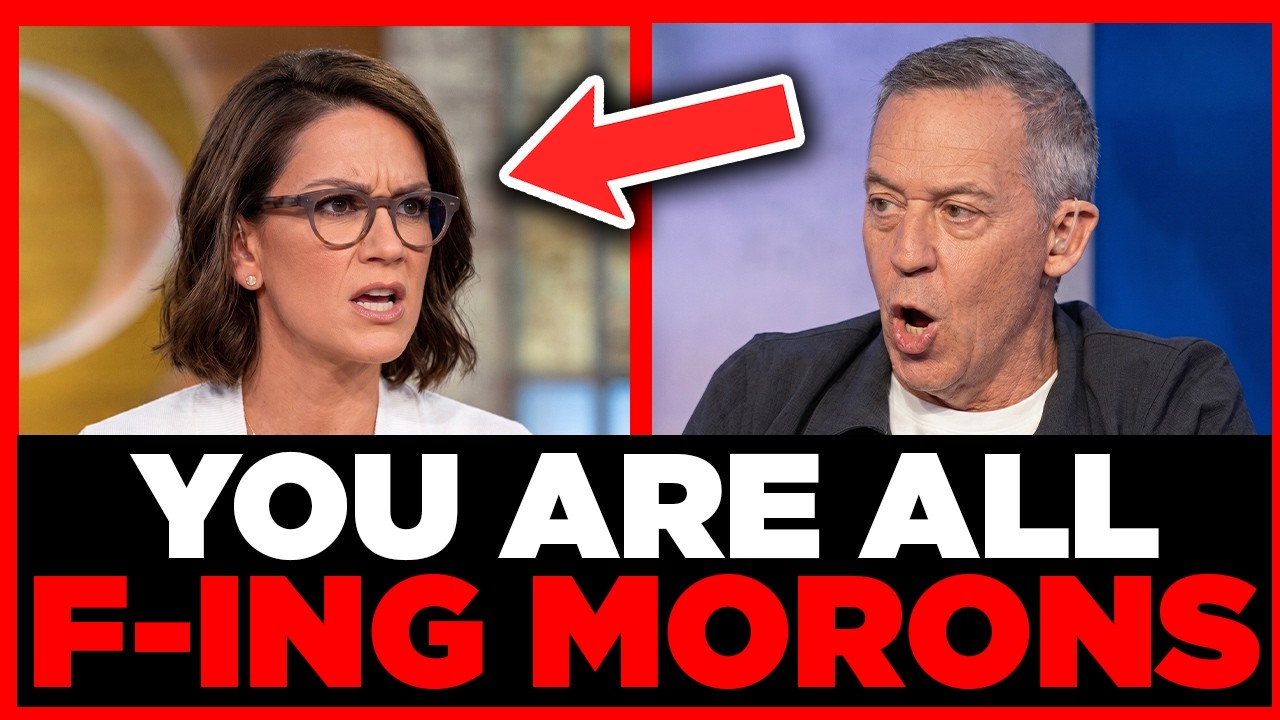
The conversation starts with CNN polling, the 2026 midterms, and the battle over whether Republicans or Democrats actually have momentum heading into the next election cycle. Fox News hosts Jesse Watters, Greg Gutfeld, and Paul Mauro argue that Republicans remain firmly in the fight despite concerns about President Trump’s approval numbers, while Jessica Tarlov pushes back with polling data showing growing dissatisfaction with the economy and concerns about the direction of the country.
Right away, the debate turns into a clash between numbers and narratives.
Jessica points to polling showing significant economic disapproval ratings, inflation concerns, and surveys suggesting Democrats are competitive or leading on several major issues. Meanwhile, the rest of the panel argues that Democrats remain politically weak, struggling with fundraising, messaging, and public confidence.
But the real fireworks begin when Jesse launches into a series of jokes about Democratic candidates, campaign strategy, and redistricting battles. What starts as comedy quickly becomes a broader argument about whether either party truly has a winning message heading into the next election.
The panel then pivots into a discussion about Michigan Senate candidate Abdul El-Sayed and questions surrounding his use of the title “doctor.” Greg Gutfeld uses the controversy to launch into a broader criticism of Democratic branding, political messaging, and what he sees as misleading labels throughout modern politics.
At the same time, Jessica continues returning to polling data, repeatedly arguing that economic concerns remain a major challenge and that Republicans may be underestimating how voters currently view the economy.
One of the most interesting moments comes when Jessica points out that even Republican strategists appear reluctant to focus heavily on economic performance right now. That observation sparks another heated exchange, with the panel debating whether voters are actually feeling optimistic or whether political messaging is simply trying to shape perceptions ahead of the midterms.
As the discussion unfolds, the focus shifts from polling numbers to a much bigger question: are Republicans winning because voters are enthusiastic about their agenda, or because Democrats continue to struggle with their own public image?
That’s when Greg Gutfeld delivers what may have been the most revealing comment of the entire segment.
While criticizing Democrats, Greg openly acknowledges that Trump’s numbers “aren’t great,” before arguing that Republicans benefit because Democrats remain unpopular themselves. It’s a moment that changes the entire tone of the discussion because it shifts the conversation away from claims of overwhelming political strength and toward a debate about relative weakness.
Is political success being driven by genuine support, or simply by frustration with the alternative?
That question sits at the center of this entire exchange.
The panel never fully agrees on the answer, but the back-and-forth provides a fascinating snapshot of how both sides are trying to frame the political landscape heading toward 2026.
What do you think?
Are polling numbers being underestimated or overhyped? Are Republicans genuinely gaining strength, or are Democrats creating their own problems? And what did you think about Greg Gutfeld’s admission regarding Trump’s numbers?
Drop your thoughts in the comments below, make sure to like and subscribe, and I’ll see you in the next video.
Sentinel Indexing in Progress
Metadata and chapters are available. Claim extraction for this episode is pending.
All video content is delivered via YouTube embedded players in accordance with the YouTube Terms of Service. Sentinel provides research tools that promote discovery and accountability across political media.