Elan Show
@elanshowofficial·28.6K subscribers·316 videos
MAGA Panel FALLS APART as Jessica Tarlov EXPOSES Contradictions LIVE
Posted
May 25, 2026
Views
5,189
Likes
255
Comments
42
Engagement
5.72%
May 25, 2026
5,189
255
42
5.72%
Every word spoken in this episode is indexed. Type any phrase to jump straight to the moment it was said.
Type any word or phrase that may have been spoken. Click a result to seek the player to that exact moment.
Try a name, a topic, or a quoted line
 15:49Now Playing
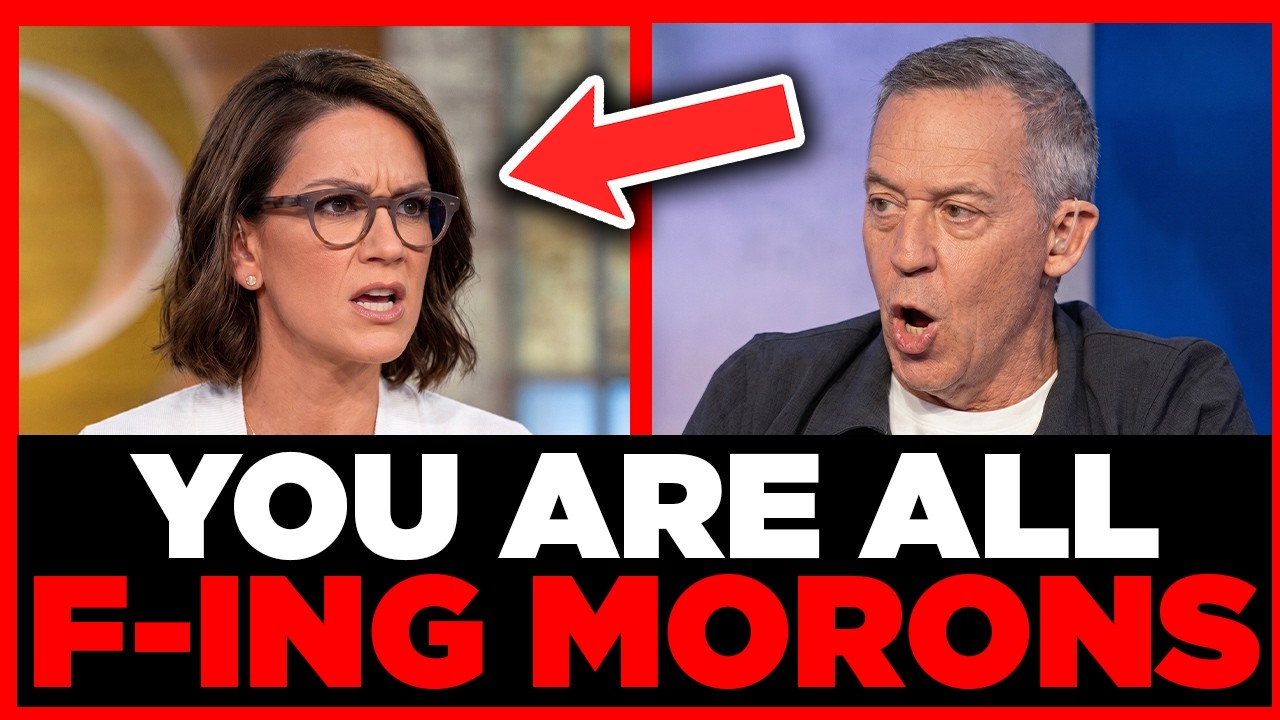
What just happened on Fox News’ The Five turned into one of the most heated foreign policy debates in recent memory as Jessica Tarlov completely flipped the script on the Iran–Hormuz blockade discussion.
The panel initially frames the situation as a strategic win, pointing to U.S. naval power, economic pressure on Iran, and rising market confidence. But Jessica Tarlov challenges the entire narrative in real time, arguing that the Strait of Hormuz crisis cannot be understood without acknowledging how the blockade itself emerged in response to earlier actions.
Her key argument lands hard: the current “blockade of the blockade” is essentially a loop of escalation—where the United States is now trying to neutralize a crisis that was partially created by its own strategic decisions. That single framing shifts the entire tone of the segment.
As the discussion unfolds, the panel doubles down on military strength, deterrence, and energy dominance, with claims that Iran is economically cornered and losing leverage. References are made to naval deployments, sanctions pressure, global oil markets, and shifting geopolitical alliances involving China and regional powers.
But Tarlov pushes back, highlighting contradictions in the way success is being defined: one moment the Iranian nuclear capability is described as “obliterated,” and the next moment the threat is framed as more dangerous than ever. That tension raises a deeper question—whether escalation is actually stabilizing the region or continuously resetting the conflict at a higher level of risk.
The debate also touches on broader foreign policy strategy, including:
Whether economic pressure truly weakens regimes or entrenches them
How information about military outcomes is communicated to the public
The role of energy markets in shaping political narratives
And whether short-term “wins” translate into long-term stability
By the end of the segment, the conversation lands on a stark divide: one side emphasizing force, pressure, and deterrence, while the other questions whether those same tools are producing a cycle of unintended consequences.
This breakdown goes beyond the talking points to unpack how media framing shapes public perception of war, strategy, and global conflict in real time.
Drop your thoughts in the comments—do you see this as effective deterrence, or a cycle of escalation being disguised as control?
Sentinel Indexing in Progress
Metadata and chapters are available. Claim extraction for this episode is pending.
All video content is delivered via YouTube embedded players in accordance with the YouTube Terms of Service. Sentinel provides research tools that promote discovery and accountability across political media.