Elan Show
@elanshowofficial·28.6K subscribers·316 videos
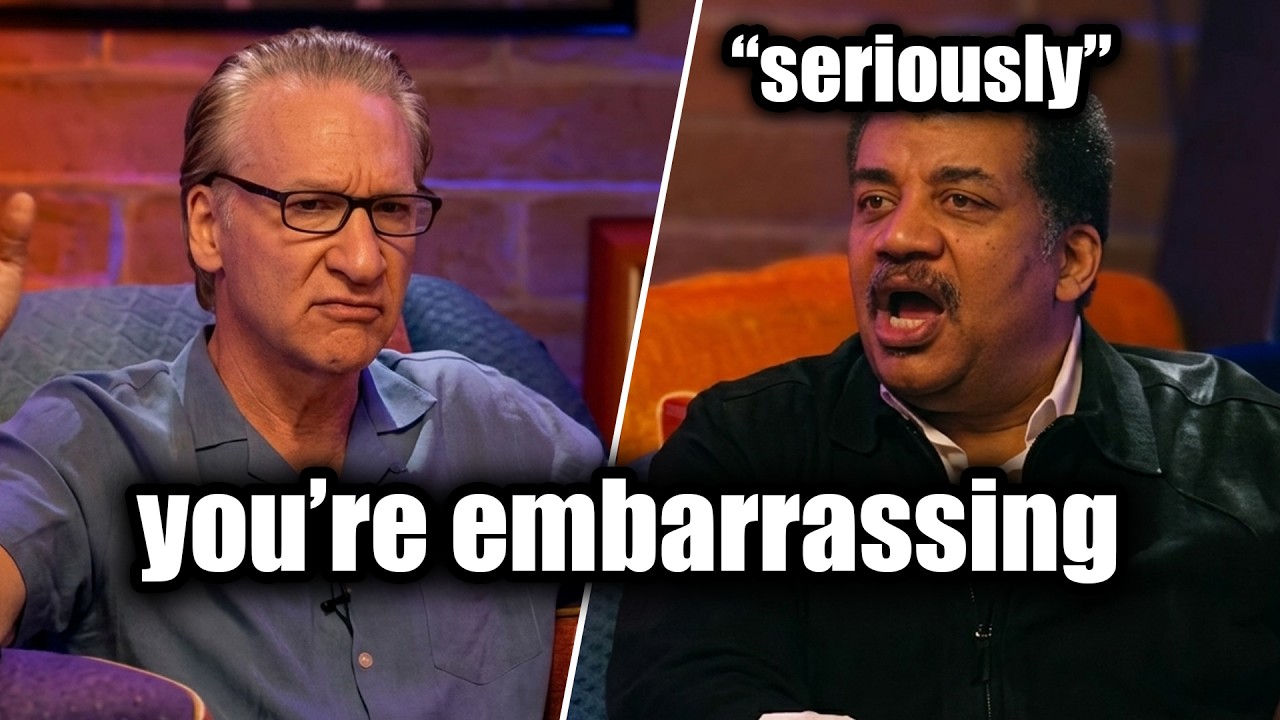
Neil deGrasse Tyson BLOWS Piers Morgan's MAGA Mind With the Truth About the MAGA Cult
Posted
June 11, 2026
Views
284,137
Likes
7,505
Comments
865
Engagement
June 11, 2026
284,137
7,505
865
2.95%
Every word spoken in this episode is indexed. Type any phrase to jump straight to the moment it was said.
Type any word or phrase that may have been spoken. Click a result to seek the player to that exact moment.
Try a name, a topic, or a quoted line
 13:42Now Playing
In this video, we break down a fascinating conversation between Piers Morgan and astrophysicist Neil deGrasse Tyson about propaganda, misinformation, social media, and the psychology behind belief.
The discussion explores how repetition can shape public opinion, why charismatic leaders can inspire unwavering loyalty, and how the "illusory truth effect" influences the way people process information. It also examines the role of objective truth, independent thinking, and the challenges democracies face when personality begins to outweigh facts.
Most importantly, Neil deGrasse Tyson offers a thought-provoking perspective that shifts the focus from politicians to society itself, arguing that leaders often reflect the desires and expectations of the public they serve.
Whether you agree or disagree with the viewpoints presented, this conversation raises important questions about critical thinking, media literacy, and the responsibility every citizen has in evaluating information.
What do you think? Do social media algorithms make propaganda more powerful than ever before? Or is the responsibility ultimately on individuals to think independently?
Leave your thoughts in the comments below.
👍 If you enjoyed this breakdown, don't forget to Like, Subscribe, and turn on notifications for more discussions on politics, media, science, and current events.
Sentinel Indexing in Progress
Metadata and chapters are available. Claim extraction for this episode is pending.
All video content is delivered via YouTube embedded players in accordance with the YouTube Terms of Service. Sentinel provides research tools that promote discovery and accountability across political media.