Elan Show
@elanshowofficial·28.6K subscribers·316 videos
Adam Mockler DESTROYS the "Trust the Process" Iran War Defense LIVE
Posted
June 17, 2026
Views
364
Likes
34
Comments
7
Engagement
11.26%
June 17, 2026
364
34
7
11.26%
Every word spoken in this episode is indexed. Type any phrase to jump straight to the moment it was said.
Type any word or phrase that may have been spoken. Click a result to seek the player to that exact moment.
Try a name, a topic, or a quoted line
 15:59Now Playing
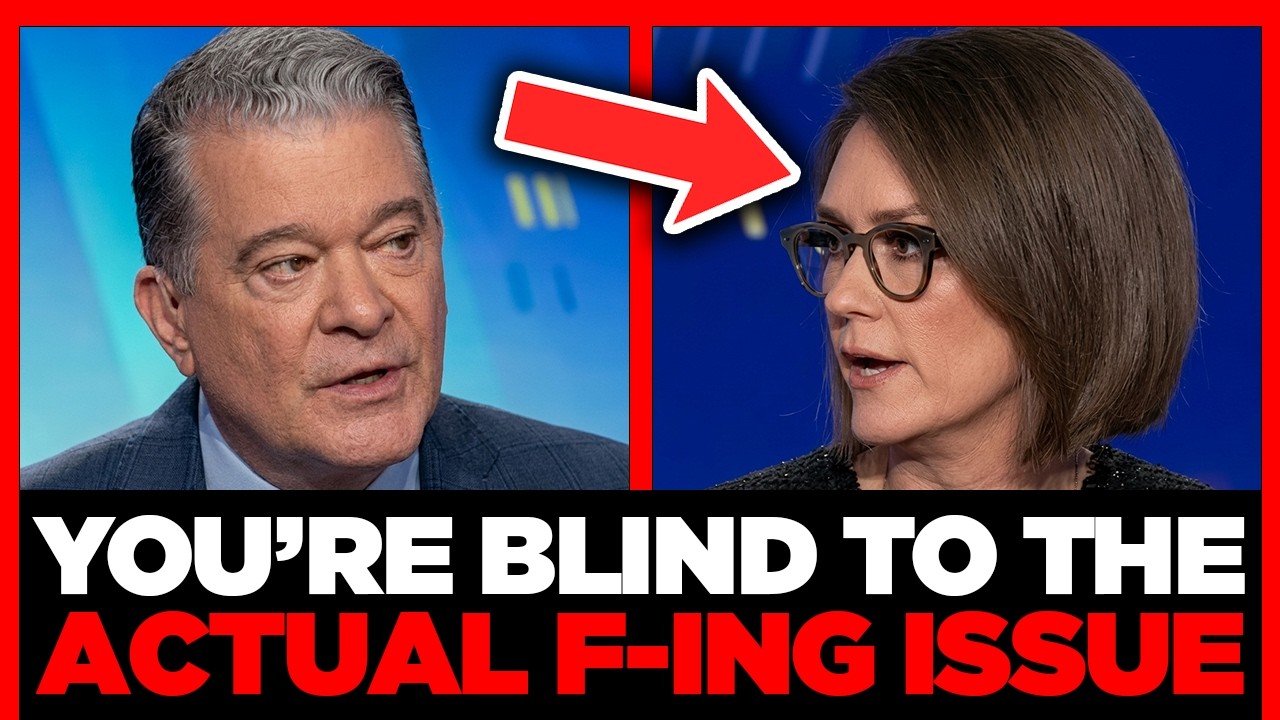
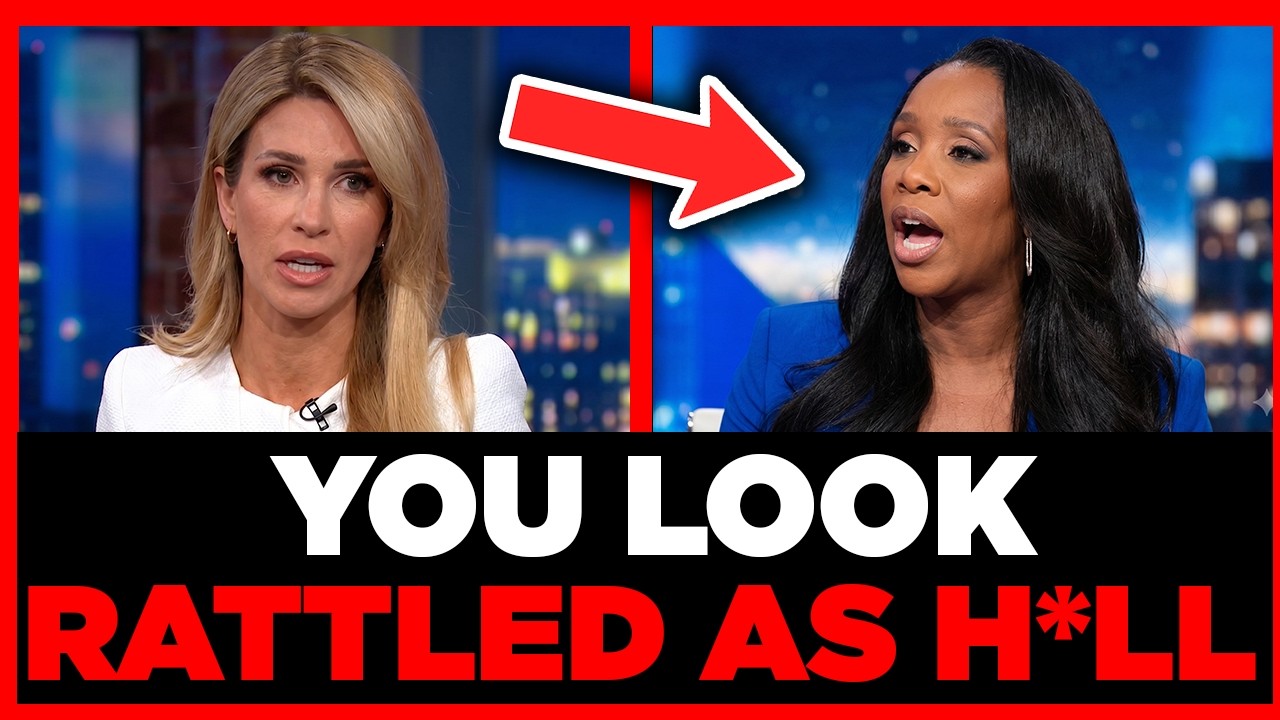
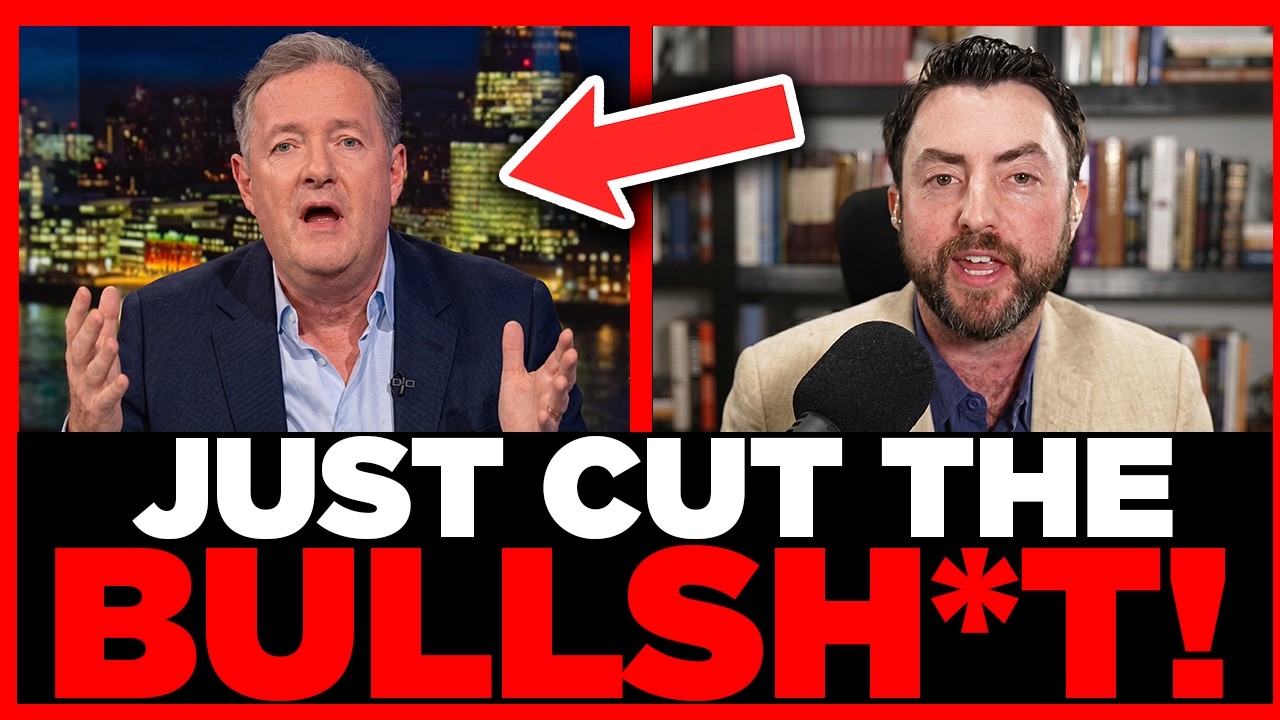
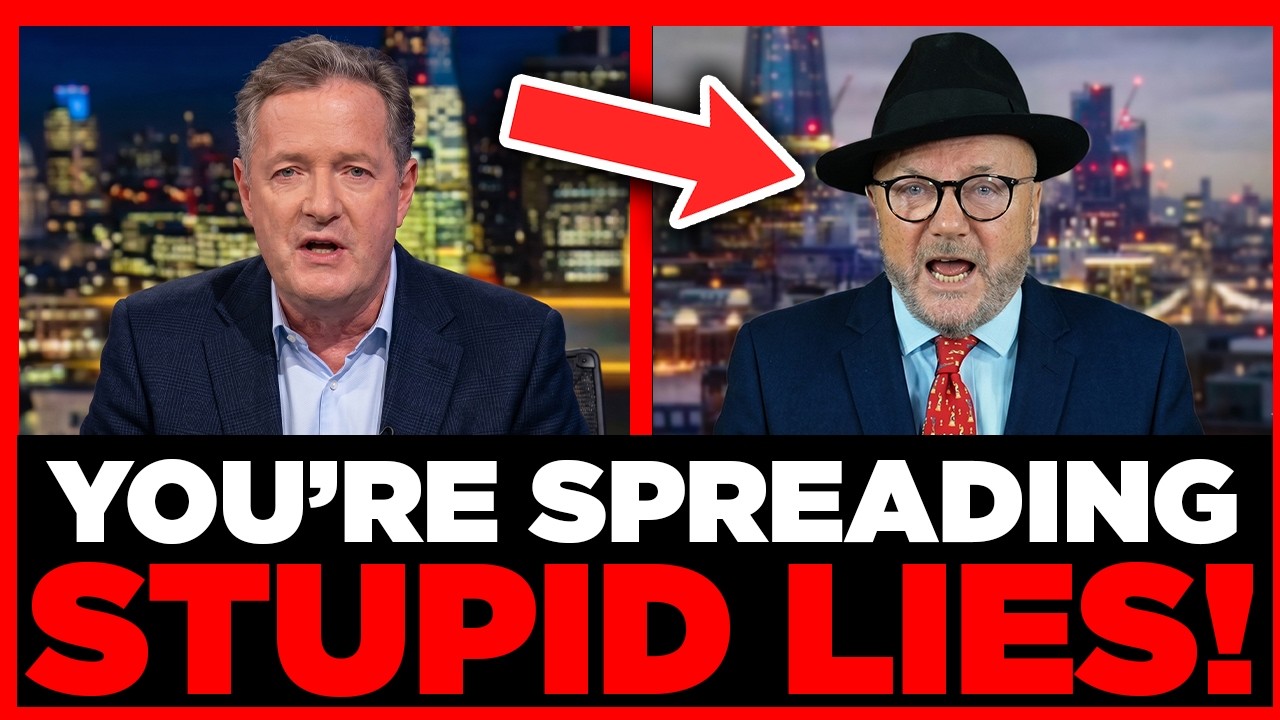
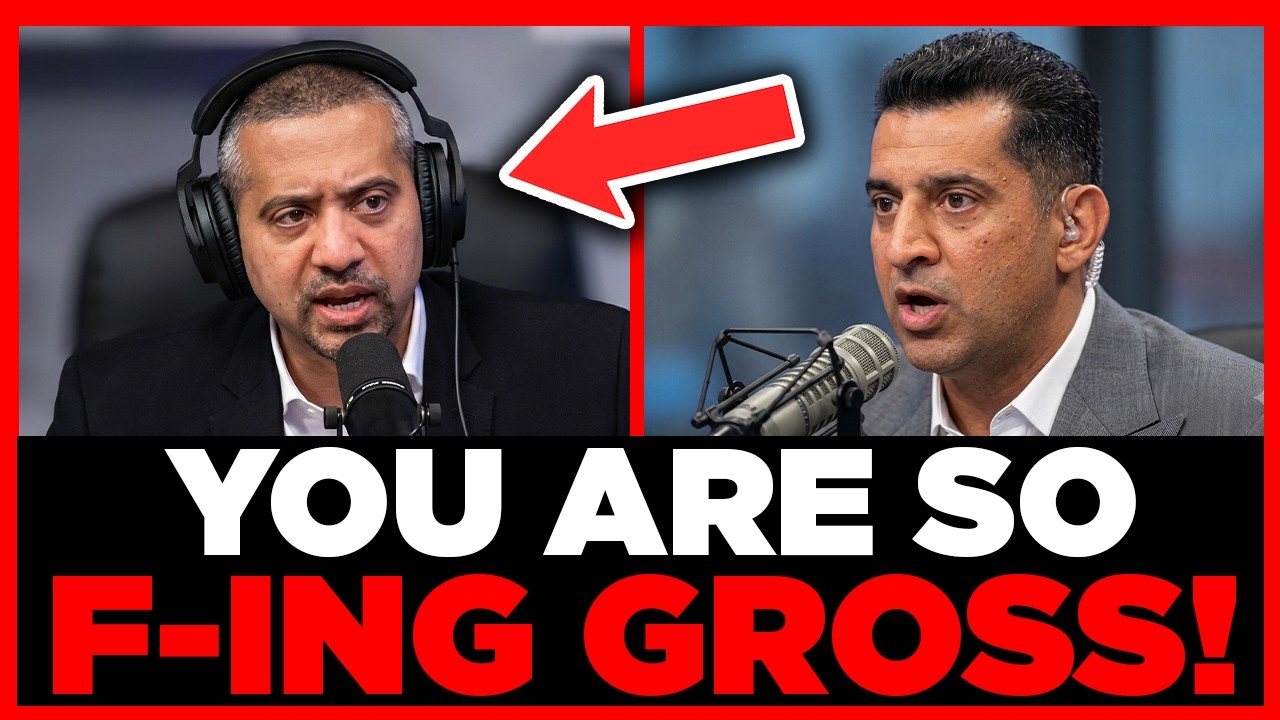
The generational war debate everyone is talking about is finally broken down in full, and this clip captures one of the most heated panel exchanges on U.S. foreign policy in recent memory. The conversation centers on the war with Iran and the deep generational divide over whether the conflict was ever justified. On one side sits a young anti-war voice arguing that an entire generation has grown up watching the same failed promises recycled from previous Middle East conflicts. On the other side sits a pro-war panelist who insists that questioning the war is disrespectful to the troops and that the campaign has made the country safer. Caught in the middle is a veteran journalist who covered the Iraq war firsthand and refuses to let the historical record be rewritten.
This panel debate touches nearly every major pressure point in the modern foreign policy conversation: the Strait of Hormuz, oil prices and recession fears, enriched uranium, nuclear weapons capability, military deployments, and whether the same officials who promoted past wars can be trusted again. The discussion moves quickly from emotional accusations of ingratitude toward service members into hard questions about where the actual threat is, why the justification for the war keeps shifting, and what young Americans are supposed to make of leaders who repeatedly told them each new conflict would make them safer.
What makes this exchange so compelling is the clash of worldviews. The anti-war side argues that endless intervention has left the country less safe and worse off, pointing to the trillions spent in Iraq and Afghanistan and the long shadow those wars still cast. The pro-war side counters that removing hostile regimes eliminated genuine national security threats and that critics are dismissing the daily work of military personnel. The veteran journalist adds crucial historical context, reminding everyone that the Iraq invasion had no connection to 9-11 and that toppling that regime directly contributed to the rise of the Islamic State, a terrorist group born from the chaos that followed.
The debate also dives into public opinion data, showing how support for past wars collapsed over time, and raises a sharp question: if so many Americans eventually turned against those conflicts, were all of them simply ungrateful, or did they live long enough to see the consequences? This is exactly the kind of high-stakes political panel discussion that fuels conversation across cable news, podcasts, and YouTube commentary channels, blending geopolitics, generational divides, military strategy, and the credibility of leadership into one tense exchange.
Whether you lean anti-war, support intervention, or land somewhere in between, this breakdown gives you the full context behind the arguments, the key moments where each side scored points, and the historical background that makes the entire conversation matter. Foreign policy debates like this shape elections, public sentiment, and the direction of an entire generation, which is why understanding both sides is so important.
We want to hear from you. Do you think the war with Iran made the world safer, or is it repeating the mistakes of Iraq and Afghanistan? Should younger generations trust the same voices who defended previous conflicts? Drop your honest opinion in the comments, share this video with someone who loves political debate, and let us know which moment in this exchange hit hardest for you. Your perspective adds to the conversation, so don't hold back.
If you enjoy deep dives into political debates, foreign policy clashes, and the biggest panel showdowns happening right now, make sure to like, comment, and subscribe so you never miss a breakdown. This channel is built for people who want more than headlines, who want the full argument, the full context, and the full story behind the debates shaping our world.
⭐️Fair Use Disclaimer:
This video may contain copyrighted material the use of which has not always been specifically authorized by the copyright owner. We are making such material available for purposes of criticism, comment, news reporting, teaching, scholarship, or research. We believe this constitutes a 'fair use' of any such copyrighted material as provided for in section 107 of the US Copyright Law.
Content Context: The videos on this channel may explore unverified information or theories gathered from public sources and media reports. They are intended for educational and informational purposes only and should not be interpreted as confirmed facts.
Intent: Elan Show does not seek to discredit or defame any individuals, organizations, or groups. The goal is to promote thoughtful dialogue and critical analysis.
Sentinel Indexing in Progress
Metadata and chapters are available. Claim extraction for this episode is pending.
All video content is delivered via YouTube embedded players in accordance with the YouTube Terms of Service. Sentinel provides research tools that promote discovery and accountability across political media.