Elan Show
@elanshowofficial·28.6K subscribers·316 videos
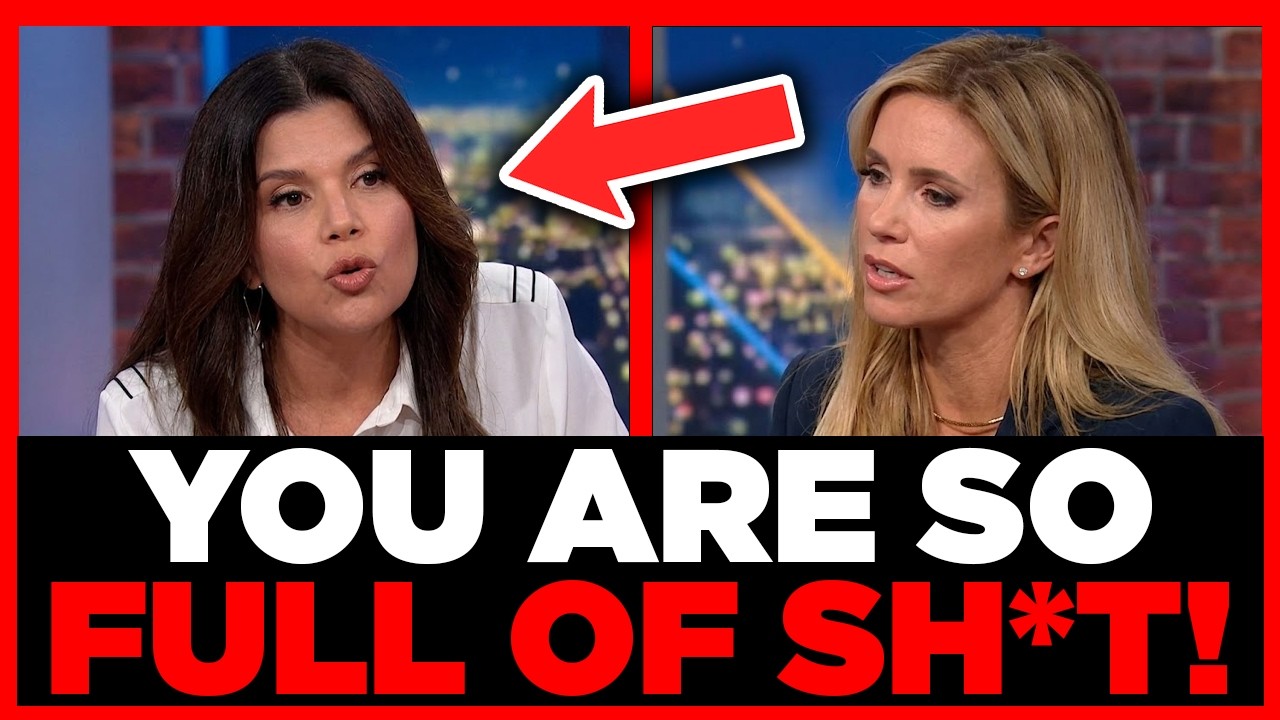
CNN Panel ERUPTS as Abby Phillip CORNERS Conservatives on McConnell
Posted
July 17, 2026
Views
154
Likes
11
Engagement
7.14%
July 17, 2026
154
11
7.14%
Every word spoken in this episode is indexed. Type any phrase to jump straight to the moment it was said.
Type any word or phrase that may have been spoken. Click a result to seek the player to that exact moment.
Try a name, a topic, or a quoted line
 14:32Now Playing
When a sitting United States Senator disappears from public view for more than three weeks, the country deserves answers. In this heated NewsNight panel discussion on CNN, hosted by Abby Phillip, the conversation turns to Kentucky Senator Mitch McConnell and the growing silence surrounding his extended hospitalization. With no clear explanation from his office beyond vague statements about recovery, the panel debates one central question: how much does a public official owe the people who elected them when it comes to their health and their ability to serve?
This clip dives into the tension between personal medical privacy and public accountability. McConnell, who is 84 and already set to retire at the end of his term in January, has been hospitalized since mid-June, with his staff releasing only brief updates saying he continues to improve and appreciates the support he is receiving. That lack of transparency has fueled speculation across social media, with some high-profile voices demanding what they call proof of life, while others argue the senator is entitled to keep his diagnosis private.
The panel features a range of sharp perspectives. Audie Cornish opens the segment by highlighting how quickly rumors fill a vacuum when officials stay silent. Edward-Isaac Dovere frames the core principle: a public official is entitled to some privacy, but the taxpayers who pay his salary are entitled to know whether he can still do his job. Antjuan Seawright points out the double standard in how accountability gets applied depending on which party is under scrutiny. Terry Schilling pushes back with a counterargument that quickly runs into trouble when he is asked for evidence.
As the discussion continues, Jason Rantz explains why prolonged silence only feeds conspiracy theories rather than protecting anyone. Ana Navarro lays out the basic contract of public service, arguing that constituents are owed an explanation when their representative is absent from the job for an extended period. Abby Phillip delivers a sobering point about the lack of any real congressional rule forcing accountability. Mike Nellis brings the debate down to a human level, noting that an ordinary worker who vanished for months would simply be fired, and later raises the most pointed contradiction of all: if allies can reportedly have twenty-minute phone calls with the senator, why can he not record a sixty-second video to reassure the public?
The conversation also broadens beyond one senator. Brianna Lyman raises the case of a member of Congress who was quietly moved into a care facility while barely anyone noticed, and the panel reflects on other lawmakers who have taken extended medical leaves. The discussion touches on the difference between officials who have been open about their health struggles and those who have chosen silence, raising a bigger question about whether the institution needs real standards for disclosure.
This is a debate about transparency, accountability, aging leadership in Washington, and the responsibilities that come with elected office. It cuts across party lines and gets to something every voter can relate to: the right to know whether the people making decisions on their behalf are actually able to do the work. Whether you believe health is a private matter or a public responsibility, this panel gives you plenty to think about.
What do you think? Should public officials be required to disclose serious health conditions that affect their ability to serve, or does privacy come first even in high office? Where is the line between personal dignity and public duty? Drop your thoughts in the comments below and let us know where you stand. If this discussion made you think, share it with someone who cares about accountability in government, and subscribe for more breakdowns of the biggest political panel debates, cable news moments, and cultural conversations shaping the national dialogue.
⭐️Fair Use Disclaimer:
This video may contain copyrighted material the use of which has not always been specifically authorized by the copyright owner. We are making such material available for purposes of criticism, comment, news reporting, teaching, scholarship, or research. We believe this constitutes a 'fair use' of any such copyrighted material as provided for in section 107 of the US Copyright Law.
Content Context: The videos on this channel may explore unverified information or theories gathered from public sources and media reports. They are intended for educational and informational purposes only and should not be interpreted as confirmed facts.
Intent: Elan Show does not seek to discredit or defame any individuals, organizations, or groups. The goal is to promote thoughtful dialogue and critical analysis.
Sentinel Indexing in Progress
Metadata and chapters are available. Claim extraction for this episode is pending.
All video content is delivered via YouTube embedded players in accordance with the YouTube Terms of Service. Sentinel provides research tools that promote discovery and accountability across political media.