Elan Show
@elanshowofficial·28.6K subscribers·316 videos
Adam Mockler DISMANTLES Scott Jennings' Iran War Defense LIVE!
Posted
July 18, 2026
Views
290
Likes
26
Comments
1
Engagement
9.31%
July 18, 2026
290
26
1
9.31%
Every word spoken in this episode is indexed. Type any phrase to jump straight to the moment it was said.
Type any word or phrase that may have been spoken. Click a result to seek the player to that exact moment.
Try a name, a topic, or a quoted line
 13:34Now Playing
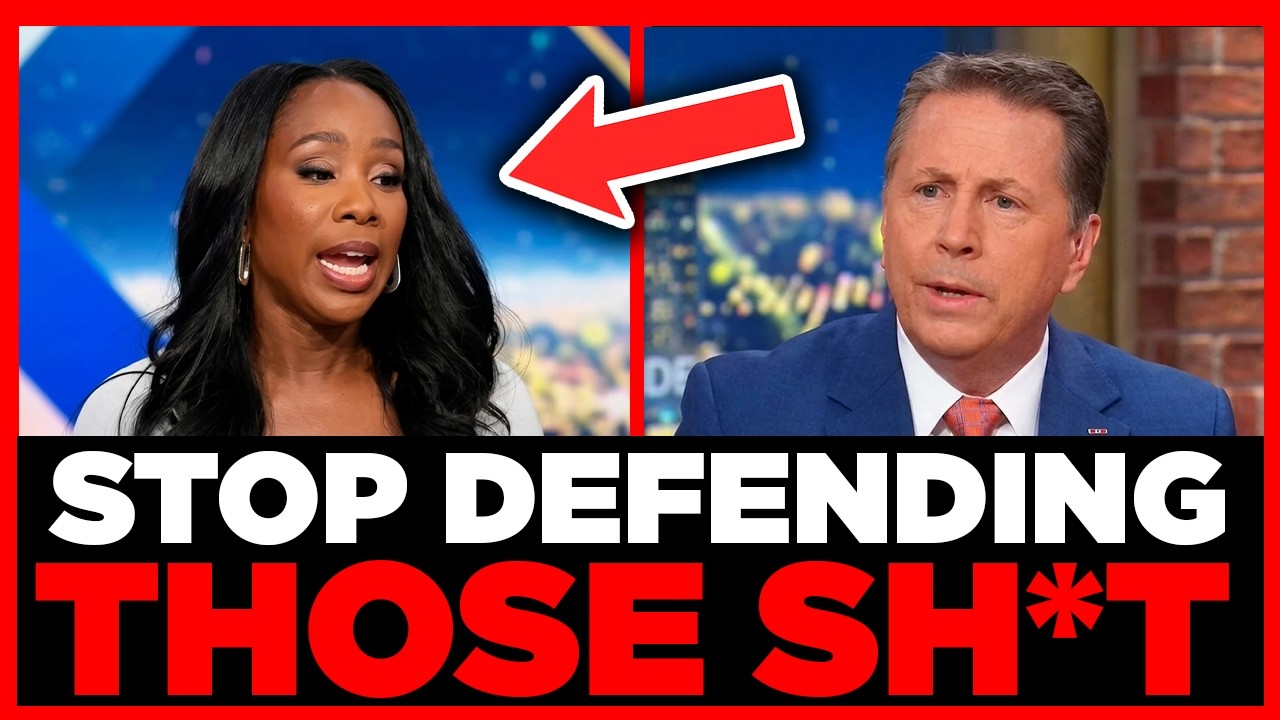
On CNN's NewsNight, anchor Abby Phillip moderates one of the most heated panel clashes of the year as commentators go head to head over the ongoing U.S. military conflict with Iran. What begins as a discussion about public support for the war quickly escalates into a full confrontation over strategy, cost, legality, and whether the campaign has achieved anything at all.
At the center of the debate is Adam Mockler, who argues that the war has become a strategic and financial failure. He presses the panel with one central question that defines the entire segment: can anyone name a single political concession secured from the other side? Mockler points to spiking gas prices, the estimated twenty-three billion dollars in additional fuel costs shouldered by American families, and the uncomfortable reality that the enriched uranium the war was meant to eliminate reportedly still exists. His argument frames the conflict as a war of choice that has drained resources while delivering no measurable outcome.
Commentator Kat Abughazaleh sharpens the moral dimension of the debate, challenging the way the conflict has been justified and questioning the human cost, including civilian casualties. Her exchange raises pointed questions about accountability, the framing of the war, and whether the public was ever given a genuine say in the decision to escalate.
Defending the campaign, conservative commentator Scott Jennings maintains that the core objective is simple and non-negotiable: preventing a hostile regime, long designated a state sponsor of terrorism, from acquiring a nuclear weapon. Another panelist introduces the argument that a naval blockade may prove more effective than direct military strikes, pressuring the opposing economy and currency while avoiding further bombing. The disagreement over blockade versus bombardment becomes one of the most substantive strategic threads in the entire discussion.
The panel also dives into a serious constitutional question: the War Powers Resolution and the sixty-day limit on military action initiated without congressional approval. The debate explores whether a ceasefire pauses that clock, whether an active naval blockade legally counts as an ongoing act of war, and whether the administration should be required to seek authorization from Congress. This portion of the conversation offers real educational value for anyone interested in how U.S. war powers, congressional oversight, and the separation of powers actually function.
Throughout the segment, the panelists clash over international law, the definition of aggression, the seizure of civilian vessels, and the historical context stretching back decades of tension in the region, including references to the 1983 Beirut Marine barracks bombing. The result is a fast-moving, emotionally charged debate that captures the deep divide in American opinion over foreign policy, military intervention, and the true cost of prolonged conflict.
Whether you lean toward the anti-war position or believe the campaign is a necessary act of national security, this debate lays out the strongest arguments from both sides in raw, unscripted form. It is a revealing look at how political commentators, journalists, and public figures argue over one of the most consequential foreign policy questions of the moment.
What do you think? Was this war a strategic mistake, or a necessary stand against a nuclear threat? Should Congress reassert its authority over military action, or does the executive branch need flexibility in a crisis? Drop your thoughts in the comments below and join the discussion. If you found this breakdown valuable, like the video, share it with someone who follows political debates, and subscribe for more panel clashes, reaction breakdowns, and analysis of the biggest arguments in cable news and beyond.
We read the comments and love hearing every perspective, so tell us where you stand and who you think won this exchange.
⭐️Fair Use Disclaimer:
This video may contain copyrighted material the use of which has not always been specifically authorized by the copyright owner. We are making such material available for purposes of criticism, comment, news reporting, teaching, scholarship, or research. We believe this constitutes a 'fair use' of any such copyrighted material as provided for in section 107 of the US Copyright Law.
Content Context: The videos on this channel may explore unverified information or theories gathered from public sources and media reports. They are intended for educational and informational purposes only and should not be interpreted as confirmed facts.
Intent: Elan Show does not seek to discredit or defame any individuals, organizations, or groups. The goal is to promote thoughtful dialogue and critical analysis.
Sentinel Indexing in Progress
Metadata and chapters are available. Claim extraction for this episode is pending.
All video content is delivered via YouTube embedded players in accordance with the YouTube Terms of Service. Sentinel provides research tools that promote discovery and accountability across political media.