Elan Show
@elanshowofficial·28.6K subscribers·316 videos
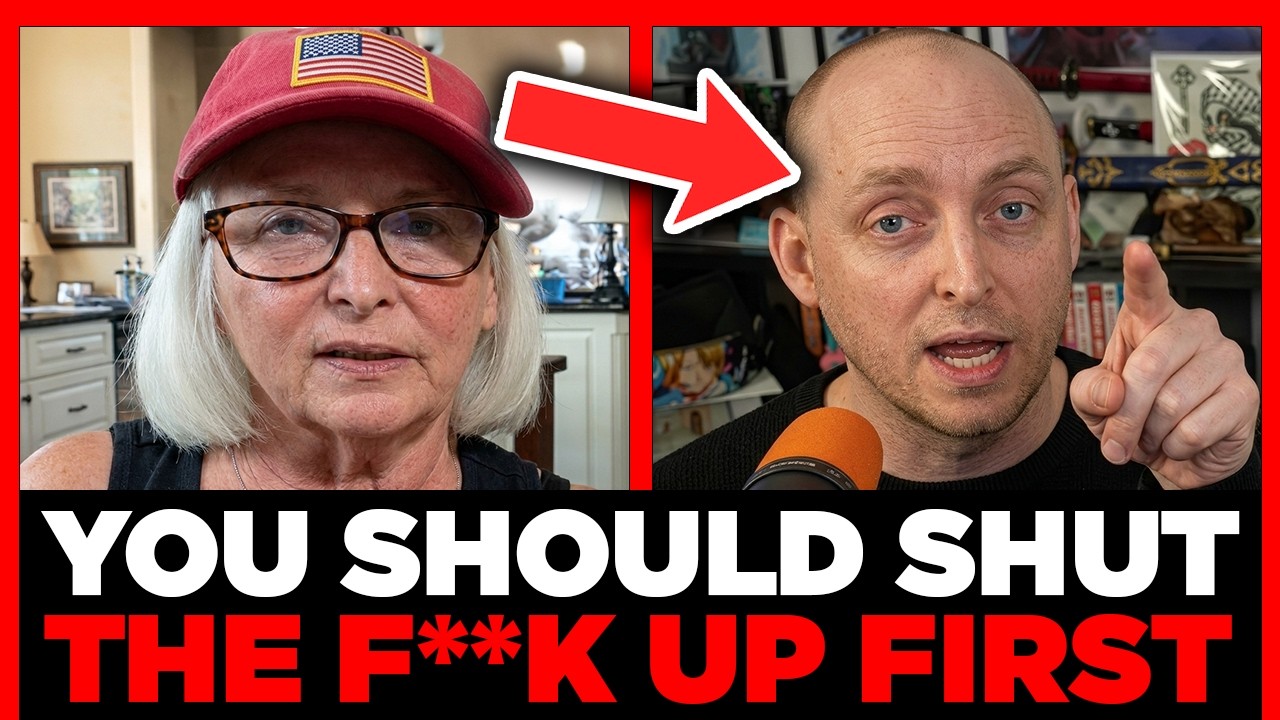
Abby Phillip EXPOSES MAGA Moron Scott Jennings' Hypocrisy
Posted
August 23, 2026
Views
1,602
Likes
127
Comments
16
Engagement
8.93%
August 23, 2026
1,602
127
16
8.93%
Every word spoken in this episode is indexed. Type any phrase to jump straight to the moment it was said.
Type any word or phrase that may have been spoken. Click a result to seek the player to that exact moment.
Try a name, a topic, or a quoted line
 14:14Now Playing
A CNN panel erupted this week over a viral comment made by a Georgia senator during a re-election rally, and the fallout turned into one of the most talked-about political moments of the news cycle. The remark suggested that the sitting president would rather travel with his personal aide than focus on the actual responsibilities of running the country, and it instantly divided commentators across the political spectrum. What started as a single line from a campaign speech became a national conversation about double standards, selective outrage, and how public figures are treated in modern politics.
In this reaction video, we break down the heated exchange between conservative commentator Scott Jennings and the rest of the panel, including host Abby Phillip and political commentator Keith Boykin. The debate centers on whether the senator's comment crossed a line into personal territory or whether it was fair political criticism aimed at a senior official who works inside the most powerful building in the country. Jennings takes the position that the aide is a private, defenseless figure who was unfairly dragged into the spotlight, while the rest of the panel pushes back hard, arguing that a senior White House staffer is a public official operating in a position of immense public trust.
The conversation quickly expands beyond the original comment. Abby Phillip challenges Jennings directly, pointing out that he has a great deal to say about the senator but very little to say about the repeated pattern of the president demeaning women who are simply doing their jobs, including reporters and even members of the press sitting in that very studio. This is where the real tension of the segment lives: the question of consistency. If mocking a woman is wrong when one side does it, is it not equally wrong when the most powerful person in the country does it openly and repeatedly? That single question becomes the pressure point that Jennings struggles to answer throughout the entire exchange.
Keith Boykin adds another layer by calling out what he describes as a classic deflection tactic, noting that Jennings suddenly pivots to a former president from the nineteen-nineties rather than addressing the behavior in front of him. We take a moment in the video to explain the history behind this rhetorical move, often called whataboutism, and why it has been used for decades as a way to avoid answering an uncomfortable question rather than engaging with it honestly. Understanding this tactic helps viewers spot it in future debates, no matter which side is using it.
This video is aimed at anyone who follows political commentary, cable news debates, panel discussions, and the ongoing conversation about media bias, accountability, and how public officials are covered. Whether you lean liberal, conservative, centrist, or you simply enjoy watching a sharp back-and-forth between skilled debaters, this breakdown gives you the full context, the strongest arguments from each side, and an honest reaction to how the exchange actually unfolded on air. We focus on the ideas and the arguments, not personal attacks, because the goal is to understand why this moment struck such a nerve and why it kept dominating headlines all week.
If you enjoy CNN panel debates, political reaction content, and deep dives into the biggest cultural and ideological clashes happening right now, this is the kind of discussion that rewards a closer look. The senator behind the original comment is already being discussed as a rising national figure, which makes this exchange even more significant heading into an election season where every viral moment carries weight.
So here is the real question we want you to answer: does a senior government aide count as a public figure who is fair game for criticism, or should staffers be kept out of political attacks entirely? Drop your thoughts in the comments below and let us know which side of this debate you land on. If you found this breakdown useful, like the video, subscribe for more political reaction content, and share it with someone who loves a good debate. Your comment helps this discussion reach more people, so tell us where you are watching from and what you think really happened in this exchange.
Sentinel Indexing in Progress
Metadata and chapters are available. Claim extraction for this episode is pending.
All video content is delivered via YouTube embedded players in accordance with the YouTube Terms of Service. Sentinel provides research tools that promote discovery and accountability across political media.