Elan Show
@elanshowofficial·28.6K subscribers·316 videos
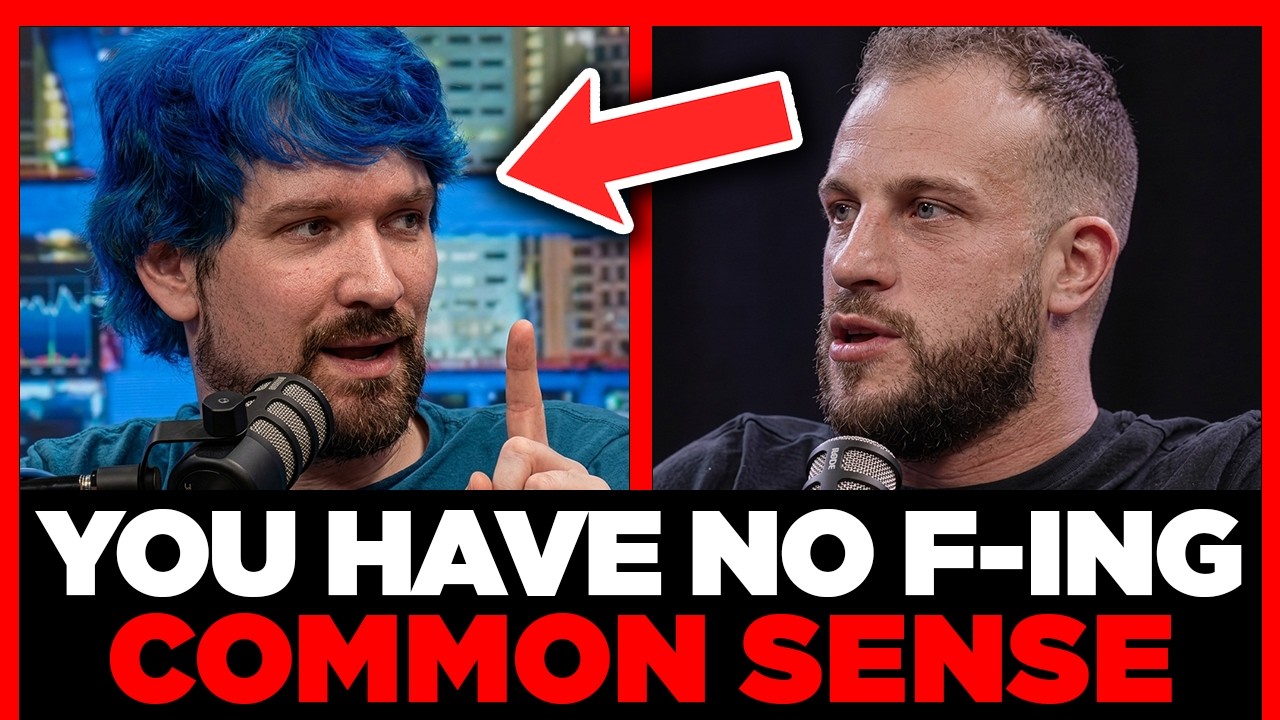
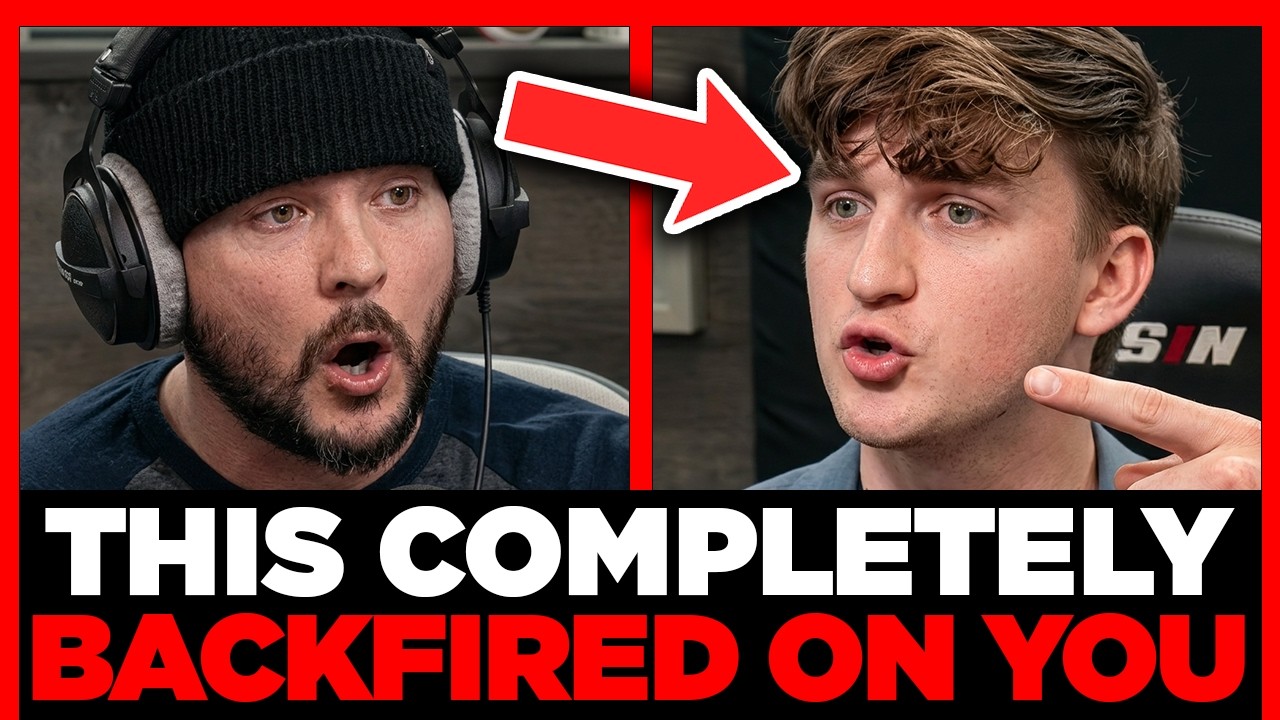
Luke Beasley HUMILIATES Tim Pool LIVE on HIS OWN SHOW
Posted
August 20, 2026
Views
3,259
Likes
162
Comments
44
Engagement
6.32%
August 20, 2026
3,259
162
44
6.32%
Every word spoken in this episode is indexed. Type any phrase to jump straight to the moment it was said.
Type any word or phrase that may have been spoken. Click a result to seek the player to that exact moment.
Try a name, a topic, or a quoted line
 19:04Now Playing
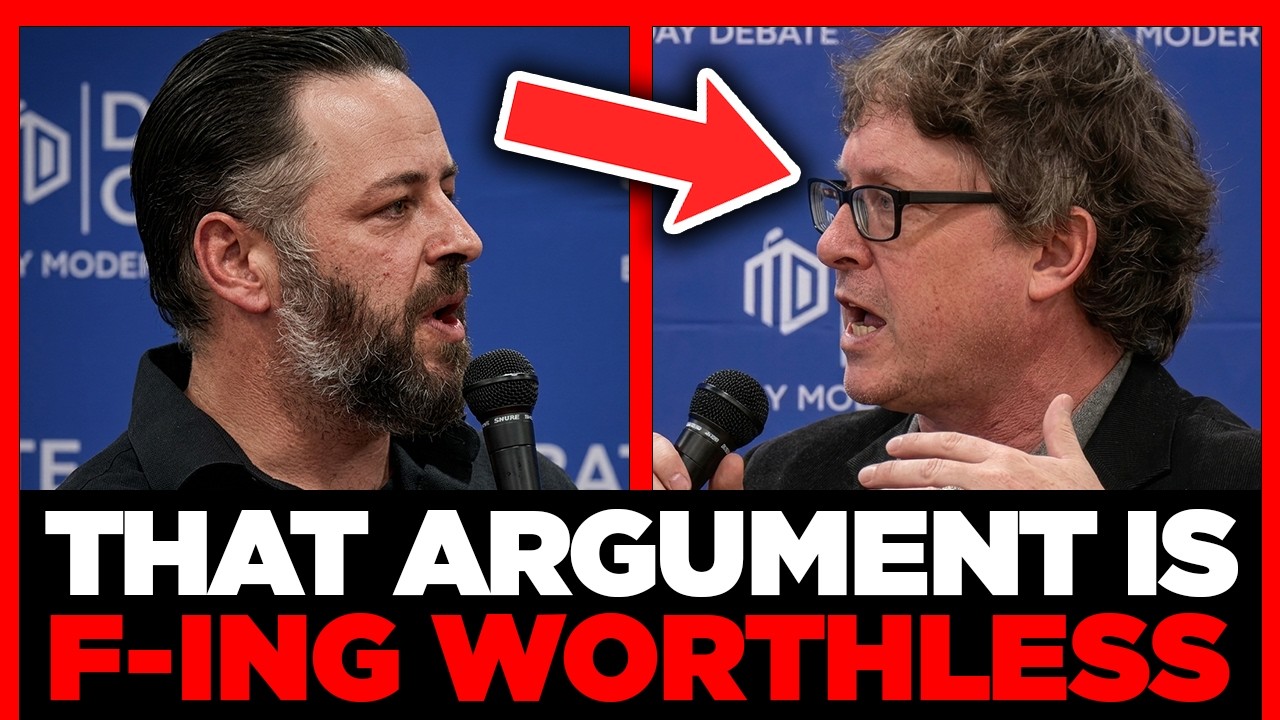
In this video, Luke Beasley sits down with Tim Pool on Timcast IRL for one of the most heated exchanges the show has produced on the subject of political violence in America, and the argument goes places neither of them seemed to expect when it started. What begins as a fairly standard disagreement about which side of the political spectrum is more prone to violence turns into a much sharper fight about evidence, court verdicts, presidential pardons, and what it actually means to respect a legal process you disagree with.
The setup is simple enough. Tim Pool leans on two decades of field reporting at protests and demonstrations, arguing that the mainstream picture of right-wing violence is built on press releases and media narratives rather than firsthand knowledge. Luke Beasley pushes back on method rather than anecdote, arguing that individual stories of crime tell you nothing about broad trends, and that the way to understand political violence is through data rather than a collection of incidents chosen to make a point. That disagreement about how you know anything at all runs underneath the entire conversation, and it becomes the reason the two of them keep talking past each other.
From there the conversation moves into the harder material. The two go back and forth over whether elected officials on the left were quicker to excuse unrest during the protests of 2020 than officials on the right were to condemn the riot at the Capitol. Luke makes the argument that the initial condemnation from Republican politicians was nearly unanimous, and that the later reversal is the part worth explaining. Tim counters with a list of cases he believes were prosecuted unfairly, including people he says were charged over speech or over minor offenses, and argues that clemency in those cases is a matter of basic fairness rather than an endorsement of anything that happened that day.
The temperature rises sharply when the subject turns to pardons. Luke's position is that juries reached verdicts after hearing evidence, and that a president reaching in to erase those outcomes should require something extraordinary. Tim responds by accusing him of making an authoritarian argument, claiming that treating the legal system's outcome as binding is itself a dangerous position. That exchange is the emotional center of the video, and it is where the two men are furthest apart on principle rather than on facts.
The final stretch is the part most people will want to see. Tim challenges Luke to explain why Enrique Tarrio, the former Proud Boys leader, is in prison, and insists there is no evidence of any organized plan. He then pulls up sources live on stream to check. What he finds on his own screen is the reporting on the coordination effort, the encrypted chats, the memo, and the code name used for the target, and the conversation shifts immediately once that lands. How he handles that moment says more about the state of political debate right now than anything either man argues on purpose.
Along the way this video adds historical context that helps make sense of the fight. The 1974 pardon of Richard Nixon by Gerald Ford is a useful comparison for anyone thinking about what it means when a president cuts short a legal process in the name of national healing, and the seditious conspiracy statute at the center of the Tarrio case traces back to the Civil War era, which explains why prosecutors reach for it so rarely and why a conviction under it carries the weight that it does.
This is essential viewing for anyone interested in political debates, left versus right arguments, political violence and crime statistics, presidential pardon power, the limits of legal process, debate breakdowns and reaction commentary, and long-form political shows like Timcast IRL. If you follow independent political media, live debate content, or reaction analysis of political interviews, this one is worth watching from start to finish.
Timcast IRL is a long-running live political show hosted by Tim Pool, known for its panel format and frequent debates with guests from across the political spectrum. Luke Beasley is a political commentator and YouTuber known for progressive commentary and for engaging directly with conservative media figures rather than only responding to them from a distance.
So what do you think? Was Luke right that a jury verdict deserves that much weight, or does Tim have a point about people being held too long over minor charges? Drop your take in the comments, and let me know whether you think either of them actually changed a mind here.
Sentinel Indexing in Progress
Metadata and chapters are available. Claim extraction for this episode is pending.
All video content is delivered via YouTube embedded players in accordance with the YouTube Terms of Service. Sentinel provides research tools that promote discovery and accountability across political media.