Fast Politics W Molly Jong Fast
@fastpoliticspodcast·83.3K subscribers·475 videos
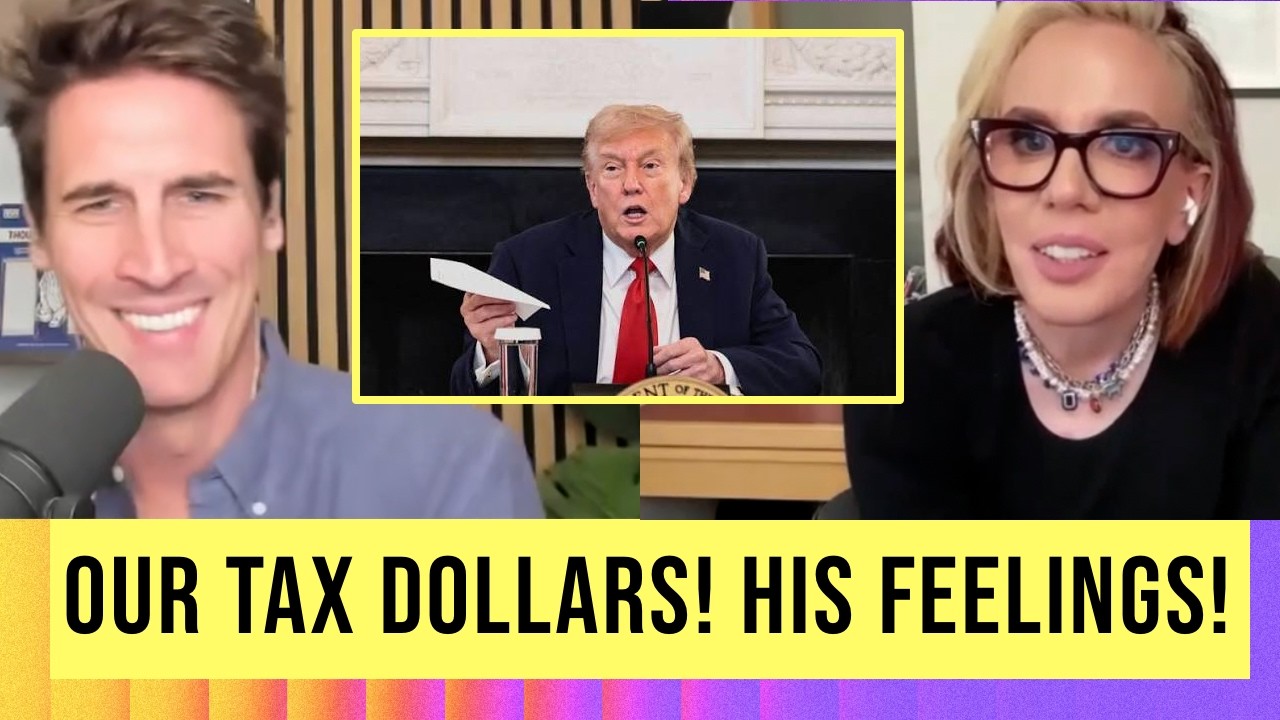
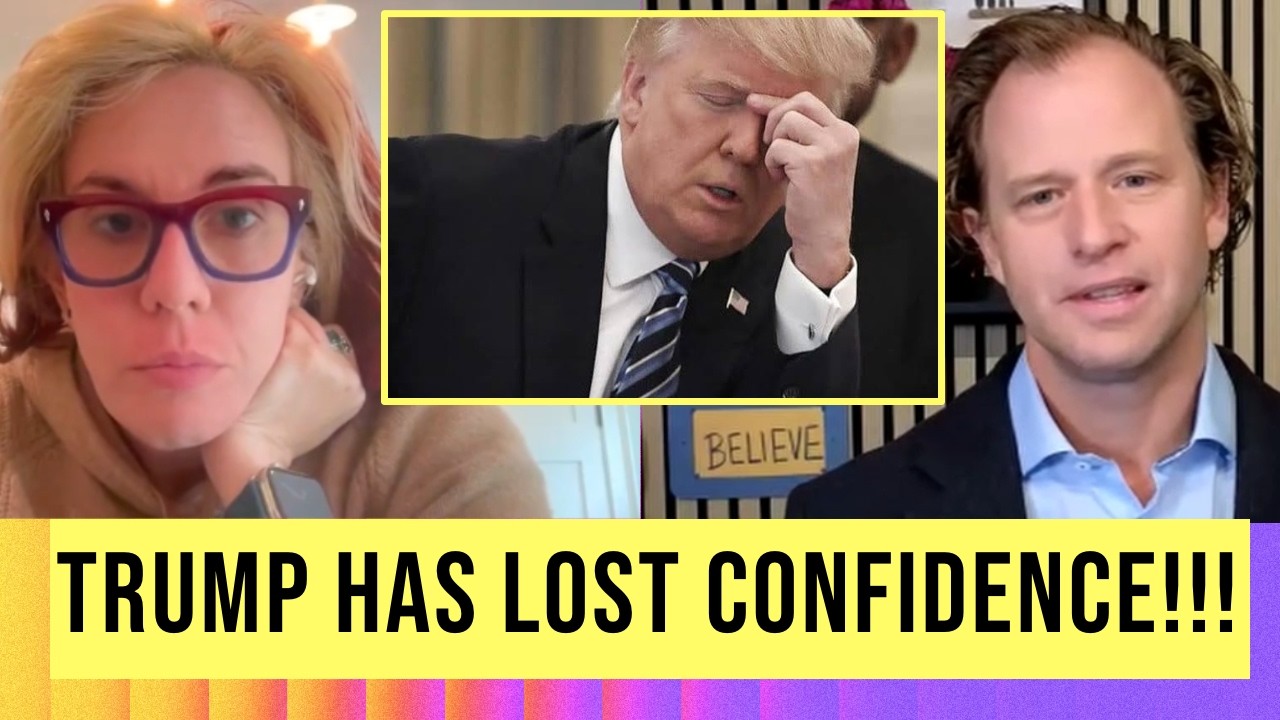
GOP Give Up On Trump’s Economic Leadership w/ Justin Wolfers
Posted
August 14, 2026
Views
15,392
Likes
1,248
Comments
101
August 14, 2026
15,392
1,248
101
8.76%
Every word spoken in this episode is indexed. Type any phrase to jump straight to the moment it was said.
Type any word or phrase that may have been spoken. Click a result to seek the player to that exact moment.
Try a name, a topic, or a quoted line
 18:36Now Playing
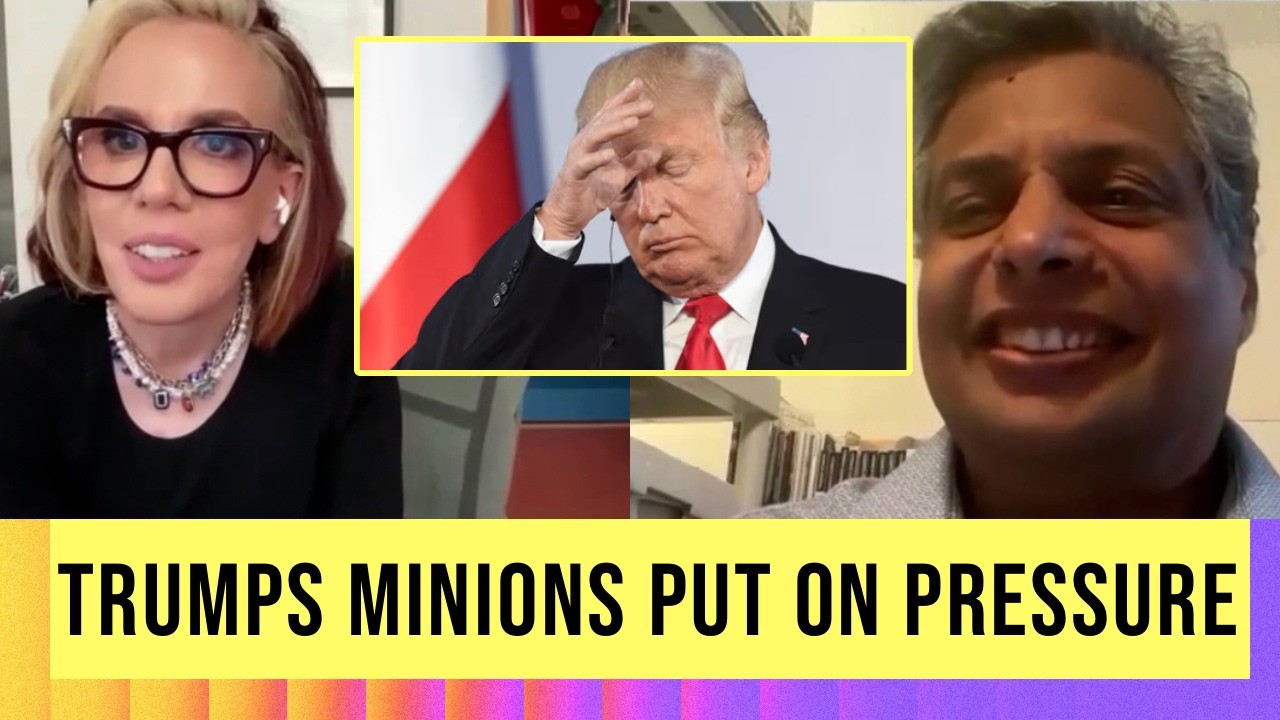
Molly JongFast interviews Platypus Economics Justin Wolfers about why presidents are usually blamed for economic outcomes they don’t fully control, but argues this time several major disruptions *are* politically drivenespecially a renewed trade war that he says has hurt manufacturing and become “good money after bad.” They discuss how the Trump budget and policy incentives allegedly shifted resources upward and led to millions being kicked off SNAP, framing these impacts as personal and immediate for families. Wolfers also explains the child tax credit through the lens of helping children rather than judging parents, and then turns to why consumer sentiment is so negative even when some indicators (markets, spending) look okayfocusing on fears that prices will rise faster than wages because people believe bosses set pay rather than market forces. The conversation touches on concerns about political pressure for rate cuts, skepticism about “stagflation,” criticism of rosy or dishonest economic messaging, and closes with what might restore confidencea credible fiscal plan to reassure bond markets and, more broadly, less “idiosyncratic”or “dumb”policy making.Subscribe to Fast Politics and listen 4x a week for interviews just like this on your favorite podcast app
Sentinel Indexing in Progress
Metadata and chapters are available. Claim extraction for this episode is pending.
All video content is delivered via YouTube embedded players in accordance with the YouTube Terms of Service. Sentinel provides research tools that promote discovery and accountability across political media.