Canadian Senate Scandal: Why Extremist Groups Are Being Allowed Into Our Institutions
November 23, 2025
8,839
963
298
14.27%
Search the Record
IndexedEvery word spoken in this episode is indexed. Type any phrase to jump straight to the moment it was said.
Type any word or phrase that may have been spoken. Click a result to seek the player to that exact moment.
Try a name, a topic, or a quoted line
Kevin Klein Episodes Around November 23, 2025
See what was published immediately before and after this episode.




 23:22Now Playing
Canadian Senate Scandal: Why Extremist Groups Are Being Allowed Into Our Institutions


YouTube Description
as posted by the channelThe latest episode of Inside Politics with Kevin Klein delivered an unflinching assessment of Canada’s deepening social fractures, government complacency, and a growing wave of extremist intimidation playing out across the country. Joined by Winnipeg Sun columnists Royce Koop, professor of political science at the University of Manitoba, and Lawrence Pinsky, KC, former human rights adjudicator, Klein led a wide-ranging discussion connecting foreign-influenced activism, campus unrest, and political paralysis at the highest levels of government.
The panel began with the explosive revelation that a Palestinian group was granted access to a Senate meeting room, where—according to Klein and Pinsky—the gathering devolved into open hostility and anti-Israel rhetoric. Pinsky called the event a “corruption of Canada’s political system,” noting that Canada recognized Palestine despite it lacking defined borders, democratic leadership, or functioning institutions. “How have we allowed groups aligned with terrorist organizations to gain platforms in our most important institutions?” he asked.
The discussion broadened as the panel examined a troubling surge in extremist rhetoric, including the flying of Palestinian flags at public events where Canadians were prevented from playing “O Canada.” Klein described it as a deeply symbolic moment: “You can raise the flag of a territory run by Hamas, but you’re told to turn off the Canadian anthem.”
Koop, while cautious about conflating all issues with immigration, acknowledged a severe “loss of trust” in the system, driven by years of mismanagement. Meanwhile, Pinsky cited a Global News report alleging hundreds of people with Hamas affiliations entered Canada under refugee or immigration streams—proof, he said, of a system that is “wide open to abuse.”
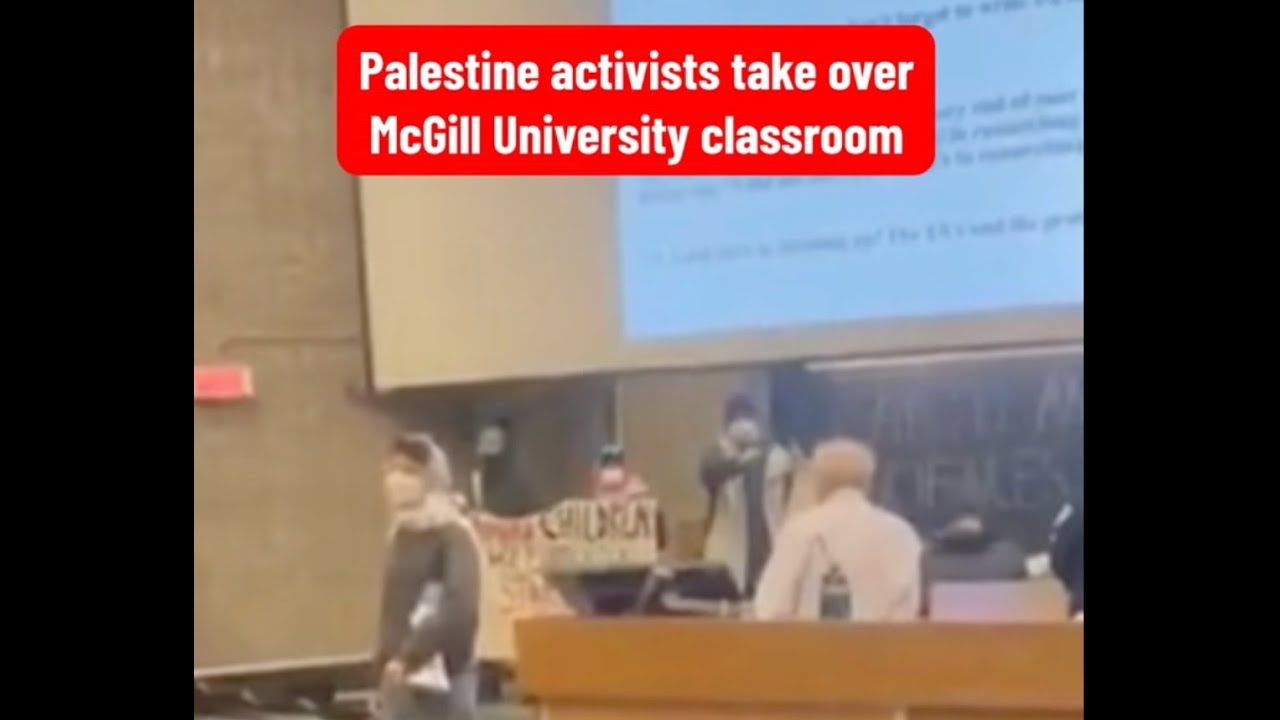
University campuses were another flashpoint. Klein highlighted incidents at McGill and Toronto Metropolitan University where Palestinian activists forcibly took over classrooms and events, leaving students intimidated and administrators largely silent. Pinsky argued this wasn’t protest, but “hijacking—just as past Palestinian movements hijacked planes, they now hijack narratives, classrooms, and public spaces.”
The episode’s bluntest warning came from Canada’s own intelligence chief, who recently cautioned that youth are being radicalized online at unprecedented levels. Yet, as Klein noted, “Not one Canadian politician responded. Not one.” The panel agreed this silence reflects a political class paralyzed by fear, electoral calculations, and a desire to avoid confrontation.
Klein closed with a stark assessment: “Canada is losing its identity, losing its confidence, and losing its grip on the rule of law. And our leaders are pretending nothing is happening.”
#canada #cdnpoli #politicalnews #politics #immigration
Guests & Subjects Covered
Sentinel Indexing in Progress
Metadata and chapters are available. Claim extraction for this episode is pending.
All video content is delivered via YouTube embedded players in accordance with the YouTube Terms of Service. Sentinel provides research tools that promote discovery and accountability across political media.