Collective Bargaining and the Bottom Line: Q&A with Heritage Foundation's James Sherk
Posted
March 3, 2011
Views
8,948
Likes
175
Comments
32
Engagement
2.31%
March 3, 2011
8,948
175
32
2.31%
Every word spoken in this episode is indexed. Type any phrase to jump straight to the moment it was said.
Type any word or phrase that may have been spoken. Click a result to seek the player to that exact moment.
Try a name, a topic, or a quoted line
Faced with an $8 billion budget deficit, Ohio Gov. John Kasich (R) is on the verge of signing a bill that would prevent state employees from using collective bargaining to negotiate their health and pension benefits. Wisconsin Gov. Scott Walker (R) has pushed a similar bill, which has drawn national attention, spawned weeks of protests, and sent Democratic lawmakers fleeing the state as a way to stall its passage.
Two other GOP governors facing major budget crises - New Jersey's Chris Christie and Michigan's Rick Snyder - have made it clear that they don't see restricting bargaining rights as the key to more austerity. Texas, North Carolina, and Louisiana face major budget deficits, and in those states public employees don't have collective bargaining rights.
To what extent is collective bargaining to blame for out-of-control state spending? Is clamping down on the ability of public-employee unions to negotiate an important tactic for closing what may grow to a combined $125 billion gap in state budgets next fiscal year?
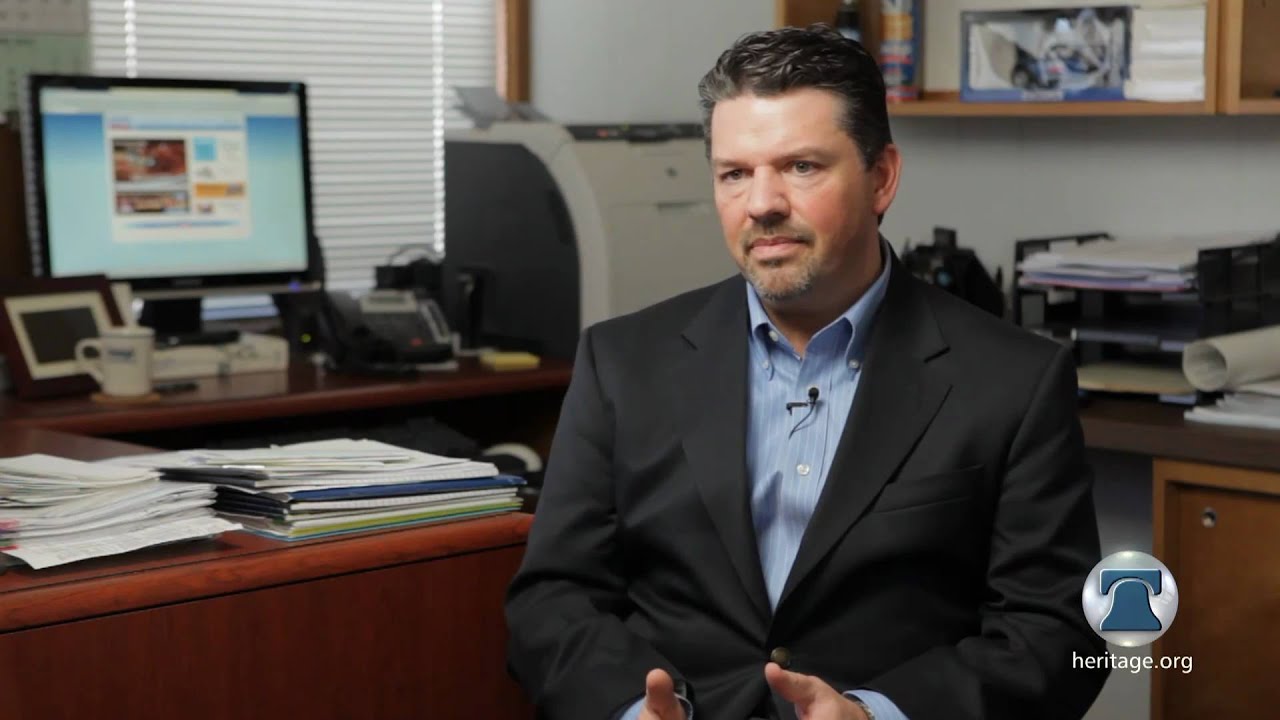
Reason.tv's Nick Gillespie sat down with the Heritage Foundation's James Sherk to talk about what collective bargaining means to the bottom line of states.
Approximately 5.30 minutes. Camera by Jim Epstein and Joshua Swain, and edited by Epstein.
Go to for downloadable versions, and subscribe to our YouTube channel to receive automatic notification when new material goes live.
Sentinel Indexing in Progress
Metadata and chapters are available. Claim extraction for this episode is pending.
All video content is delivered via YouTube embedded players in accordance with the YouTube Terms of Service. Sentinel provides research tools that promote discovery and accountability across political media.