Kings and Generals
@kingsandgenerals·4.2M subscribers·2.2K videos
Lenin vs Stalin on Ukraine self-determination
Posted
April 24, 2022
Views
7,431
Likes
364
Comments
107
Engagement
6.34%
April 24, 2022
7,431
364
107
6.34%
Every word spoken in this episode is indexed. Type any phrase to jump straight to the moment it was said.
Type any word or phrase that may have been spoken. Click a result to seek the player to that exact moment.
Try a name, a topic, or a quoted line
 26:53Now Playing
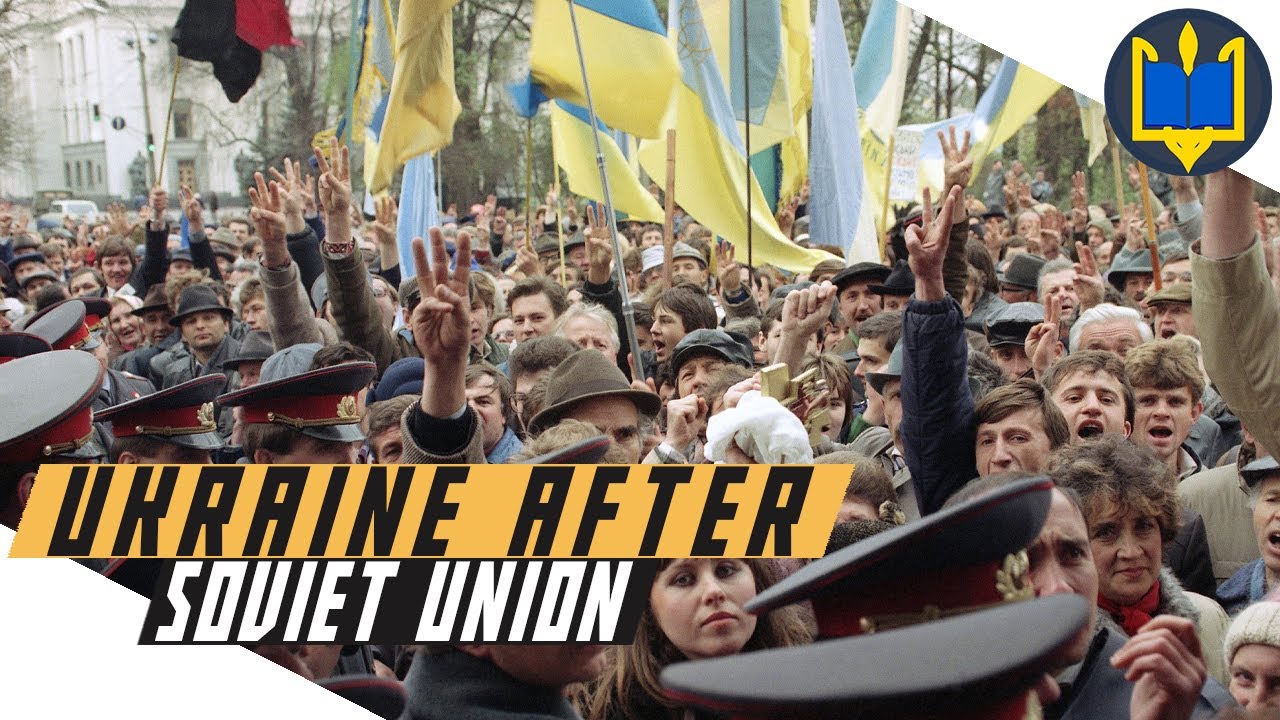
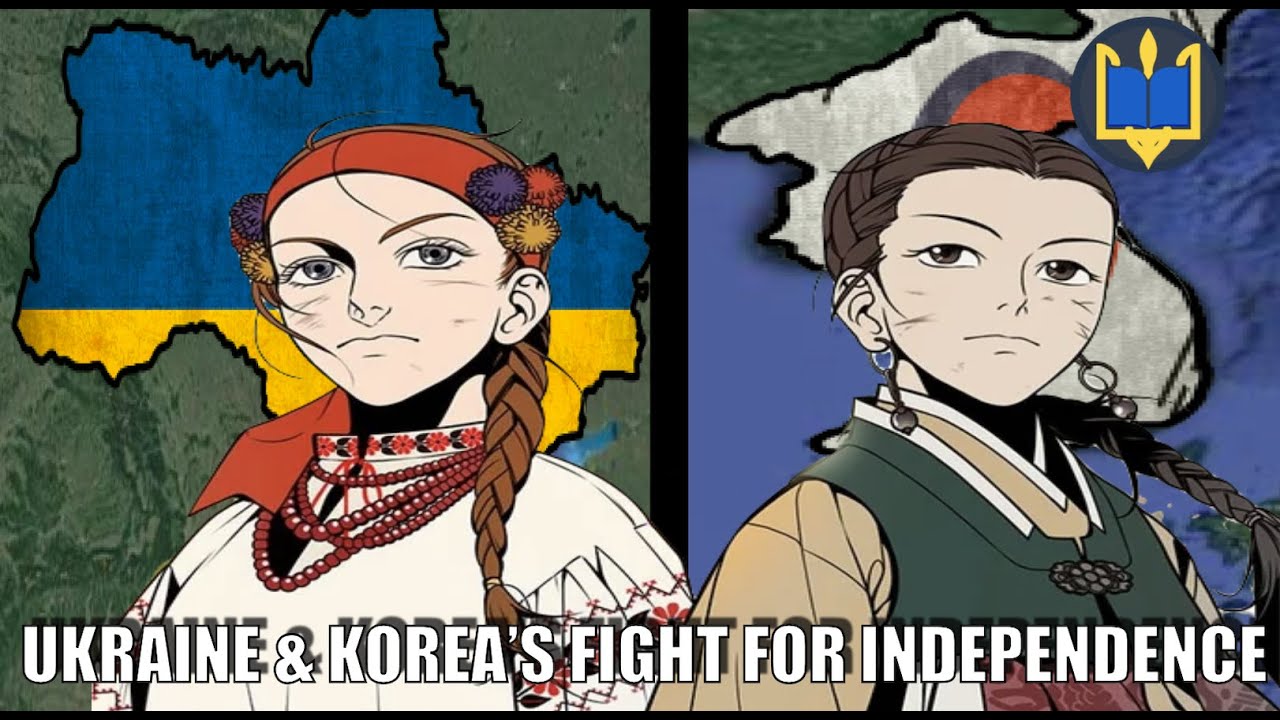
The question of Ukrainian nationalism has been, and continues to be, hotly debated on the left. This modern split in leftist views on Ukrainian self-determination has its roots deep in the early years of the Russian Revolution, and is reflected most obviously by the two opposing views of Vladimir Lenin and Joseph Stalin.
__________________________
Timestamps
__________________________
Charity for Ukraine
__________________________
Project Ukraine
__________________________
Media credit
Satellite imagery from www.csis.org.
__________________________
Sources
Andriewsky, Olga. “Towards a Decentred History: The Study of the Holodomor and Ukrainian Historiography.” East/West: Journal of Ukrainian Studies 2.1 (2015): 17–52.
Bezo, Brent, and Stefania Maggi. “Living in ‘Survival Mode:’ Intergenerational Transmission of Trauma from the Holodomor Genocide of 1932–1933 in Ukraine.” Social Science & Medicine 134 (2015): 87–94.
Davies, R. W, and Stephen G Wheatcroft. The Industrialisation of Soviet Russia. Soviet Agriculture 1931-1933. Vol. 5. Basingstoke: Palgrave Macmillan, 2010.
Harding, Emily. “Scenario Analysis on a Ukrainian Insurgency.” Center for Strategic & International Studies, 15 February 2022.
Ishchenko, Volodymyr. “Left Divergence, Right Convergence: Anarchists, Marxists, and Nationalist Polarization in the Ukrainian Conflict, 2013-2014.” Globalizations 17 (2020): 820–39.
———. “The Ukrainian Left during and after the Maidan Protests,” January 2016.
Kuromiya, Hiroaki. “Ukraine and Russia in the 1930s.” Harvard Ukrainian Studies 18.3/4 (1994): 327–41.
Kuzio, Taras. “Soviet and Russian Anti-(Ukrainian) Nationalism and Re-Stalinization.” Communist and Post-Communist Studies volume 49, no.1 (2016).
———. “Stalinism and Russian and Ukrainian National Identities.” Communist and Post-Communist Studies 50.4 (2017): 289–302.
Lenin, Vladimir Ilyich. “Letter to the Workers and Peasants of the UkraineApropos of the Victories Over Denikin.” Pravda 3 (1920).
. “More About ‘Nationalism.’” Translated by Bernard Isaacs and Joe Fineberg. Put Pravdy 17 (1914).
. “On Soviet Rule In The Ukraine Draft Resolution Of The C.C., R.C.P.(B.),” November 1919.
. “On the National Pride of the Great Russians.” SotsialDemokrat 35 (1914).
Martín, Jorge. “UkraineSome Observations on the National Question and Russian Intervention.” In Defence of Marxism, 10 February 2022.
Montefiore, Simon Sebag. “Why Putin Is Beholden to Stalin’s Legacy.” New Statesman, 9 March 2022.
Motyl, Alexander J. “DELETING THE HOLODOMOR: Ukraine Unmakes Itself.” World Affairs 173.3 (2010): 25–33.
Rozenas, Arturas, Sebastian Schutte, and Yuri Zhukov. “The Political Legacy of Violence: The Long-Term Impact of Stalin’s Repression in Ukraine.” The Journal of Politics 79.4 (2017): 1147–61.
Szporluk, Roman. “Lenin, ‘Great Russia,’ and Ukraine.” Harvukrastud Harvard Ukrainian Studies 28.1–4 (2006): 611–26.
Wolczuk, Kataryna. The Moulding of Ukraine The Constitutional Politics of State Formation. Budapest: Central European University Press, 2013.
“Letter to the Workers and Peasants of the Ukraine Apropos of the Victories Over Denikin,” 28 December 1919.
______________________
_______________________
Sentinel Indexing in Progress
Metadata and chapters are available. Claim extraction for this episode is pending.
All video content is delivered via YouTube embedded players in accordance with the YouTube Terms of Service. Sentinel provides research tools that promote discovery and accountability across political media.