Matt Beat
@iammrbeat·1.4M subscribers·960 videos
The American Presidential Election of 1868
Posted
February 8, 2016
Views
285,136
Likes
4,153
Comments
279
Engagement
1.55%
February 8, 2016
285,136
4,153
279
1.55%
Every word spoken in this episode is indexed. Type any phrase to jump straight to the moment it was said.
Type any word or phrase that may have been spoken. Click a result to seek the player to that exact moment.
Try a name, a topic, or a quoted line
 4:35Now Playing
The Ultimate American Presidential Election BookEvery Presidential Election in American History (17882024) is now available!
Mr. Beat's band
Help Mr. Beat spend more time making videos
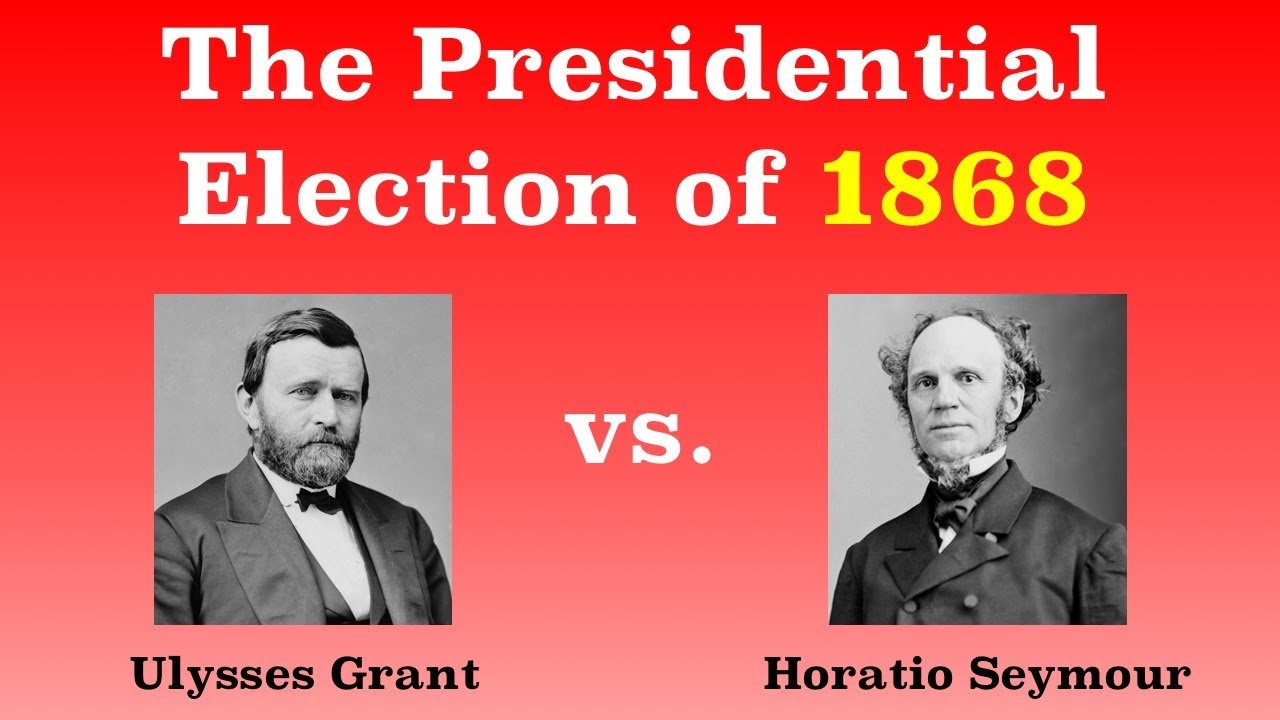
The 21st episode in a very long series about the American presidential elections from 1788 to the present. In 1868, the country is still healing after the Civil War, and a Civil War Union hero faces off against someone who doesn't want to be running for President. I mean, REALLY doesn't want to be running.
Feeling extra dorky? Then visit here:
The 21st Presidential election in American history took place on November 3rd, 1868. It was the first one to take place after the Civil War, and the first to take place during a period historians refer to as the Reconstruction Era. The country was still healing. The wounds were still fresh. Three of the former Confederate states, Texas, Mississippi, and Virginia, hadn’t even yet been officially brought back into the Union.
Andrew Johnson had taken over as President after Abraham Lincoln was assassinated. Now, he didn’t even get renominated by the Democratic Party. He had managed to make a lot of people mad during his Presidency, especially the Radical Republicans, who favored a stricter Reconstruction policy which punished former Confederate leaders and equal rights for African Americans.
Every time Johnson vetoed one of their Reconstruction bills, they overrode his vetoes. Things got ugly. In fact, Johnson was the first President ever impeached, for breaking the Office of Tenure Act. Although he wasn’t kicked out of office, by just one vote I might add, his reputation was badly hurt after this. So yeah, the Democratic Party was like, let’s get somebody else.
They found Horatio Seymour, who absolutely did not want to be the nominee. Seriously, it was crazy. I have never seen someone so badly not want the nomination actually get it. Seymour was the former governor of New York, and was the Democratic Party convention chairman. He repeatedly and vocally told everyone there he didn’t want the nomination, but everyone there couldn’t passionately get behind someone other than, Seymour. So he finally accepted. The Democrats nominated Francis Blair, a former representative and Civil War general from Missouri, for Vice President.
Meanwhile, the Union Party was once again the Republican Party. It was important for the party to nominate a popular Civil War hero as their candidate. Fortunately, General Ulysses Grant, who just so happened to be the hero who helped the North win the Civil War, announced to everyone he was a Republican. He was unanimously nominated on the first ballot. The Republicans nominated Schuyler Colfax, the Speaker of the House, for Vice President. Colfax, who represented Indiana, was one of those Radical Republicans I mentioned earlier that clashed with Andrew Johnson.
It had appeared it would be a close race. In Grant’s letter of acceptance, he said “let us have peace.” That ended up becoming like a slogan for his campaign. The Radical Republicans ended up being loudest on the campaign trail, even though Grant was certainly not one himself.
Seymour ran on a platform calling for the repayment of the war debt in greenbacks, a form of currency not backed by gold or silver.
The campaigns turned a bit vicious. Grant supporters said Seymour would probably commit suicide because his dad did. Seymour supporters said Grant was a drunk.
This was the first election in which African American men could vote, and because many white southerners could not vote yet, this looked to give Grant the edge. Also, since the last election, Nebraska had been admitted to the Union, so they got to participate in a presidential election for the first time. Yay for them.
Sentinel Indexing in Progress
Metadata and chapters are available. Claim extraction for this episode is pending.
All video content is delivered via YouTube embedded players in accordance with the YouTube Terms of Service. Sentinel provides research tools that promote discovery and accountability across political media.