Military1945
@m1945·37K subscribers·441 videos
Waffen SS Trap That Worked: How Manstein Destroyed the Soviet Spearhead
Posted
March 29, 2026
Views
461
Likes
18
Engagement
3.90%
March 29, 2026
461
18
3.90%
Every word spoken in this episode is indexed. Type any phrase to jump straight to the moment it was said.
Type any word or phrase that may have been spoken. Click a result to seek the player to that exact moment.
Try a name, a topic, or a quoted line
 0:29Now Playing
*Explore the Full Archive (7,000+ Films)*
I’ve digitized over 7,000 rare films to preserve this history. Open a free account to browse and purchase raw high-res reels here:
*Support the Mission on Patreon*
Get exclusive access to raw footage and preview all upcoming uploads:
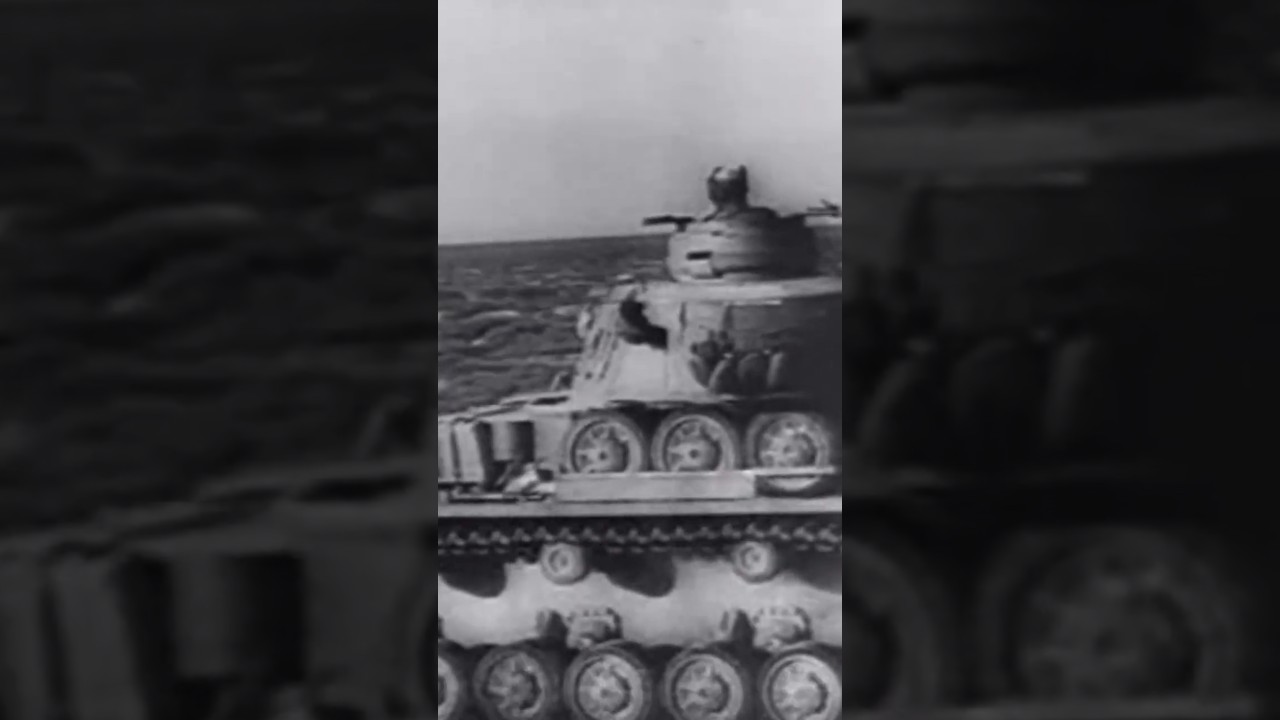
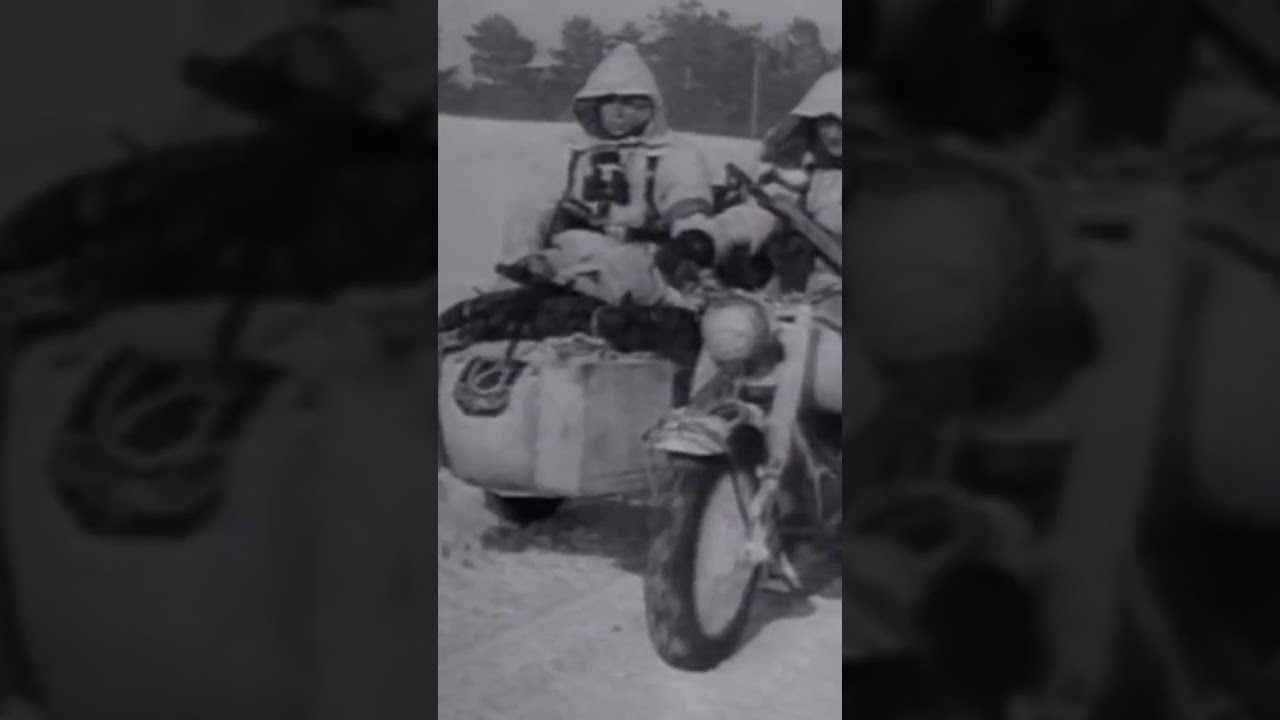
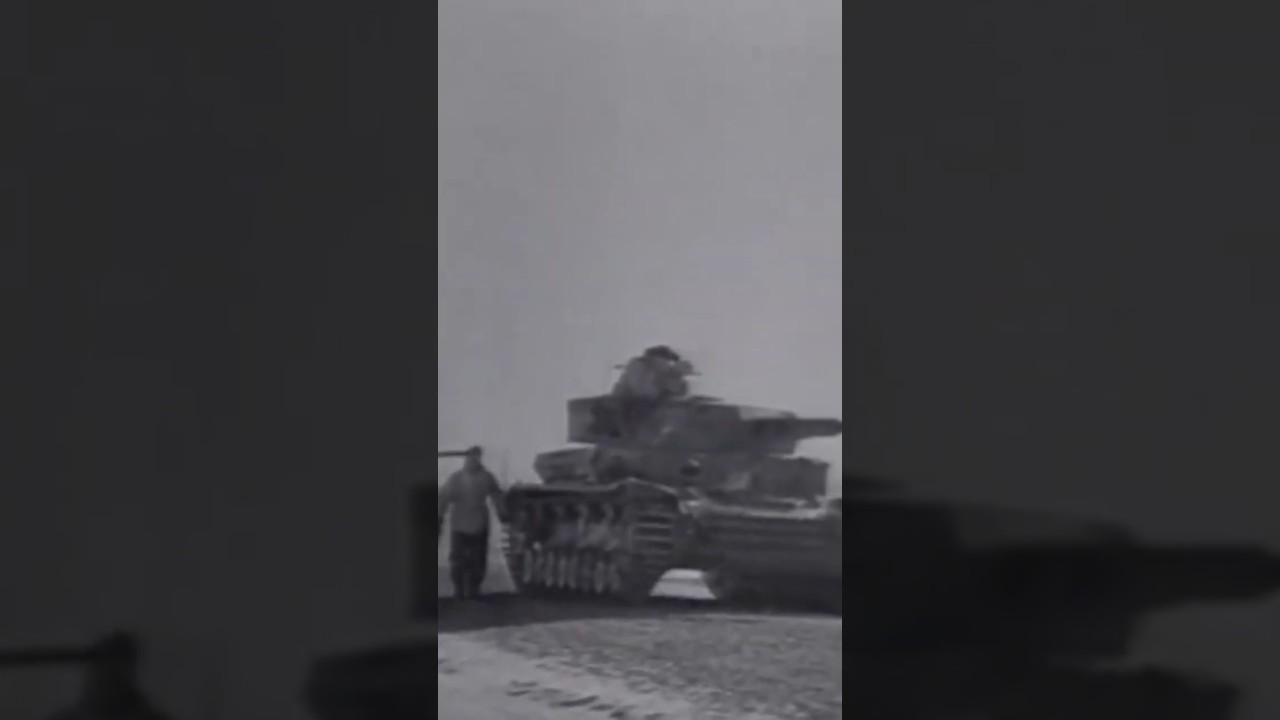
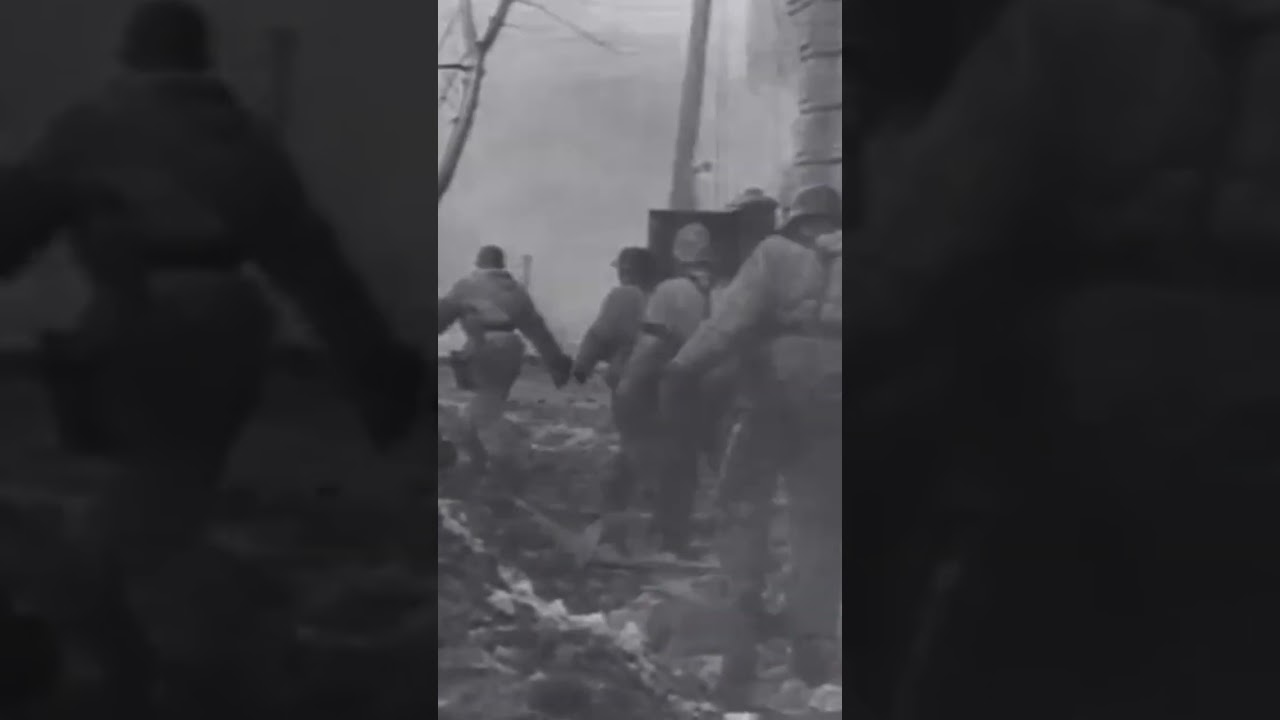
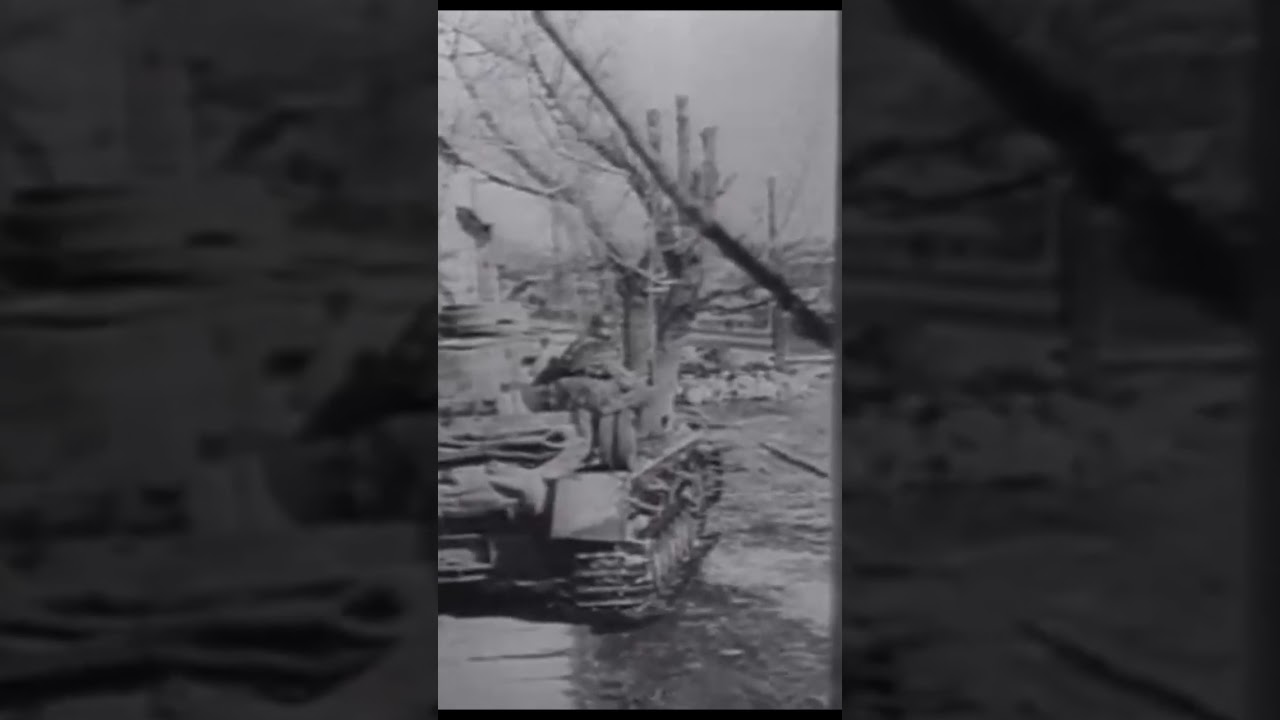
The Third Battle of Kharkov was a series of battles on the Eastern Front of World War II, undertaken by Nazi Germany's Army Group South against the Soviet Red Army, around the city of Kharkov between 19 February and 15 March 1943. Known to the German side as the Donets Campaign, and in the Soviet Union as the Donbass and Kharkov operations, the German counterstrike led to the recapture of the cities of Kharkov and Belgorod.
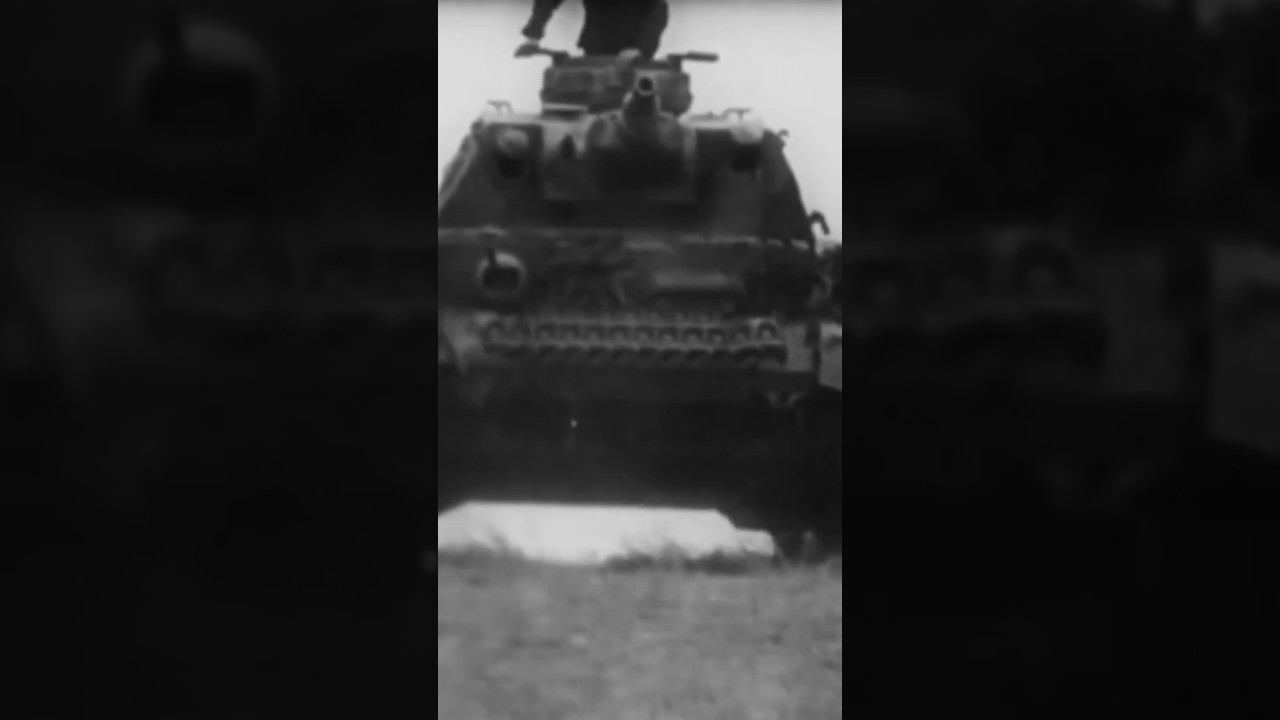
As the German 6th Army was encircled in the Battle of Stalingrad, the Red Army undertook a series of wider attacks against the rest of Army Group South. These culminated on 2 January 1943 when the Red Army launched Operation Star and Operation Gallop, which between January and early February broke German defenses and led to the Soviet recapture of Kharkov, Belgorod, Kursk, as well as Voroshilovgrad and Izium. These victories caused participating Soviet units to over-extend themselves. Freed on 2 February by the surrender of the German 6th Army, the Red Army's Central Front turned its attention west and on 25 February expanded its offensive against both Army Group South and Army Group Center. Months of continuous operations had taken a heavy toll on the Soviet forces and some divisions were reduced to 1,000–2,000 combat-effective soldiers. On 19 February, Field Marshal Erich von Manstein launched his Kharkov counterstrike, using the fresh II SS Panzer Corps and two panzer armies.
The Wehrmacht flanked, encircled, and defeated the Red Army's armored spearheads south of Kharkov. This enabled Manstein to renew his offensive against the city of Kharkov proper on 7 March. Despite orders to encircle Kharkov from the north, the SS Panzer Corps instead decided to directly engage Kharkov on 11 March. This led to four days of house-to-house fighting before Kharkov was recaptured by the SS Division Leibstandarte on 15 March. The German forces recaptured Belgorod two days later, creating the salient which in July 1943 would lead to the Battle of Kursk. The German offensive cost the Red Army an estimated 90,000 casualties. The house-to-house fighting in Kharkov was also particularly bloody for the German SS Panzer Corps, which had suffered approximately 4,300 men killed and wounded by the time operations ended in mid-March.
Sentinel Indexing in Progress
Metadata and chapters are available. Claim extraction for this episode is pending.
All video content is delivered via YouTube embedded players in accordance with the YouTube Terms of Service. Sentinel provides research tools that promote discovery and accountability across political media.