Minnesota Senate Media Services
@mnsenatemedia·10.8K subscribers·6.8K videos
Senate Passes Pension Reform, Ratifies State Contracts
Posted
March 26, 2018
Views
534
March 26, 2018
534
Every word spoken in this episode is indexed. Type any phrase to jump straight to the moment it was said.
Type any word or phrase that may have been spoken. Click a result to seek the player to that exact moment.
Try a name, a topic, or a quoted line
 25:33Now Playing
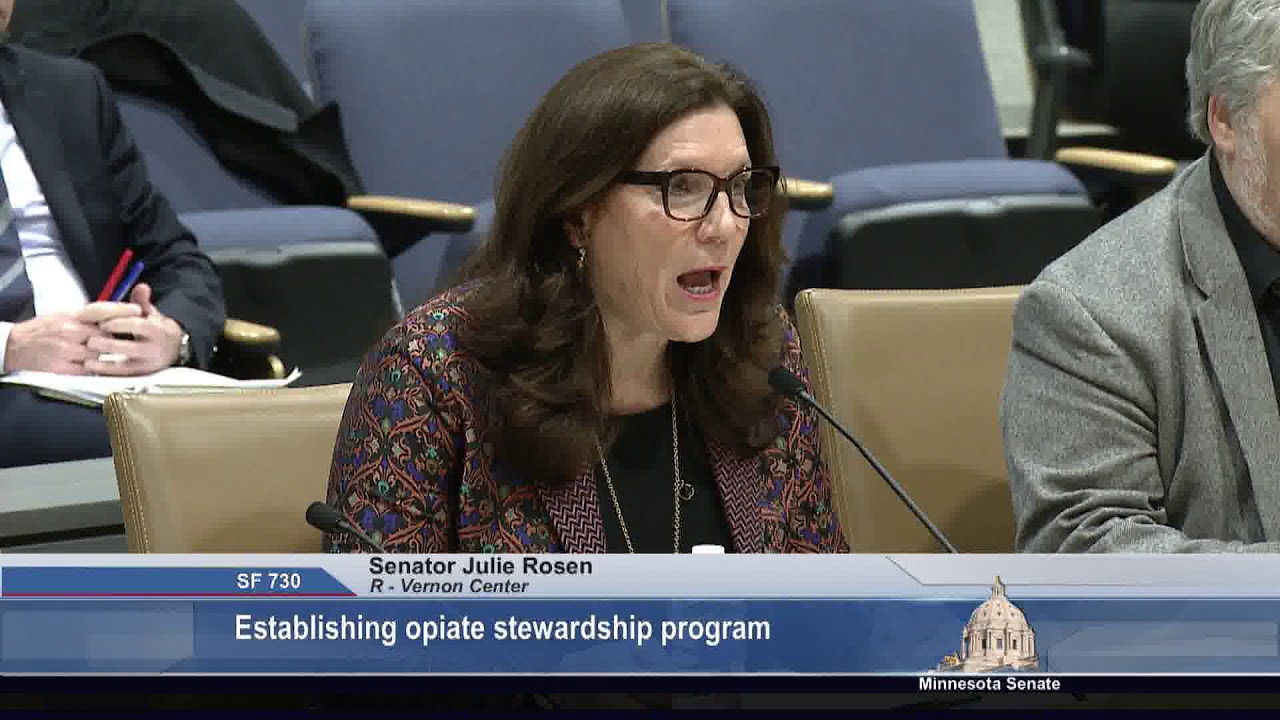
The Minnesota Senate on Monday, March 26, approved two bills related to state employment. The first measure, SF 2620, sponsored by Senator Julie Rosen, R-Vernon Center, attempts to improve the financial sustainability of the state's various public pensions. The second bill, SF 3154, authored by Senator Jeremy Miller, R-Winona, ratifies the approved contracts and and compensation plans for state employees.
According to Rosen, chair of the Legislative Commission on Pensions and Retirement, the bill reflects three years of collaboration among many of the stakeholders and reflects the reality that Minnesotans are living two years longer than previously assumed. "We also realized that the rate of return was too high and would worsen the deficiencies and funding status of the state pension plans," she said.
Former chair of the pension commission, Senator Sandy Pappas, DFL-St. Paul, said, "This is must-do legislation." She added, "Our current situation is serious. Minnesota has $80 billion in pension liabilities and $60 billion in assets to pay those promises. So we are 75 percent funded, and some people may think that is adequate, but let me tell you, it's not."
According to Miller, the bill ratifying the state contracts covers ten contracts. Among those contracts, the administrative branch employees would see a 2 percent salary increase effective July 1, 2017, and a 2.25 percent increase effective July 1, 2018. Additionally, some of the employees could be eligible for a merit increase ranging from 2.75 percent to 3.5 percent. Miller explained that about one-half of the state employees are eligible for the merit increases.
Sentinel Indexing in Progress
Metadata and chapters are available. Claim extraction for this episode is pending.
All video content is delivered via YouTube embedded players in accordance with the YouTube Terms of Service. Sentinel provides research tools that promote discovery and accountability across political media.