Minnesota Senate Media Services
@mnsenatemedia·10.8K subscribers·6.8K videos
Session Update: Differing Proposals Begin Budgeting Process
Posted
March 24, 2021
Views
57
March 24, 2021
57
Every word spoken in this episode is indexed. Type any phrase to jump straight to the moment it was said.
Type any word or phrase that may have been spoken. Click a result to seek the player to that exact moment.
Try a name, a topic, or a quoted line
 2:48Now Playing
Within the last week, the Senate, the House and the Governor released their priorities for Minnesota’s next two year budget. Their respective positions establish a baseline for the budget negotiations, which must be completed by the beginning of the next fiscal year, July 1, to prevent a government shutdown.
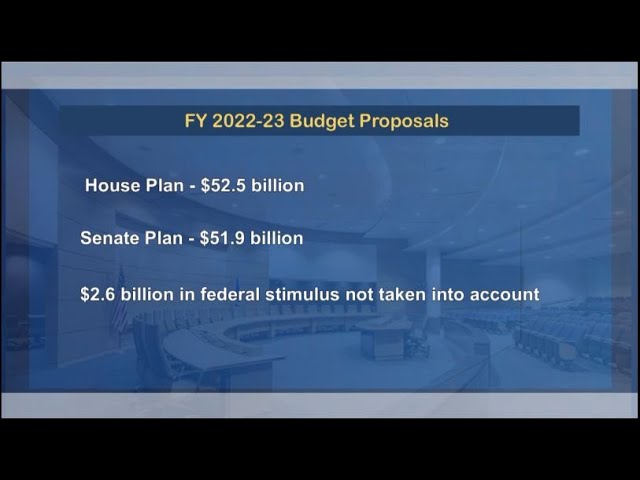
The House budget proposal totals $52.5 billion dollars, while the Senate proposes $51.9 billion dollars in General Fund spending. The Governor's proposal falls somewhere in between the two. None of the budget positions account for the nearly $2.6 billion dollars the state is expected to receive in federal stimulus funds.
The Senate proposes $591 million dollars in tax relief through several measures already passed by the Senate, such as relieving the tax burden on Minnesota employers who accepted federal Paycheck Protection Program dollars and unemployed Minnesotans who received an additional federal unemployment stipend. Governor Walz has indicated agreement with the tax relief but would cap the Paycheck Protection Program forgiveness at $350,000 and the unemployment relief at $10,200. To raise revenue, the Governor has proposed the creation of a fifth income tax bracket tier for the highest earners as well as a higher corporate tax rate. The House plans to reveal their tax proposal in early April.
In the area of education, the Senate proposes $19.8 billion dollars for the coming biennium and includes efforts to increase teachers of color, address educational disparities and improve students’ mental health. The House would spend $20.8 billion dollars, with an additional $716 million directed to early childhood and $107 million for summer programs to get kids back on track. Governor Walz has requested $150 million dollars from the legislature to boost summer learning efforts.
Finally, the Senate proposes five percent cuts across state agency budgets while increasing funding for broadband expansion, transportation projects and jobs and economic development. The House plan also seeks to expand broadband access as well as provide money for Paid Family and Medical Leave and Earned Sick and Safe Time. The Governor’s proposal would expand the Working Family Tax Credit and also provide funding for Earned Sick and Safe Time.
Sentinel Indexing in Progress
Metadata and chapters are available. Claim extraction for this episode is pending.
All video content is delivered via YouTube embedded players in accordance with the YouTube Terms of Service. Sentinel provides research tools that promote discovery and accountability across political media.