Mother Jones
@motherjones·358K subscribers·1.1K videos
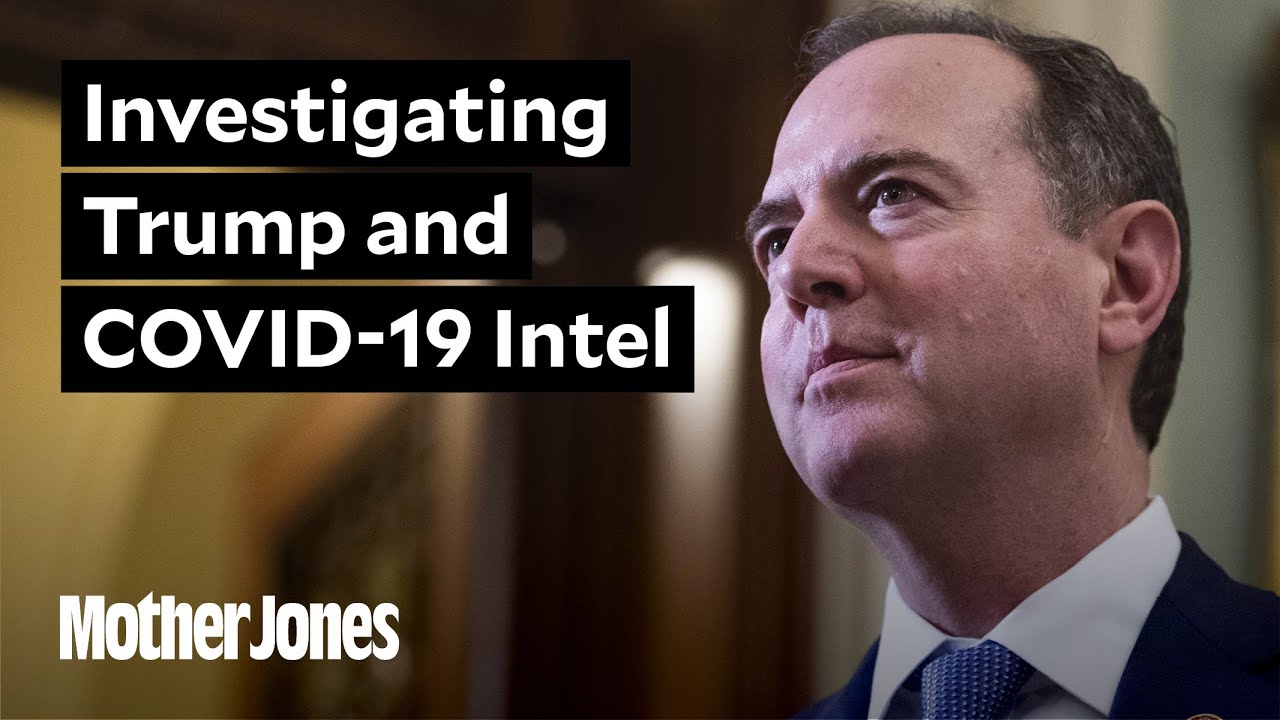
Rep. Schiff on Investigating Trump and Coronavirus Intelligence
Posted
April 14, 2020
Views
2,867
Likes
31
Comments
20
Engagement
1.78%
April 14, 2020
2,867
31
20
1.78%
Every word spoken in this episode is indexed. Type any phrase to jump straight to the moment it was said.
Type any word or phrase that may have been spoken. Click a result to seek the player to that exact moment.
Try a name, a topic, or a quoted line
 1:39Now Playing
► For more, visit Mother Jones
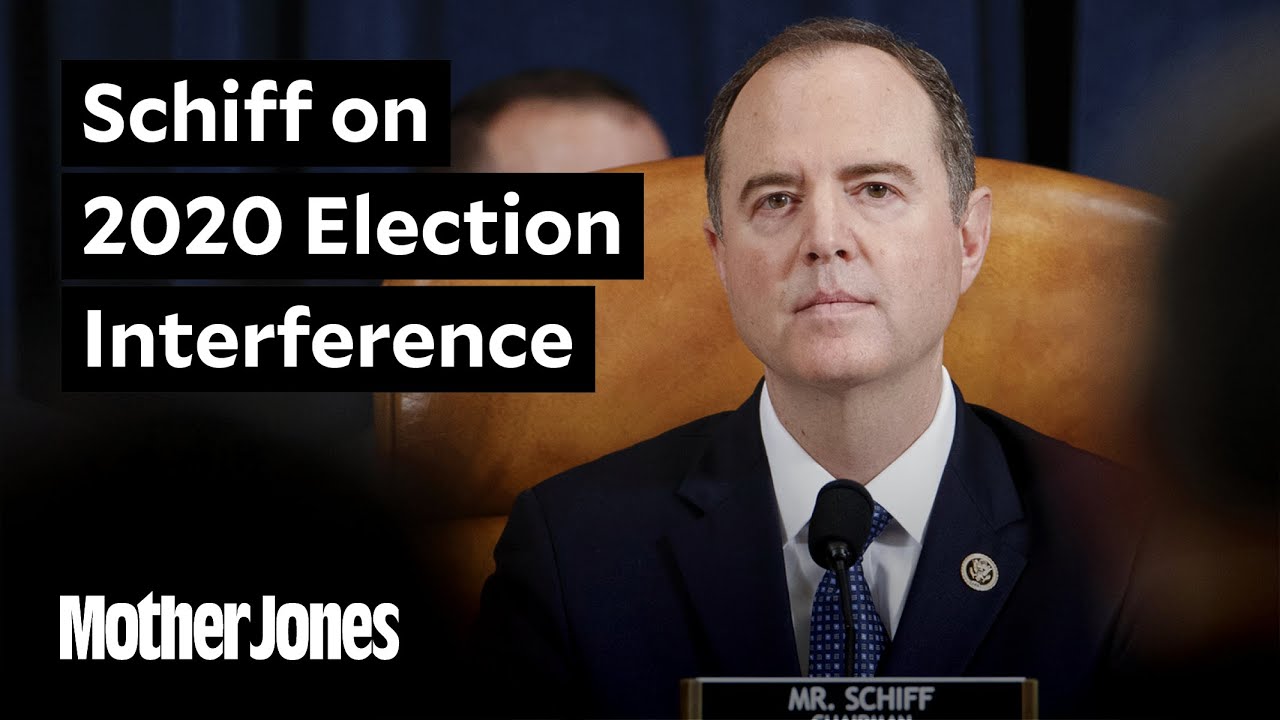
Rep. Adam Schiff (D-Calif.) has been a relentless chaser of Trump corruption. As the top ranking Democrat on the House Intelligence Committee in 2017 and 2018, he pushed for a robust investigation of the Trump-Russia scandal, as the Republicans then in control of the House resisted such efforts and sought to protect Donald Trump. After Schiff became chairman of the committee last year, he oversaw the congressional probe of the Trump-Ukraine scandal, ran the House impeachment hearings, and led the House impeachment managers during the Senate trial. Once Trump was acquitted by the Senate Republicans, it seemed that Schiff’s investigative pursuits might peter out in the remaining months before the coming election. But the coronavirus pandemic and Trump’s lackadaisical and inept response has raised questions about the intelligence that was shared with the White House about the looming crisis—it’s been reported Trump received classified warnings in January and February—and whether Trump ignored the intelligence. And Schiff says he is now on the case.
In an interview with Mother Jones, Schiff notes that his intelligence committee is investigating what information the intelligence community obtained in the early days of the coronavirus epidemic, what material reached Trump, and the president responded. Schiff says this review seeks to “determine when did the intelligence community first start reporting about this. What were they telling us, frankly, about the danger of pandemics even before this one? What did they first observe going in in China? When did it first make its way into the President’s Daily Briefing [from the intelligence agencies] or get briefed to Congress?”
Schiff points out that there has been much public reporting “in terms of when the earliest indications[were],” but many questions remain: “What level of the intelligence community was concerned about this? Was it flashing red lights, as some have characterized it, or was it much less, as others have characterized it?” Part of the investigation will focus on what Trump knew and when he knew it: “So much of the information was in the public record. You had the Chinese reporting the virus. You had the WHO reporting the virus. You had the president’s own people publicly talking about the danger and even well after the virus was an established fact—that it was spreading and coming to the United States—you still had the president talking it down like it would be no worse than the flu…and it was under control.”
--
For more awardwinning independent reporting, visit Mother Jones
Sentinel Indexing in Progress
Metadata and chapters are available. Claim extraction for this episode is pending.
All video content is delivered via YouTube embedded players in accordance with the YouTube Terms of Service. Sentinel provides research tools that promote discovery and accountability across political media.