Mother Jones
@motherjones·358K subscribers·1.1K videos
Top Obama Aide on a Biden Presidency: "Seize This Moment of Truth"
Posted
May 21, 2020
Views
521
Likes
11
Comments
2
Engagement
2.50%
May 21, 2020
521
11
2
2.50%
Every word spoken in this episode is indexed. Type any phrase to jump straight to the moment it was said.
Type any word or phrase that may have been spoken. Click a result to seek the player to that exact moment.
Try a name, a topic, or a quoted line
 2:14Now Playing
► For more, visit Mother Jones
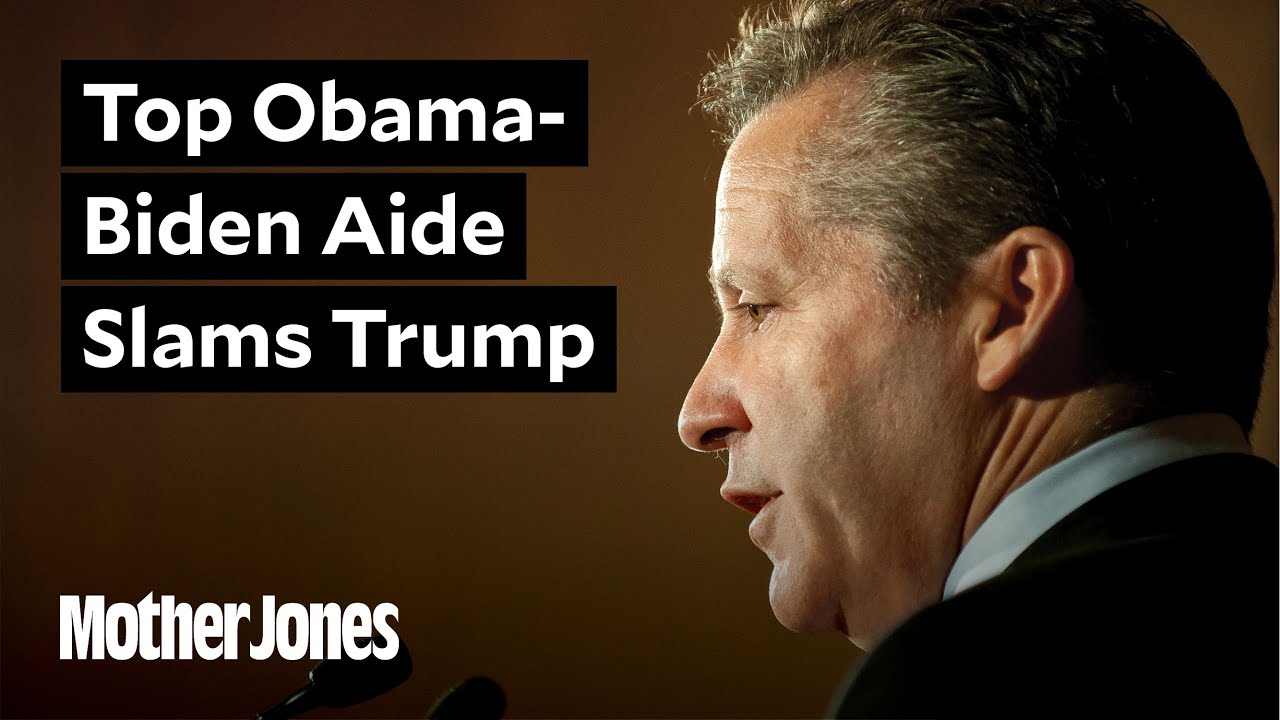
Gene Sperling was a top economic adviser to both President Bill Clinton and President Barack Obama. In those positions, he was involved in many of the key economic policy battles of the past few decades. During the Clinton years, he helped enact an expansion of the earned income tax credit—a major anti-poverty measure—and the creation of the Children’s Health Insurance Program. In the Obama White House, he worked closely with the president and vice president to save the economy after the crash of 2008. And he battled with congressional Republicans over budgets, taxes, health care, and the debt ceiling.
Sperling has long been known as a leading economic policy wonk, and such people tend to be seen as men and women who focus on numbers and who argue about theories the rest of us can barely understand. But in his new book, Economic Dignity, Sperling challenges that stereotype. At least for him. In a well-written and accessible style, Sperling argues that the main goal of economic policy should not be a focus on measurements like the the Gross Domestic Product or the unemployment rate. These are just means to ends, he says. The ultimate goal for economic policy, he insists, ought to be developing and strengthening a society in which people live worthwhile lives, enjoying family, pursuing purpose and happiness, feeling important and autonomous.
#Obama #Trump #Economy #Coronavirus
--
For more awardwinning independent reporting, visit Mother Jones
Sentinel Indexing in Progress
Metadata and chapters are available. Claim extraction for this episode is pending.
All video content is delivered via YouTube embedded players in accordance with the YouTube Terms of Service. Sentinel provides research tools that promote discovery and accountability across political media.