Nyc Mayors Office
@nycmayorsoffice·150K subscribers·213 videos
Mayor de Blasio and New York's Congressional Delegation Make an Announcement
Posted
September 8, 2014
Views
562
Likes
2
Engagement
0.36%
September 8, 2014
562
2
0.36%
Every word spoken in this episode is indexed. Type any phrase to jump straight to the moment it was said.
Type any word or phrase that may have been spoken. Click a result to seek the player to that exact moment.
Try a name, a topic, or a quoted line
 39:06Now Playing
Mayor de Blasio, Gillibrand, Maloney, Nadler, King, First Responders, Survivors, Labor Leaders Unite at Ground Zero Once Again to Band Together In Fight to Reauthorize James Zadroga 9/11 Health and Compensation Act
As 13th Anniversary of 9/11 Nears, Critically Needed Health and Compensation Programs Passed Into Law After Almost Decade Long Fight Set to Expire Next Year – Participants in 9/11 Health Program Living in All 50 States and 431 of 435 Congressional Districts
Lawmakers: ‘We Have a Moral Obligation to Continue to Provide the Care and Compensation That Our 9/11 Heroes, Survivors and Their Families Need and Deserve’
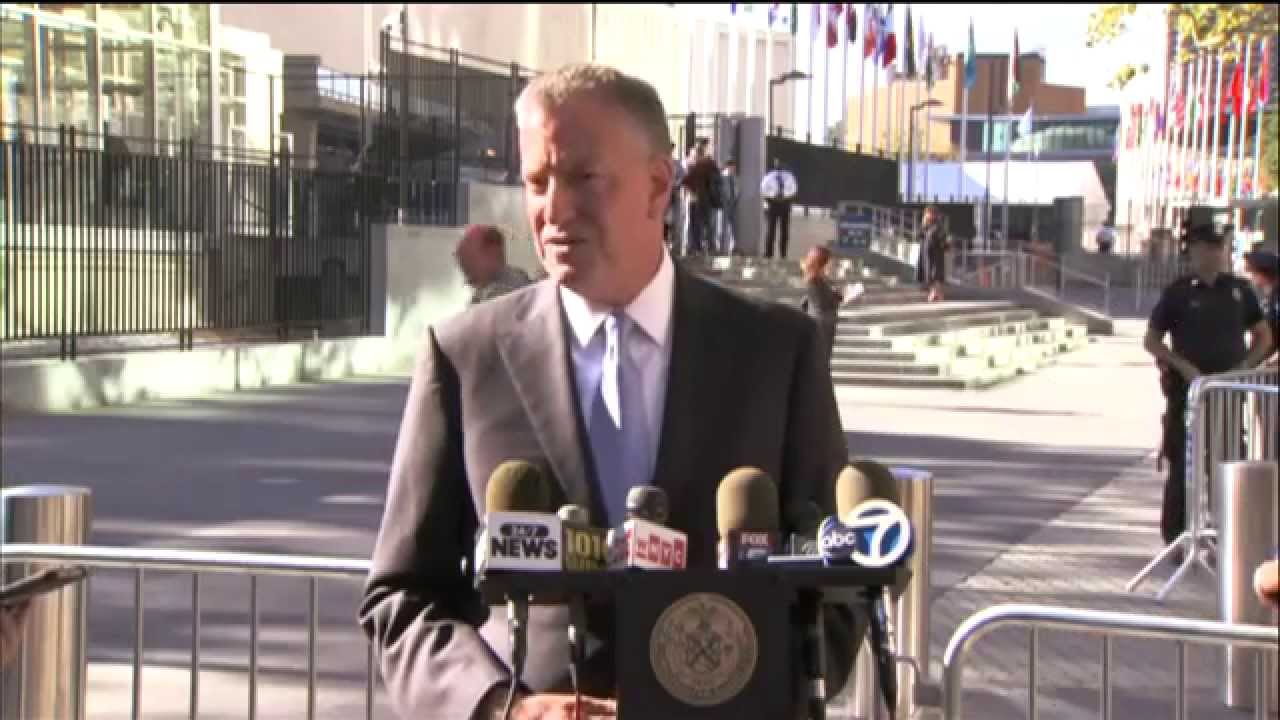
With the country set to reflect on the 13th Anniversary of the terrorist attacks on the World Trade Center later this week, many of the federal bipartisan lawmakers who led the fight in Congress to pass the James Zadroga 9/11 Health and Compensation Act – U.S. Senator Kirsten Gillibrand, Rep. Carolyn Maloney, Rep. Jerrold Nadler, Rep. Peter King – gathered together at Ground Zero today along with Mayor Bill de Blasio, 9/11 first responders, community survivors and union leaders to begin their push to reauthorize the critically needed programs originally passed in December 2010. The Zadroga bill’s two critical programs providing medical treatment and compensation for 9/11 heroes – the World Trade Center Health Program and the September 11th Victim Compensation Fund – are set to expire in October 2015 and October 2016 respectively. To continue these programs for 25 more years, through 2041, Senators Gillibrand and Schumer will introduce the James Zadroga 9/11 Health and Compensation Reauthorization Act later this month in the Senate, and Representatives Maloney, Nadler and King will do so in the House.
Nearly 13 years after September 11th, 9/11 responders and survivors are battling serious health crises resulting from exposure to the toxins at Ground Zero. More than 30,000 9/11 responders and survivors have an illness or injury caused by the attacks or their aftermath, and over two-thirds of those have more than one illness. Many are disabled and can no longer work. They are suffering from a host of chronic diseases: asthma, obstructive pulmonary disease and gastroesophageal reflux disease, and many more.
Medical research has identified more than 60 types of cancer caused by 9/11 toxins. More than 2,900 people have been diagnosed with cancers caused or made worse by the aftermath of the attacks - more than 800 New York Fire Department members and more than 550 New York Police Department personnel are struggling with serious 9/11-related illnesses, not including the more than 70 firefighters and 60 NYPD officers who have died from their 9/11-related illnesses.
Responders came from all over the country to aid in the response to the attacks. And some area residents, workers and survivors have since moved and are currently receiving care in cities and states across the country. Participants enrolled in the World Trade Center Health Program for treatment currently reside in all 50 states and in 431 of the 435 Congressional districts in the country.
The James Zadroga 9/11 Health and Compensation Act passed by Congress in 2010 helped ensure proper monitoring and treatment for thousands of men, women and children that face potential life-threatening health effects due to the toxins released at Ground Zero in the aftermath of the 9/11 attacks.
Currently, over 30,000 responders and survivors across the nation are sick and receiving critical treatment and medical care through the World Trade Center (WTC) Health Program. Over 60,000 9/11 responders are receiving medical monitoring. The program treats responders and survivors for many chronic diseases and respiratory illnesses, including asthma, obstructive pulmonary disease, and gastroesophageal reflux disease.
The WTC Health Program continues to be a critical lifeline for many, particularly when the number of 9/11-related cancer cases among rescue workers and responders has increased over the past decade and continues to grow. So far, more than 2,900 responders and survivors have been diagnosed with 9/11-related cancers, according to data from the Centers for Disease Control and Prevention. Since 2012, the National Institute for Occupational Safety and Health has added over 60 types of cancers to the list of 9/11-related illnesses covered by the WTC Health Program. Studies show that 9/11 workers have gotten certain cancers – including prostate, thyroid, leukemia, and multiple myeloma – at a significantly higher rate than the general population.
7 World Trade Center Outdoor Plaza
Lower Manhattan
Monday, September 8th, 2014
Sentinel Indexing in Progress
Metadata and chapters are available. Claim extraction for this episode is pending.
All video content is delivered via YouTube embedded players in accordance with the YouTube Terms of Service. Sentinel provides research tools that promote discovery and accountability across political media.