Politicon
@politicon·481K subscribers·4K videos
Trump's Oath Keepers: Convictions Just Vanished | #SistersInLaw
Posted
August 10, 2026
Views
3,746
Likes
346
Comments
29
Engagement
10.01%
August 10, 2026
3,746
346
29
10.01%
Every word spoken in this episode is indexed. Type any phrase to jump straight to the moment it was said.
Type any word or phrase that may have been spoken. Click a result to seek the player to that exact moment.
Try a name, a topic, or a quoted line
 13:39Now Playing
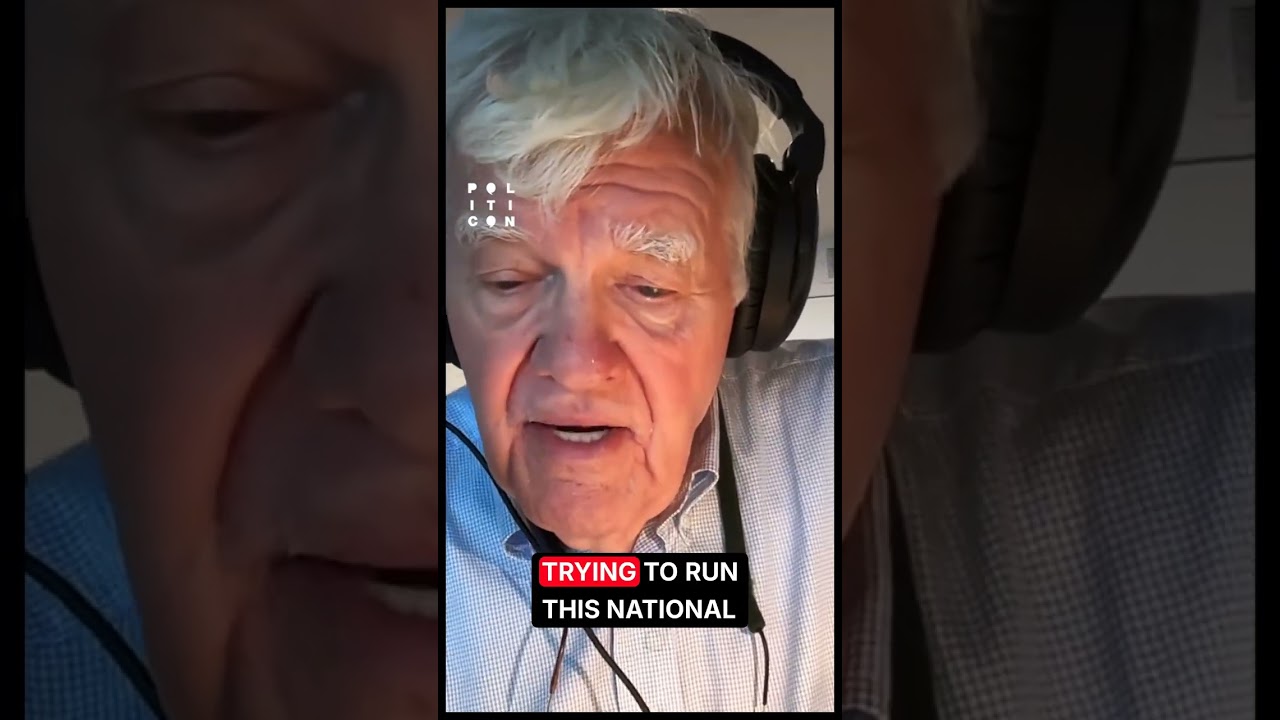
Barb McQuade, Joyce Vance, and Jill dig into the quiet, radical final chapter of the January 6th prosecutions: the Justice Department's motion to vacate the seditious conspiracy convictions of the Oath Keepers and Proud Boys — the one group Trump didn't dare pardon outright on day one. Stuart Rhodes, the Yale-educated lawyer who led the Oath Keepers and armed a "Quick Reaction Force" to be ready for violence, was serving an 18-year sentence when Trump commuted it — he was free the next day. Now DOJ wants his conviction gone entirely, dismissed with prejudice, as if it never happened. The Sisters break down the legal difference between a pardon, a commutation, and a motion to vacate (spoiler: vacating is the better deal), why Judge Mehta — the same judge who presided over the trial — tore apart DOJ's justification in a blistering opinion, and the closing line of that opinion that's likely to outlive this administration: "This is the last of the prosecutions seeking to hold accountable those responsible for the events of January 6th. That book is now closed."
TOPICS:
Why the Oath Keepers and Proud Boys were the one group Trump didn't pardon outright on January 20, 2025
The legal difference between a pardon, a commutation, and a motion to vacate — and why vacating is actually the better deal
DOJ's April motion to vacate the seditious conspiracy convictions and dismiss with prejudice
Why "dismiss with prejudice" matters: it means the charges can never be brought again
Stuart Rhodes: the Yale-educated lawyer who led the Oath Keepers and armed a "Quick Reaction Force" for violence
His 18-year sentence, commuted the day after inauguration
The strength of the trial evidence: intercepted communications and "let's go get them" text messages
Judge Mehta's scathing rejection of DOJ's dismissal motion — no legal insufficiency, no misconduct, no wrongful conviction
Why the judge couldn't block the dismissal outright, but wrote an opinion designed to become the story instead
The historic closing line: "This is the last of the prosecutions... That book is now closed"
Judge Mehta's warning that the ruling "excuses criminal acts" that made "a centuries-long pillar of our democracy... buckle"
A darkly funny Instagram stat: more pardoned J6ers have been re-arrested than fraudulent ballots cast in 20 years of U.S. elections
TIMESTAMPS:
Sentinel Indexing in Progress
Metadata and chapters are available. Claim extraction for this episode is pending.
All video content is delivered via YouTube embedded players in accordance with the YouTube Terms of Service. Sentinel provides research tools that promote discovery and accountability across political media.