Predictive History
@predictivehistory·2.7M subscribers·186 videos
Civilization #31: The Oceanic Currents of History
Posted
February 18, 2025
Views
96,349
Likes
2,494
Comments
294
Engagement
February 18, 2025
96,349
2,494
294
2.89%
Every word spoken in this episode is indexed. Type any phrase to jump straight to the moment it was said.
Type any word or phrase that may have been spoken. Click a result to seek the player to that exact moment.
Try a name, a topic, or a quoted line
 1:10:13Now Playing
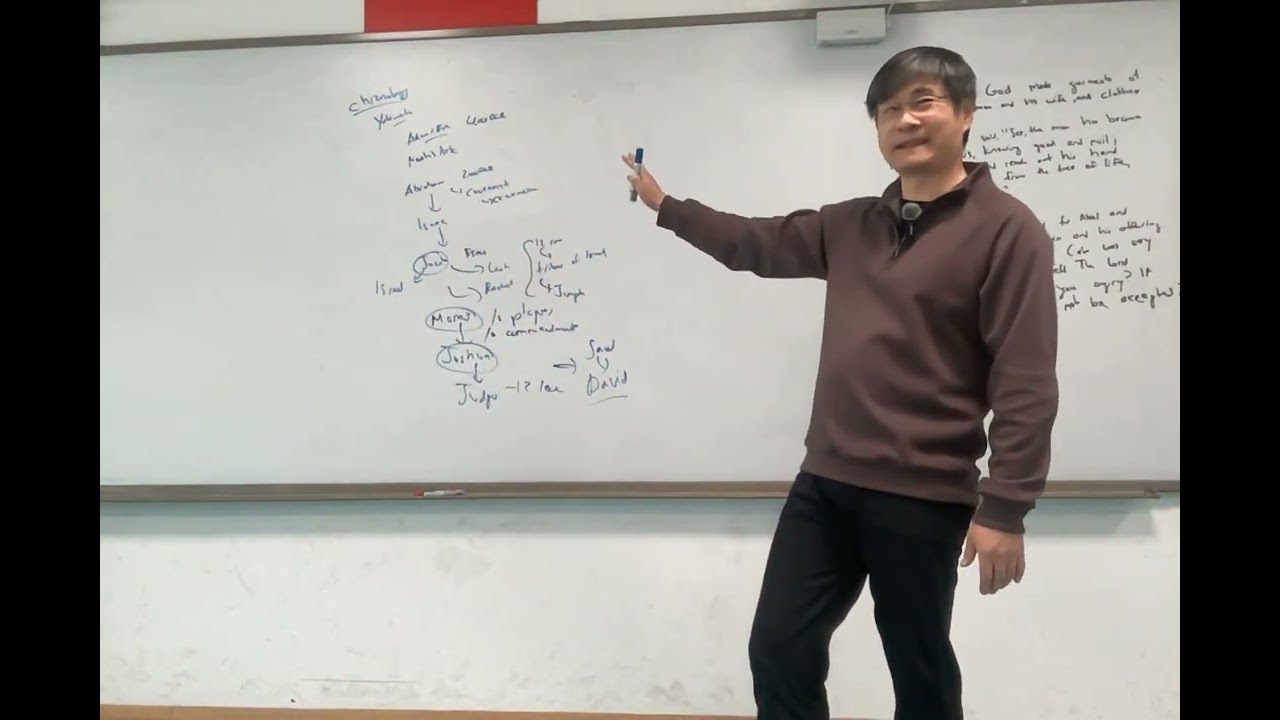
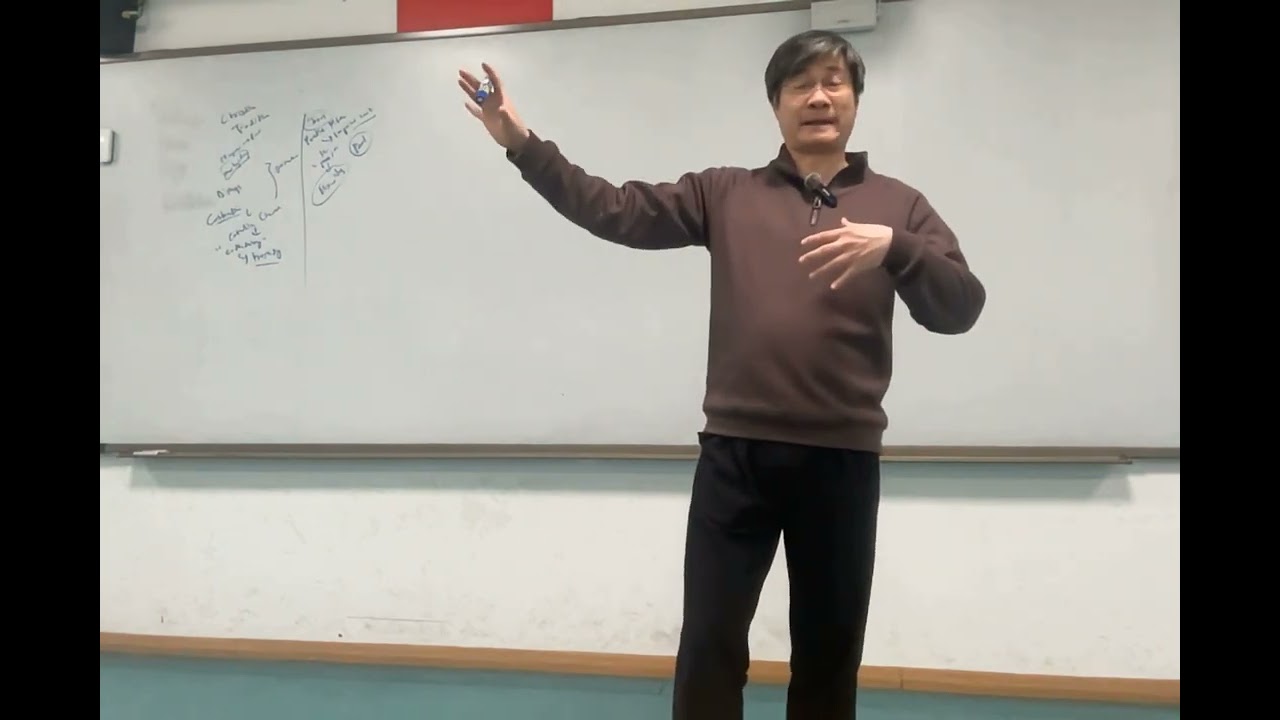
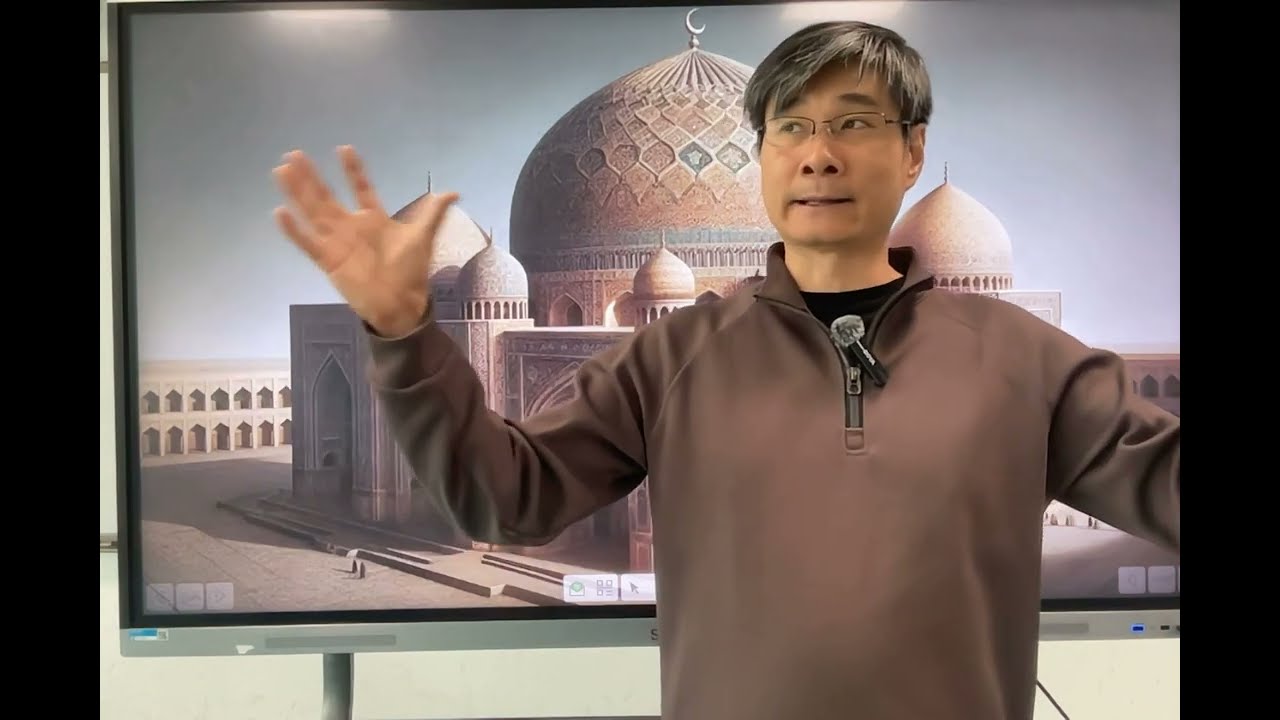
Traditionally, we have understood historical movement as either a line or a circle. We are either progressing towards the truth, or trapped in an endless loop. In this talk to his Chinese high school students, Jiang Xueqin proposes a new theory, which he calls "the oceanic currents of history."
When we examine the fall and decline of global empires, a pattern emerges. As the empire expands, it draws once isolated regions into its orbit. The empire allows these regions to become more prosperous and sophisticated through trade and conflict. Prosperity increases the population in these borderlands, which forces them to expand and come into direct conflict with the empire. Sometimes, these people of the borderlands will overwhelm the empire, and become a new empire.
Sentinel Indexing in Progress
Metadata and chapters are available. Claim extraction for this episode is pending.
All video content is delivered via YouTube embedded players in accordance with the YouTube Terms of Service. Sentinel provides research tools that promote discovery and accountability across political media.