Preet Bharara
@cafedotcom·53.5K subscribers·423 videos
Cost of Lethal Drone Strikes? Tens of Thousands of Uncounted Civilian Lives, ft Priyanka Motaparthy.
Posted
January 20, 2022
Views
214
Likes
7
Engagement
3.27%
January 20, 2022
214
7
3.27%
Every word spoken in this episode is indexed. Type any phrase to jump straight to the moment it was said.
Type any word or phrase that may have been spoken. Click a result to seek the player to that exact moment.
Try a name, a topic, or a quoted line
 45:57Now Playing
How big of an expected military advantage justifies the risk of collateral damage measured in human life and limb? This is a question the U.S. government often wrestles with when it green lights a lethal airstrike meant to take out terrorist suspects in the Middle East. The analysis is nuanced, complex, and imperfect. It is rendered much more difficult when the civilian death toll is regularly miscalculated across such counterterrorism operations. A series of recently published reports in the New York Times reveal that the military significantly undercounts civilian deaths that result from U.S. airstrikes, often due to “patterns of failed intelligence, decision-making and execution.” In bombshell reporting on hidden Pentagon records, the Times’s Azmat Khan writes, “There is no way to determine that full toll, but one thing is certain: It is far higher than the Pentagon has acknowledged.”
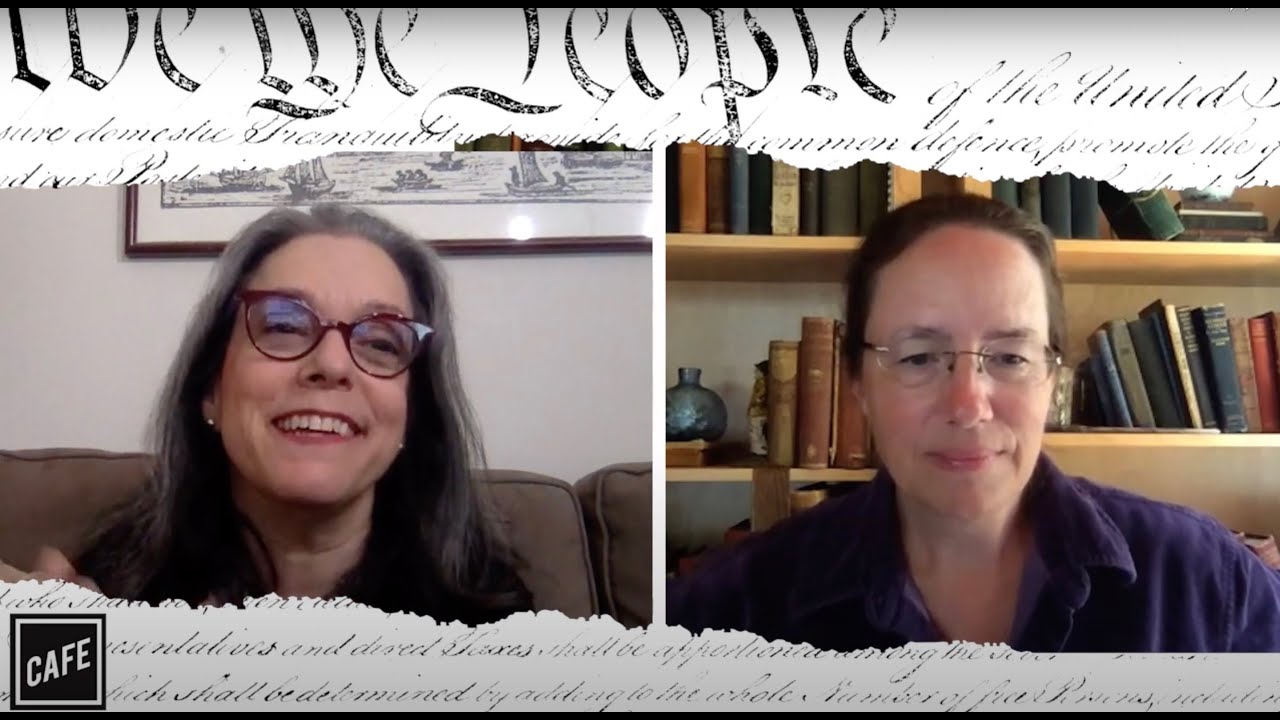
To help provide context to the latest revelations and to explain the laws and policies that underpin the use of lethal drone strikes, CAFE Executive Producer Producer speaks with Priyanka Motaparthy, Director of the Project on Counterterrorism, Armed Conflict, and Human Rights at Columbia University’s Human Rights Institute.
To get new editions of Office Hours in your inbox, sign up at www.cafe.com/brief
Catch up on previous editions of Office Hourse: www.cafe.com/office-hours
Sentinel Indexing in Progress
Metadata and chapters are available. Claim extraction for this episode is pending.
All video content is delivered via YouTube embedded players in accordance with the YouTube Terms of Service. Sentinel provides research tools that promote discovery and accountability across political media.