Prof Sam Vaknin
@samvaknin·443K subscribers·2.3K videos
Narcissist: Self-love or Self-hatred?
Posted
March 8, 2014
Views
14,318
Likes
221
Comments
22
Engagement
1.70%
March 8, 2014
14,318
221
22
1.70%
Every word spoken in this episode is indexed. Type any phrase to jump straight to the moment it was said.
Type any word or phrase that may have been spoken. Click a result to seek the player to that exact moment.
Try a name, a topic, or a quoted line
 7:26Now Playing
Everything You Need to Know about Narcissists, Psychopaths, and Abuse click on this link
Narcissists love to be hated and hate to be loved.
Hate is the complement of fear and narcissists like being feared. It imbues them with an intoxicating sensation of omnipotence. They are veritably inebriated by the looks of horror or repulsion on people's faces. People know that the narcissist is capable of anything. Godlike, he is ruthless and devoid of scruples, capricious and unfathomable, emotion-less and asexual, omniscient, omnipotent and omni-present, a plague, a devastation, an inescapable verdict. He nurtures his ill-repute, stoking it and fanning the flames of gossip. It is an enduring asset.
Hate and fear are sure generators of attention. It is all about Narcissistic Supply, of course - the drug which narcissists consume and which consumes them in return. So, the narcissistic public intellectual attacks sadistically authority figures, institutions, his hosts and makes sure that they know about his eruptions.
He purveys only the truth and nothing but the truth - but he tells it bluntly, in an orgy of evocative baroque language.
The blind rage that this induces in the targets of his vitriolic diatribes provokes in him a surge of satisfaction and inner tranquillity not obtainable by any other means. He likes to think about their pain, of course - but that is the lesser part of the equation.
It is his horrid future and inescapable punishment that carries the irresistible appeal. Like some strain of alien virus, it infects his better judgement and he succumbs.
In general, his weapon is the truth and human propensity to avoid it. In tactless breaching of every etiquette, he chastises and berates and snubs and offers vitriolic opprobrium. A self-proclaimed Jeremiah, he hectors and harangues from his many self-made pulpits. He understands the Biblical prophets. he understand Torquemada.
He basks in the incomparable pleasure of being RIGHT. He derive his grandiose superiority from the contrast between his righteousness and the fallible humanness of others.
But it is not that simple. It never is with narcissists. Fostering public revolt and the inevitable ensuing social sanctions fulfils two other psychodynamic goals.
The first one I alluded to. It is the burning desire - nay, NEED - to be punished.
In the grotesque mind of the narcissist, his punishment is equally his vindication.
By being permanently on trial, the narcissist claims the high moral ground and the position of the martyr: misunderstood, discriminated against, unjustly roughed, outcast by his very towering genius or other outstanding qualities. To conform to the cultural stereotype of the "tormented artist" - the narcissist provokes his own suffering. He is thus validated.
His grandiose fantasies acquire a modicum of substance. "If I were not so special - they wouldn't have persecuted me so."
The persecution of the narcissist IS his uniqueness. He must be different, for better or for worse. The streak of paranoia embedded in him, makes the outcome inevitable. He is in constant conflict with lesser beings: his spouse, his shrink, his boss, his colleagues. Forced to stoop to their intellectual level, the narcissist feels like Gulliver: a giant strapped by Lilliputians. His life is a constant struggle against the self-contented mediocrity of his surroundings. This is his fate which he accepts, though never stoically. It is a calling, a mission and a recurrence in his stormy life.
Deeper still, the narcissist has an image of himself as a worthless, bad and dysfunctional extension of others. In constant need of Narcissistic Supply, he feels humiliated. The contrast between his cosmic fantasies and the reality of his dependence, neediness and, often, failure (the "Grandiosity Gap") is an emotionally harrowing experience. It is a constant background noise of devilish, demeaning laughter. The voices say: "You are a fraud", "You are a zero", "You deserve nothing", "If only they knew how worthless you are".
The narcissist attempts to silence these tormenting inner voices not by fighting them but by agreeing with them. Unconsciously - sometimes consciously - he says to them: "I do agree with you. I am bad and worthless and deserving of the most severe punishment for my rotten character, bad habits, addiction and the constant fraud that is my life. I will go out and seek my doom. Now that I have complied - will you leave me be? Will you leave me alone"?
Of course, they never do.
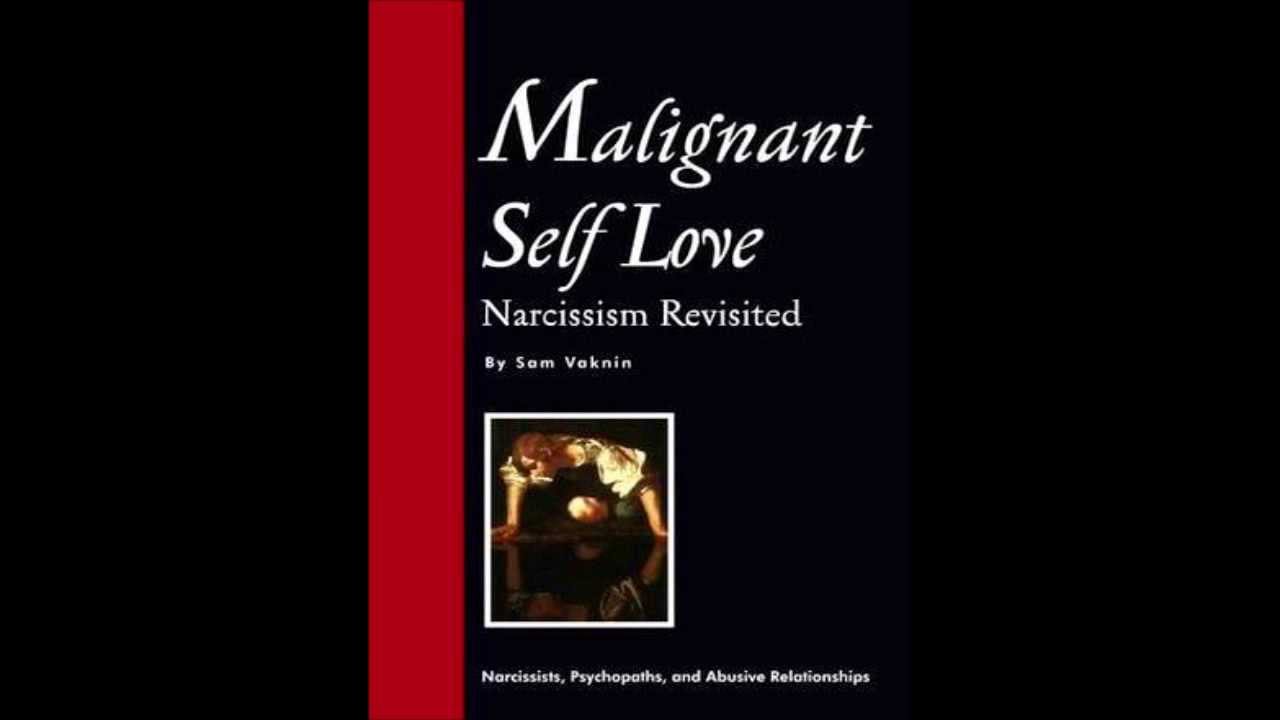
(From the book "Malignant SelfloveNarcissism Revisited" by Sam Vaknin Click on this link to purchase the print book, or 16 ebooks, or 3 DVDs with 16 hours of video lectures on narcissists, psychopaths, and abuse in relationships)
Sentinel Indexing in Progress
Metadata and chapters are available. Claim extraction for this episode is pending.
All video content is delivered via YouTube embedded players in accordance with the YouTube Terms of Service. Sentinel provides research tools that promote discovery and accountability across political media.