Prof Sam Vaknin
@samvaknin·443K subscribers·2.3K videos
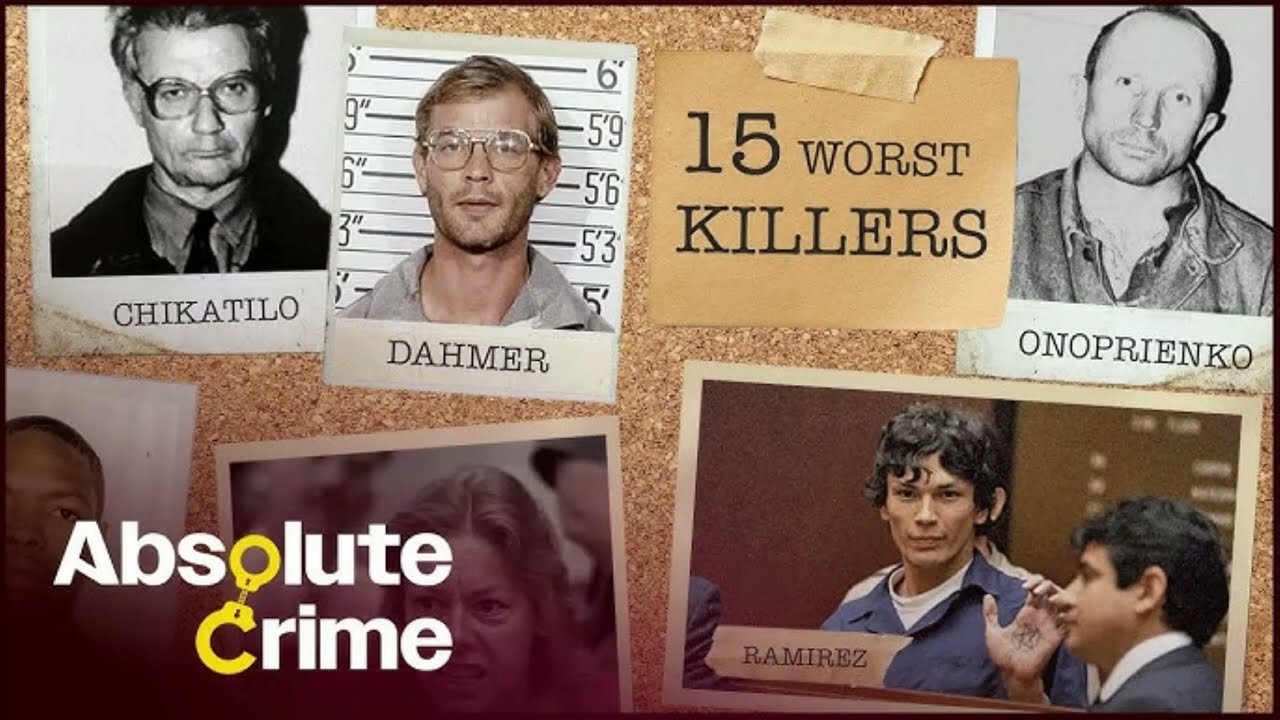
Crime is a MAN's Job: Enter the Criminal’s Mind (Criminology Intro in CIAPS, Cambridge, UK)
Posted
April 24, 2025
Views
8,097
Likes
367
Comments
17
Engagement
April 24, 2025
8,097
367
17
4.74%
Every word spoken in this episode is indexed. Type any phrase to jump straight to the moment it was said.
Type any word or phrase that may have been spoken. Click a result to seek the player to that exact moment.
Try a name, a topic, or a quoted line
 1:28:31Now Playing
Crime: reactive (TV series “Adolescence”) vs. voluntary vs. conforming (Nazis, terrorists)
Crime: opportunistic (students cheat in studies, Ariely), conformity, misappraisal of risk and reward, impulsivity, entitlement (shortcuts), ego-syntony, alloplastic defenses, habituation, skills, pride (professional)
Who is to blame: criminal or society?
Non-representative sample (law enforcement, courts)
Street vs. Suite crime
Street crime: crime is normal, though not normative (20-40% of males and 10-15% of females are caught committing crimes; self-reporting is double that).
Age-crime curve
Men commit more crime than women (except for fraud)
Poor commit more crimes than well-off
Blacks commit more crimes than whites, generally speaking (but at the same rate in identical socioeconomic brackets)
White-collar criminals: older, white, men (women were denied the opportunity until relatively recently), well-off.
Psychology of the Criminal
Oppositional reactance (both in- and out-group): defiance, contumaciousness, externalized aggression
Peer influence
Antisocial behavior is lifelong (conduct disorder to psychopathy)
Repeat (persistent, chronic, career) offender: low IQ, hyperactivity, impulsiveness, risk-taking, poor parenting (abuse, neglect), ACEs
Crime as normative conformity, is contextual (in prison, for example, or among criminalized siblings and peers)
Terrie Moffitt: adolescent-limited vs. life-course persistent. Escalating and opportunistic and then abates.
Biosocial Approach
Criminality is inherited
Poor prenatal care (e.g., nutrition, substance abuse)
Abuse
Brain abnormalities: poor prefrontal and amygdala lead to affective dysregulation and impulsiveness (no self-control)
Greater risk taking
Poor judgment
Poor problem solving
Criminality is a predisposition, not a predestination
Adrian Raine (neurocriminologist): social-push (some criminals biological, others environmental)
Desistance or Recidivism
Ceasing to offend due to aging, maturation (prison: “I am never going back”), burnout, disenchantment (growing out of crime)
But …
Desistance is across the lifespan!
Developmental View
Factors in different stages of life link to variations in patterns of informal social control and social bonds (commitment to socially approved goals)
Social goals create obligations and restraints (inhibit); increase the costs and implications of crime. Social capital inhibits crime.
But this fails to account for white-collar crime and for crime in anomic societies.
You are welcome to my FREE seminar: “Scientific Healing and Recovery from Narcissistic Abuse: Evidence-based Practices (clinical and self-help)”.
Click on this link for details:
See you there!
Sam Vaknin
Find and Buy MOST of my BOOKS and eBOOKS in my Amazon Author Page
Sentinel Indexing in Progress
Metadata and chapters are available. Claim extraction for this episode is pending.
All video content is delivered via YouTube embedded players in accordance with the YouTube Terms of Service. Sentinel provides research tools that promote discovery and accountability across political media.