ReasonTV
@ReasonTV·1.4M subscribers·4.8K videos
Is Liechtenstein a Libertarian Utopia?
Posted
March 21, 2016
Views
174,617
Likes
5,973
Comments
894
Engagement
3.93%
March 21, 2016
174,617
5,973
894
3.93%
Every word spoken in this episode is indexed. Type any phrase to jump straight to the moment it was said.
Type any word or phrase that may have been spoken. Click a result to seek the player to that exact moment.
Try a name, a topic, or a quoted line
 8:20Now Playing
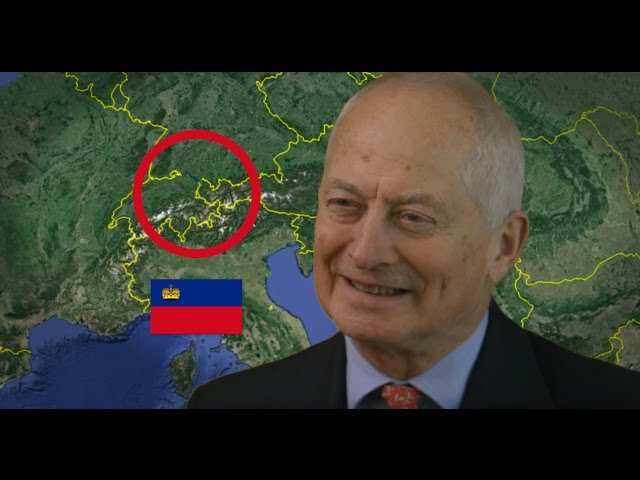
Liechtenstein isn’t just one of the world’s smallest countries, it’s one of the most prosperous.
Despite having just 37,000 citizens and covering just 61 square miles in central Europe, the microstate has a per capita income of about $100,000, a corporate flat tax of 12.5 percent, and an income tax of just 1.2 percent.
Now well-known as a banking and financial hub, the principality wasn’t always so flush. In fact, in 1967 the royal family had to sell a prized possession—Leonardo da Vinci’s first known portrait—just to keep the country afloat.
Reason's Nick Gillespie talked with the country’s leader, Prince Hans-Adams II, at the International Students for Liberty Conference in Washington, D.C. about how Liechtenstein turned itself around while becoming world famous for its banking privacy and openness to immigrants.
And he talked with Hans-Adams' about his new book, The State in the Third Millennium, which outlines the reforms he brought to Liechtenstein and argues that modern government should treat citizens as customers who have the option to live elsewhere.
About 8 minutes. Produced by Joshua Swain.
For links, downloadable versions, and more videos, go to
Sentinel Indexing in Progress
Metadata and chapters are available. Claim extraction for this episode is pending.
All video content is delivered via YouTube embedded players in accordance with the YouTube Terms of Service. Sentinel provides research tools that promote discovery and accountability across political media.